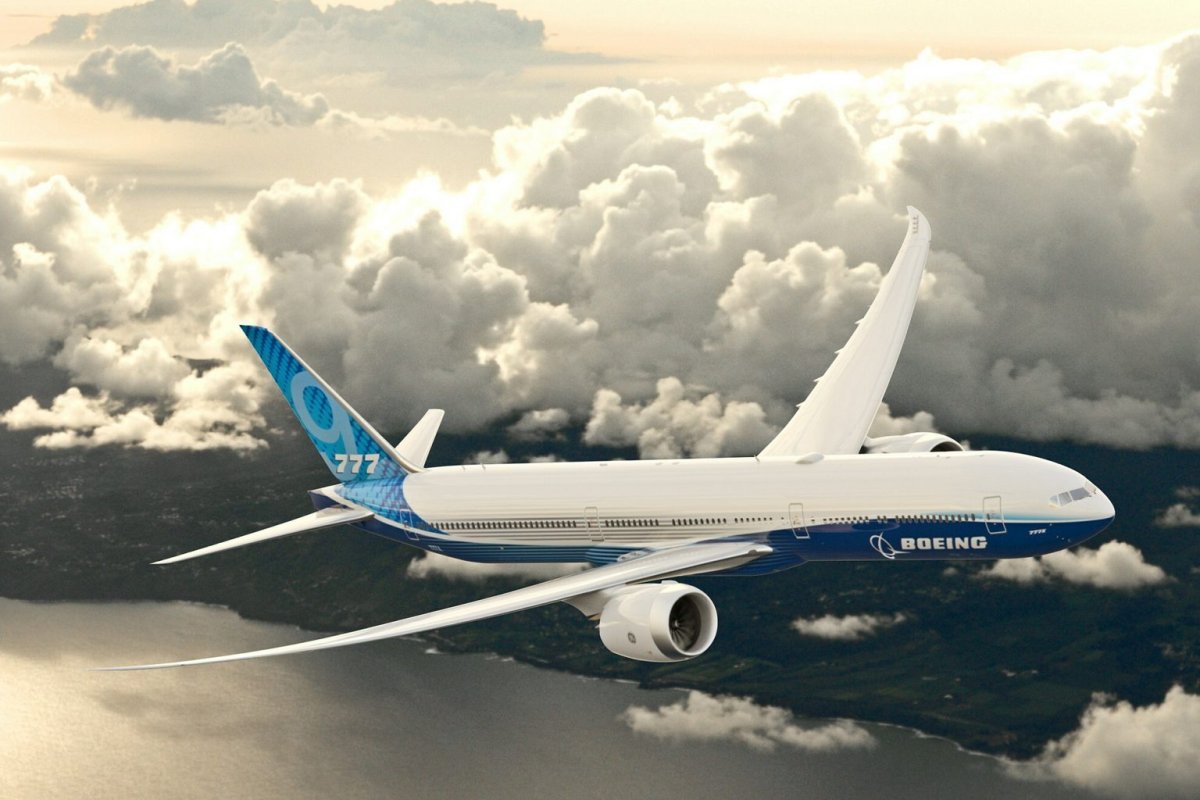
Boeing's path to certifying its 777-9 widebody jet has reached a pivotal juncture, with the company reporting that customer orders for the 777X family now exceed 620 aircraft. The test fleet has logged over 4,700 flight hours, but the program's timeline hinges on an upcoming labor negotiation that could introduce significant delays.
The contract covering 17,000 engineers and technical employees, represented by the Society of Professional Engineering Employees in Aerospace (SPEEA), is set to expire on October 6. If a new agreement is not reached, a strike could halt critical certification work on both the 777-9 and the 737 MAX 10, according to Reuters. Boeing has stated it is seeking an agreement and preparing contingency resources, while the union indicates both sides are bracing for a potential work stoppage.
For investors, the focus has shifted from airline demand for the aircraft to execution risk. The 620+ 777X orders represent roughly 10% of Boeing's total commercial backlog by unit count, underscoring the program's importance to the company's future cash flows and product mix. A delay in certification could trigger another expensive reset, further straining the aerospace giant's finances.
Boeing secured FAA approval for the Type Inspection Authorization (TIA) phase 4B in the second quarter, a key step in the certification process. The company continues to target first delivery of the 777-9 in 2027. Lufthansa's initial 777-9, outfitted with a customer cabin, completed a flight in May, demonstrating tangible progress.
The 777-9, which seats 426 passengers and has a range of 7,295 nautical miles, is promoted as the world's largest twin-engine jet. However, the program's profitability has not been disclosed, and the commercial unit continues to report losses. In the second quarter, Boeing's commercial revenue rose 8% to $11.75 billion, but the operating loss narrowed to $322 million from $557 million a year earlier.
Boeing generated $631 million in free cash flow during the quarter, a significant improvement from a $200 million outflow in the same period last year. The company's debt decreased to $45.9 billion from $47.2 billion in March, reflecting improved cash generation at the group level.
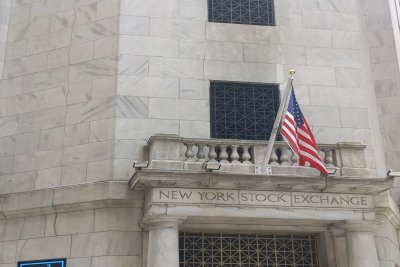
Shares of Boeing (NYSE: BA) closed Friday at $209.82, down 0.03%, with trading volume at 4.57 million shares, about 79% of the 65-day average. Over the past month, the stock has declined 10.14%, reflecting investor concerns about certification timelines and labor unrest.
Key risks to the delivery schedule include FAA findings, rework required during testing, supplier constraints, and potential work stoppages. A faster certification process would improve the outlook for product mix and cash flows, but the program's profitability remains opaque.
As the October 6 deadline approaches, all eyes will be on the negotiations between Boeing and SPEEA. The outcome will likely determine whether the 777-9 enters service on schedule or faces yet another setback in its journey to market.