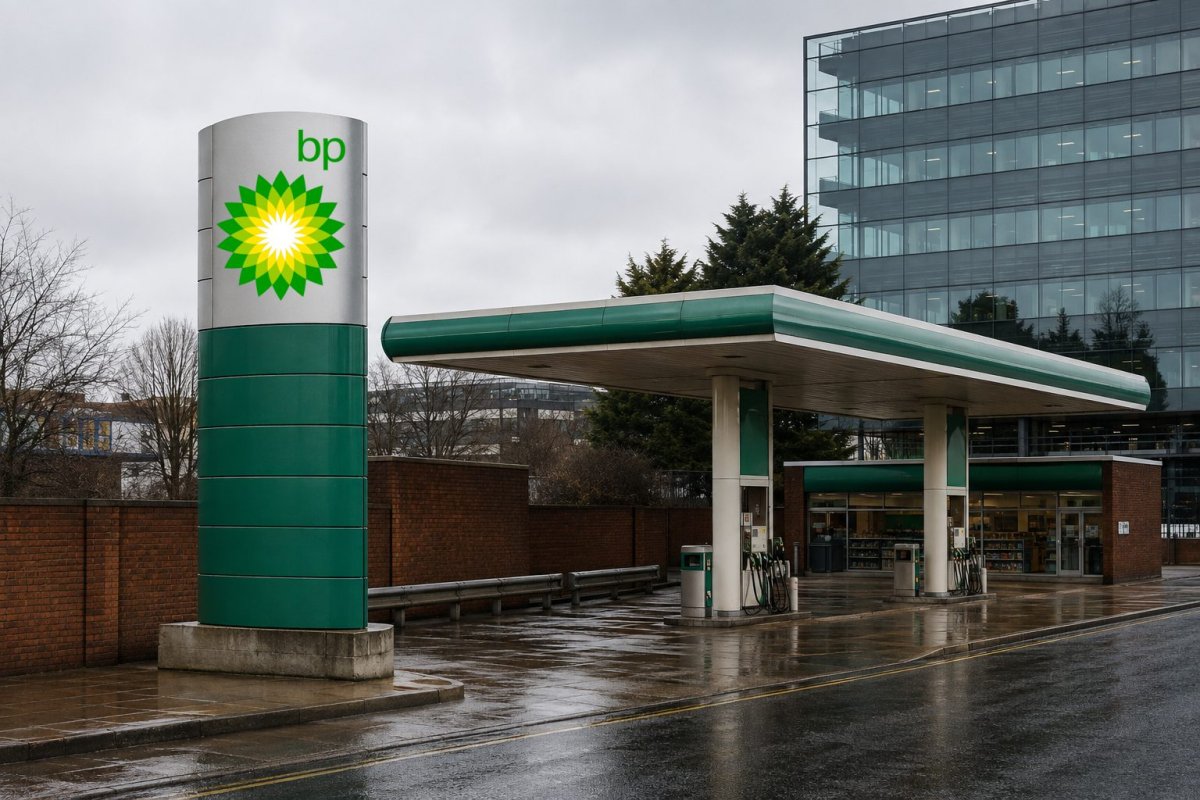
BP p.l.c. (LON:BP) closed a turbulent week with a solid 5.09% gain, buoyed by a sharp rise in Brent crude oil prices. The London-listed energy major ended Friday at 549.5 pence, down 0.49% on the session, but the weekly advance marked a notable recovery from the previous Friday's close of 522.9 pence. The rally was underpinned by a 6.39% jump in Brent, which settled at $94.39 per barrel, as renewed U.S. sanctions warnings fueled supply concerns and kept trading activity through the Strait of Hormuz significantly below normal levels.
Strong Cash Flow Supports Debt Reduction
The oil price surge provides BP with additional firepower to accelerate its debt-reduction program. In the second quarter of 2026, BP reported underlying replacement-cost profit of $5.73 billion, up 79.2% sequentially from $3.20 billion in Q1. Operating cash flow surged to $10.86 billion, a 279.7% increase from the previous quarter. Net debt fell to $22.25 billion, down 12.1% from $25.31 billion at the end of March, even after accounting for a hybrid bond redemption and Gulf-related settlement outflows. The company also raised its dividend per ordinary share by 4.1% to 8.66 cents.
Chief Executive Meg O’Neill highlighted the United States as BP’s top growth region, citing bpx energy's "competitive returns" and short-cycle developments that generate cash quickly. The unit targets onshore production of 650,000 barrels of oil equivalent per day by 2030, according to the Midland Reporter-Telegram.
Execution Risks and Valuation Concerns
Despite the positive momentum, BP's operational reliability remains a concern. Upstream plant reliability dropped to 92.4% in Q2, down from 95.7% in the first quarter, with output also impacted by scheduled maintenance and disruption in the Middle East. These issues could undermine the cash gains from higher oil prices.
Investors are also wary of the stock's valuation. BP currently trades at a trailing P/E of 21.5 times, significantly higher than Shell's 10.1 times. The elevated multiple leaves little margin for error; any operational misstep or a sharp decline in oil prices could trigger a sell-off. The London consensus target of 579 pence implies just 5.4% upside from current levels, while the low target of 520 pence sits 5.4% below the current price. The high target is 700 pence, offering 27.4% potential upside.
Market Context and Outlook
BP was the most traded stock by value on the UK market on Friday, with turnover of approximately £294 million, indicating strong institutional participation in the rally. The stock's performance outpaced other European majors, with Shell closing at 3,409.5 pence (P/E 10.10, dividend yield 3.24%), Glencore at 596.8 pence, and Rio Tinto at 7,648 pence.
Looking ahead, there are no BP results scheduled for the coming week, so share prices will likely be driven by Brent crude movements, developments in the Strait of Hormuz, and sanctions news. Investors will also compare BP's performance with Shell's, seeking signs that the sector-wide rerating remains broad-based.
Key risks include a potential easing of geopolitical tensions, which could lead to a steep drop in crude prices. Asset disposals might underperform or face delays, and poor plant reliability could reduce the cash benefits of higher prices. The reference point stands at 549.5 pence; staying above 540 pence would maintain the breakout seen last week, while advancing toward 579 pence would capture the rest of the consensus upside.