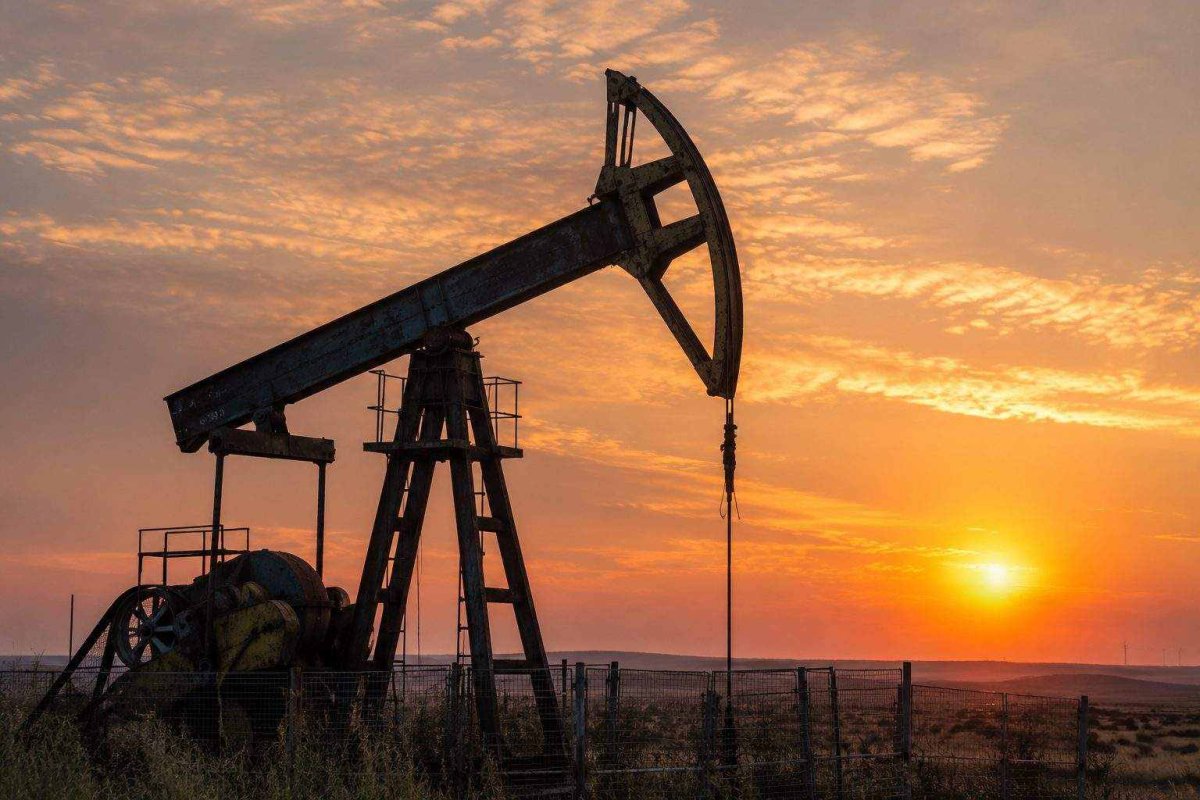
Oil markets closed out the week with crude prices hovering near the $110 mark, driven by persistent supply disruptions in the Strait of Hormuz and dwindling global stockpiles. Brent crude futures settled at $109.26 per barrel on Friday, up 3.35%, while West Texas Intermediate (WTI) crude finished at $105.42, a gain of 4.2%. Both benchmarks posted substantial weekly gains, with Brent adding 7.84% and WTI surging 10.48%.
The Strait of Hormuz—a critical chokepoint for approximately 20% of global oil and LNG shipments—remains the focal point of market anxiety. Shipping traffic through the waterway has been severely restricted, with Iran's Revolutionary Guards reporting only 30 vessels traversed the strait from Wednesday night to Thursday, far below the pre-conflict average of 140 vessels per day. While some traffic has resumed, analysts note that the uptick has done little to alleviate concerns about the real supply-demand balance.
Adding to the pressure, the International Energy Agency (IEA) reported that global oil inventories fell by 250 million barrels over March and April as flows from the Middle East remained constrained. Gulf producers have already implemented more than 1 billion barrels in total supply cuts, according to the IEA. In the United States, the Energy Information Administration (EIA) reported crude inventories dropped by 4.3 million barrels to 452.9 million for the week ended May 8, with gasoline stocks also declining by 4.1 million barrels.
Market sentiment was further rattled on Friday after U.S. President Donald Trump and Iranian Foreign Minister Abbas Araqchi delivered less conciliatory signals, dampening hopes for a swift reopening of the strait. Vandana Hari, founder of Vanda Insights, noted that the market is refocusing on the deadlock and the "tail risk of renewed military escalation." Phil Flynn of Price Futures Group added that the "margin for error is shrinking rapidly."
The impact of higher crude prices rippled through refined product markets. RBOB gasoline, the U.S. gasoline benchmark, rose 2.67% on Friday, heating oil climbed 3.78%, and gasoil jumped 5.06%, according to Bloomberg data. Natural gas also moved higher, though gains were more modest. Bob Yawger of Mizuho suggested that U.S. producers may be starting to capitalize on elevated prices, while UBS analyst Giovanni Staunovo highlighted that gasoline inventories are entering driving season from a low base.
On Saturday, Iraq provided a new supply data point. Oil Minister Basim Mohammed revealed that Iraq moved only 10 million barrels through the Strait of Hormuz in April, down from approximately 93 million barrels per month before the war, citing tanker insurance issues. He added that Iraq is currently sending 200,000 barrels per day via Turkey's Ceyhan port and aims to increase that to 500,000 barrels per day.
Looking ahead, traders will closely monitor shipping data, U.S.-Iran diplomatic developments, and the next U.S. inventory report due on May 20. The EIA currently forecasts Brent prices averaging around $106 per barrel for May and June, with a potential decline toward $89 by the fourth quarter if Middle East output recovers. However, the agency warns that if the strait remains closed into June, prices could run $20 per barrel higher than current forecasts. Capital Economics has even outlined a scenario where Brent could top $150 and remain elevated through 2027.
Crude prices are now moving in tandem with diplomatic headlines as much as supply fundamentals. With the market closed over the weekend, Friday's settlement serves as the reference point, and traders are bracing for potential swings before trading resumes on Monday.