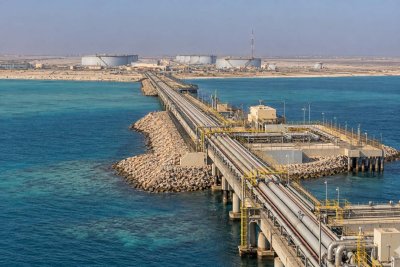
LONDON, May 22, 2026 – Oil prices climbed sharply on Friday, with Brent crude futures rising 3.2% to $105.88 a barrel, as market participants remained skeptical that ongoing negotiations between the United States and Iran would lead to a quick reopening of the Strait of Hormuz. The strategic waterway, through which roughly one-fifth of the world’s oil and liquefied natural gas once flowed, has seen traffic dwindle to a fraction of pre-conflict levels, keeping a firm floor under crude prices despite both benchmarks heading for a weekly decline.
Hormuz Remains the Market's Pressure Point
According to PVM Oil Associates analyst Tamas Varga, the market is being driven by headline risk, with optimism over a potential truce preventing Brent from breaking much above $110. IG market analyst Tony Sycamore expressed skepticism, stating he was “not really that convinced” the sides were closer to a resolution. The core issue remains the strait itself: U.S. Secretary of State Marco Rubio indicated that a diplomatic deal would be unfeasible if Iran proceeds with a proposed tolling system to charge or permit ships passing through Hormuz, though he noted some progress in talks.
Nuclear Stance Hardens Tehran's Position
Compounding the standoff, Iranian sources reported that Supreme Leader Ayatollah Mojtaba Khamenei has ordered that Iran’s highly enriched uranium—processed to a concentration closer to weapons-grade material—not be sent abroad. This hardens Tehran’s stance against a core U.S. demand, further dimming hopes for a quick breakthrough. “Markets are still searching for signs of progress in a potential deal between the US and Iran,” wrote ING commodities strategists Warren Patterson and Ewa Manthey. “While there are signs of optimism, uncertainty reigns.”
Supply Deficit and IEA Warning
Banks are pricing in a prolonged supply squeeze. Barclays maintained its 2026 average Brent forecast at $100 a barrel, citing inventory trends pointing to a 6 million to 8 million barrels-per-day deficit. U.S. inventories are near their lowest since 2020, and even an immediate Hormuz reopening would still leave the market short. The International Energy Agency (IEA) warned that the market could enter a “red zone” in July or August as summer demand meets depleted stocks and weak Middle East exports. IEA Executive Director Fatih Birol emphasized that the single most important fix is the full and unconditional reopening of Hormuz, adding that strategic reserves alone are insufficient.
Industry Caution and OPEC+ Dynamics
Industry executives remain cautious. ADNOC CEO Sultan Al Jaber said full flows through Hormuz would not return before the first or second quarter of 2027 even if the conflict ended immediately, warning that control of the waterway sets a dangerous precedent for global navigation. OPEC+ may still raise July output targets by about 188,000 barrels per day when seven core members meet on June 7, sources told Reuters. However, several producers with spare capacity, including Saudi Arabia, Iraq, and Kuwait, remain directly exposed to the Hormuz disruption, and the UAE’s exit from the group has weakened OPEC+’s market leverage.
Price Risks and Market Outlook
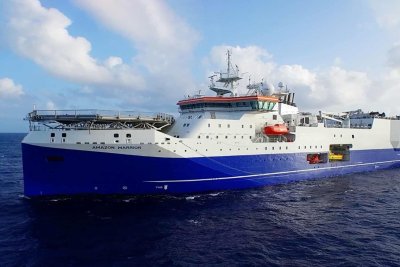
The risk cuts both ways. ING’s Patterson noted that Brent had settled more than 5.6% lower earlier as hopes grew for a U.S.-Iran deal, and that prices could move into the $90s in the second half if Hormuz flows recover to about 4 million barrels per day by the end of May. However, shipowners are likely to remain reluctant until hostilities are fully resolved. For now, the market is trading less on speeches than on ships: more tankers through Hormuz would quickly weaken the war premium—the extra price paid for supply risk—while no clear passage means crude stays hostage to the strait.