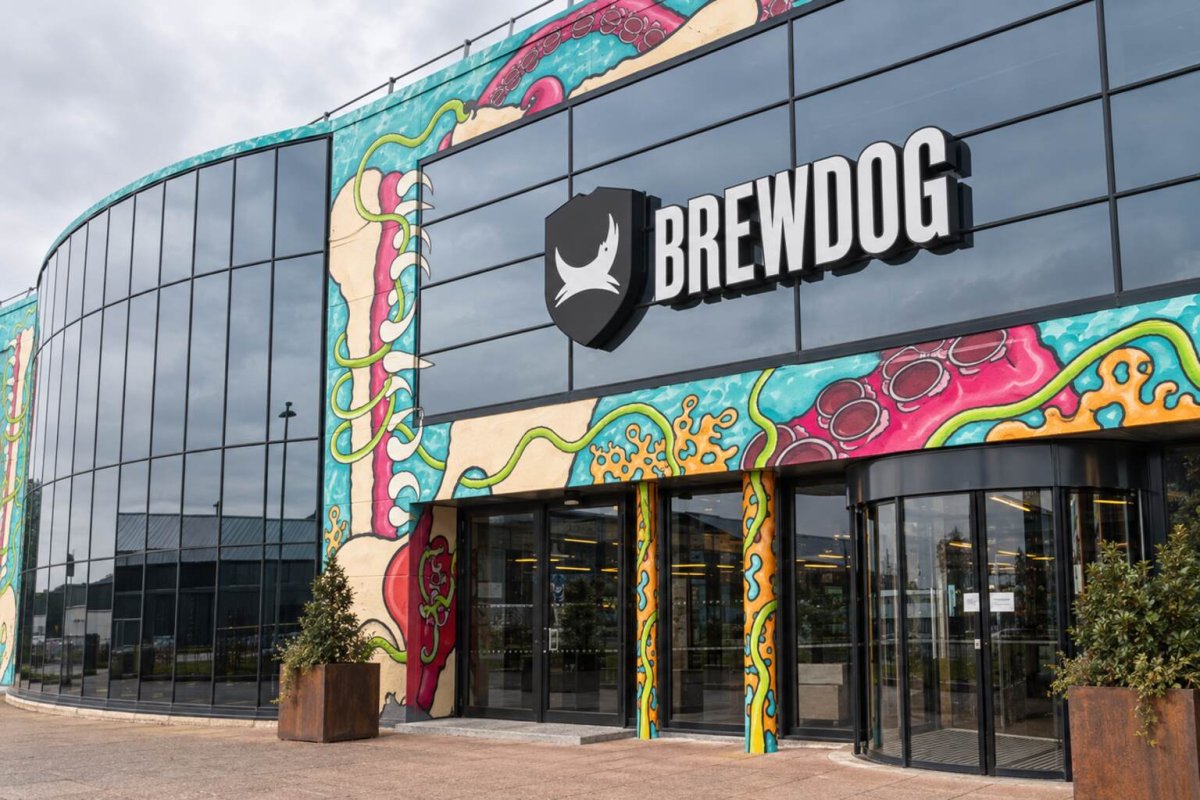
New administrator filings reveal that unsecured creditors of BrewDog plc are expected to recover less than one penny for every pound owed, while former employees and creditors of its bar business will likely receive nothing. The report, filed at Companies House on September 16, lays bare the financial wreckage left behind after Tilray Brands acquired the craft brewer's core assets for £33 million in March.
According to a review of the filing by The Grocer, unsecured claims against BrewDog plc total approximately £190 million, with projected recoveries of less than 1%. Creditors of BrewDog's bar operation are owed over £200 million and are not expected to see any distribution. These figures starkly illustrate what Tilray purchased—and what it deliberately excluded from the deal.
What Tilray Bought and Left Behind
Tilray's acquisition included BrewDog's global intellectual property, the Ellon brewery, its online retail operation, and 11 pubs in the UK and Ireland. The deal was structured as a pre-packaged asset sale, meaning substantially all liabilities incurred before closing remained with the old BrewDog group. This separation is crucial for investors: the thriving brand under Tilray's ownership does not resurrect the fortunes of old shareholders or unsecured creditors.
The creditor waterfall is unforgiving. HSBC, owed £31.2 million by BrewDog plc, is expected to recover about £14.5 million, leaving a £16.8 million shortfall. HSBC Equipment Finance faces a projected loss of roughly £523,000, while HSBC Invoice Finance is forecast to recover its £16.2 million claim in full. Private-equity investor TSG, with a £27.6 million claim, is expected to receive nothing. Former bar staff owed nearly £500,000 in wages and holiday pay are also unlikely to get a payout.
Why the Price Was So Low
Tilray's SEC-filed announcement confirms it paid approximately $44.1 million (€33 million) for the acquired operations. The company projects these assets will generate around $200 million in annual net revenue and $6 million to $8 million in adjusted EBITDA by fiscal 2027. That implies a purchase price of roughly 0.22 times projected revenue and 5.5 to 7.4 times projected adjusted EBITDA—figures that appear attractive on the surface.
However, Tilray cautioned that licensing transfers would delay revenue contribution and that cash flow would only turn positive after integration and efficiency improvements. Capital expenditures on pubs, working capital, and brand repair could push the all-in cost well beyond the initial cheque.
Market Reaction and Investor Implications
Tilray shares closed Thursday at $3.94 on Nasdaq, up one cent (0.25%), on volume about 78% of the 20-day average. No significant share-price movement followed the creditor report, suggesting the market had already priced in the deal's structure.
For bulls, the filing underscores how Tilray acquired a business with revenue equal to roughly 22% of its fiscal 2026 projection of $915 million for a modest upfront outlay. The expected $6 million to $8 million in adjusted EBITDA would represent 8% to 12% of Tilray's fiscal 2027 guidance of $68 million to $75 million.
Yet the bear case argues that a bargain purchase only works if customers, staff, and trade partners remain loyal. Near-zero recoveries for suppliers and unpaid workers create reputational friction, and Tilray must now prove that BrewDog can generate the promised cash flow without recreating the balance-sheet problems that led to administration.
The next key evidence will come with Tilray's fiscal first-quarter results, which should reveal BrewDog's revenue, margins, and integration spending. Investors will compare those figures against the $200 million revenue and $6 million-to-$8 million EBITDA targets. The creditor report makes the old losses visible; Tilray's challenge is to demonstrate that the surviving assets can earn returns without repeating past mistakes.