OpenAI and Anthropic are reportedly exploring smaller data center capacity blocks of 20 to 30 megawatts (MW) in the United Kingdom, Nordic countries, and the United States, according to a CNBC report citing sources familiar with the talks. This move comes despite their massive, gigawatt-scale commitments with major cloud providers.
The scale disparity is striking: a 30 MW data center represents just 0.6% of the 5 gigawatts (GW) Anthropic has committed to secure through Amazon. Similarly, for OpenAI, a 20-30 MW block equals only 0.2% to 0.3% of its 10 GW U.S. infrastructure goal. This gap highlights that the attraction to smaller sites is not a retreat from long-term buildouts but rather a strategic play for speed and location.
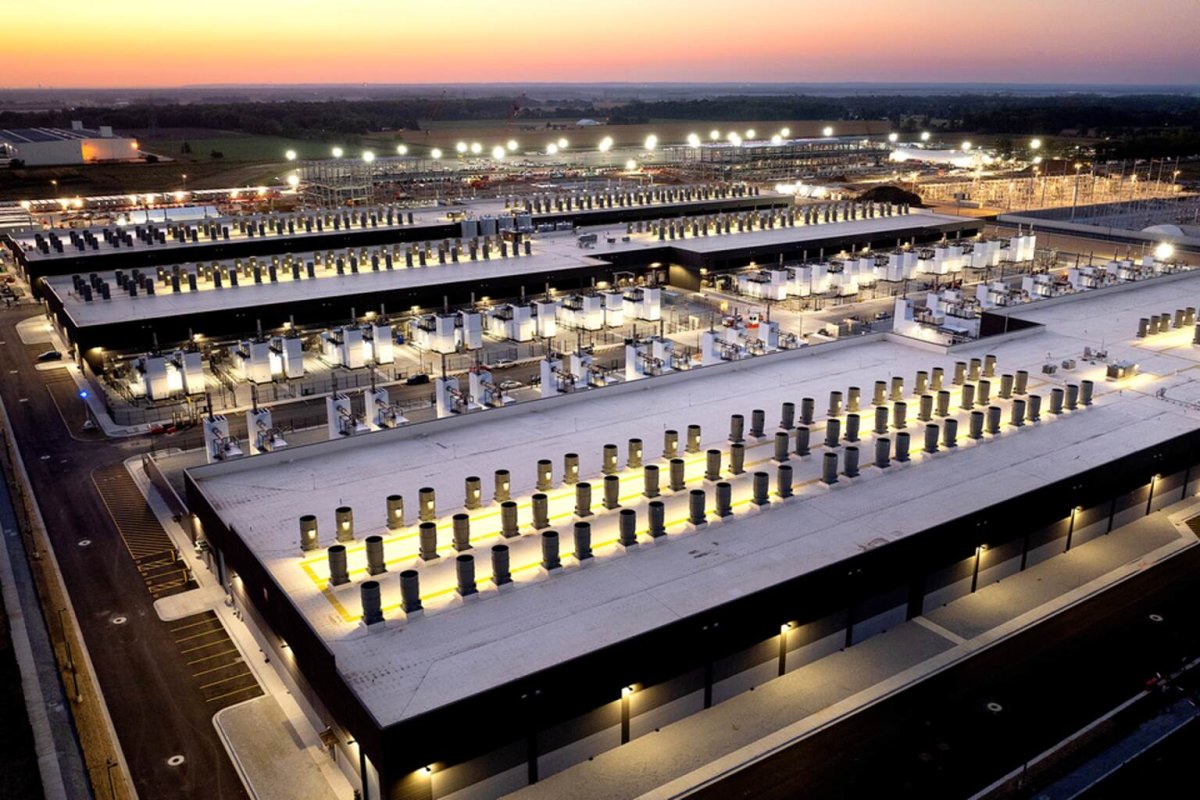
Smaller capacity blocks can be brought online much faster than multi-building campuses, which require extensive grid connections, construction, and permitting. By securing powered regional facilities, these AI labs can deploy inference workloads quickly while larger projects progress. This approach also offers benefits such as lower latency, data residency compliance, and reduced operational risk by diversifying across locations.
OpenAI's existing infrastructure strategy already spans multiple partners, including Microsoft, Oracle, Amazon, CoreWeave, and Google Cloud, with data-center partners like Oracle, SB Energy, and SoftBank. Anthropic's Claude is available across AWS, Google Cloud, and Microsoft Azure, though AWS remains its primary training and cloud provider.
The financial commitments behind these flexible strategies are substantial. Under Anthropic's April agreement with Amazon, the company committed over $100 billion over 10 years to AWS technology, expecting nearly 1 GW of Trainium capacity online by the end of 2026. Amazon invested $5 billion initially and may invest an additional $20 billion. Anthropic's run-rate revenue has exceeded $30 billion, up from about $9 billion at the end of 2025.
OpenAI is financing a similarly diversified stack. Its expanded Amazon partnership added $100 billion over eight years and approximately 2 GW of Trainium capacity, alongside its Stargate commitments. The smaller-site report underscores an availability gap within these huge contracted portfolios—headline gigawatts scheduled for future delivery do not solve every near-term deployment need.
For data-center landlords, utilities, and equipment vendors, 20-30 MW requirements widen the addressable market beyond hyperscale campuses. Existing power and shorter delivery timelines may win over sheer expansion potential. However, the report names no specific counterparty, so investors cannot assign revenue to any particular company yet.
The economic counterargument is that smaller deployments can cost more per unit of compute, complicate networking, and disperse engineering teams. They also risk leaving providers with specialized capacity if AI customers later shift workloads. For Anthropic and OpenAI, additional capacity contracts increase fixed commitments before the ultimate return on model usage is known.
The next decisive facts will be commercial: a named provider, firm megawatts, an energization date, and contract duration. Until then, these 20-30 MW talks are evidence that powered capacity remains scarce and valuable, but they are not yet a revenue award for any listed supplier.