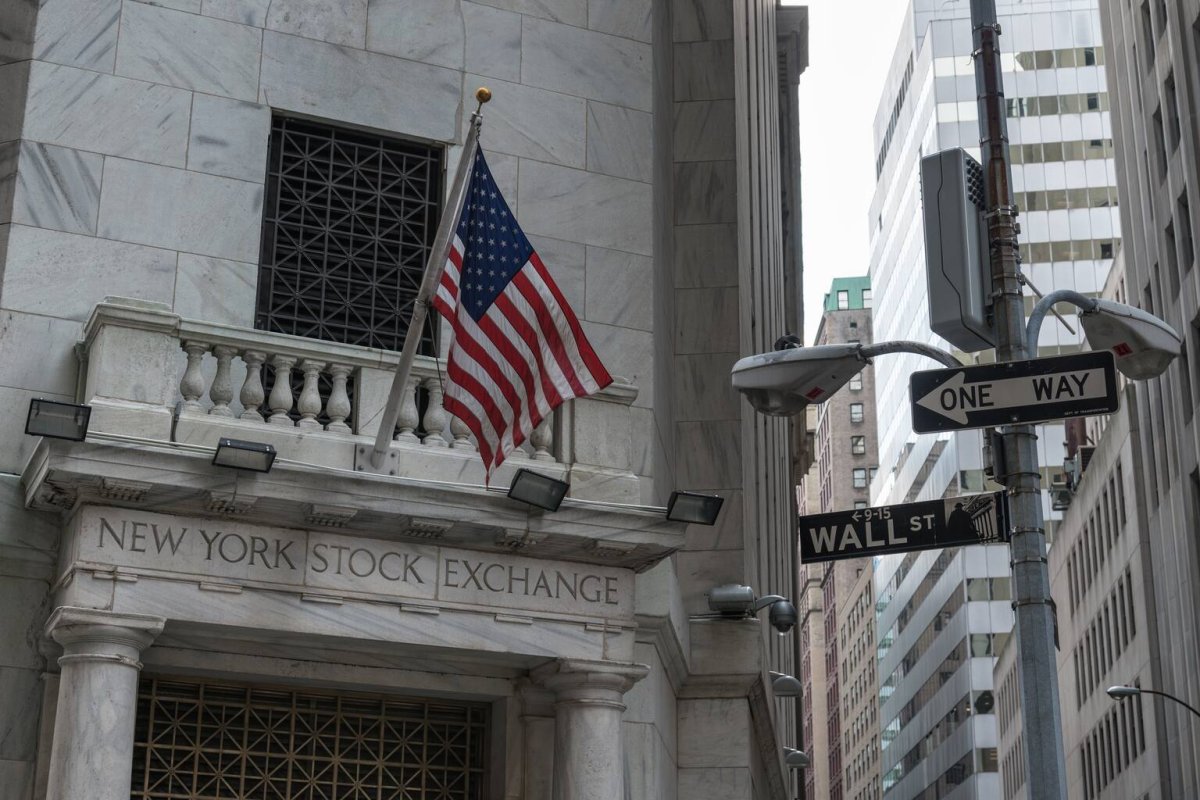
U.S. equities moved higher on Monday, snapping a three-week losing streak, as a sharp decline in crude oil prices provided a tailwind for risk appetite. The S&P 500 advanced 0.3% by 12:50 p.m. Eastern time, while the Dow Jones Industrial Average climbed 1.0% (roughly 494 points) and the Nasdaq Composite added 0.4%, according to data from the Associated Press.
The catalyst for the bounce was a 7.5% drop in Brent crude, which fell to $104.92 per barrel. The slide in oil prices offered relief to investors worried about inflationary pressures and their impact on consumer spending and corporate margins. However, the optimism was tempered by fresh manufacturing data that pointed to persistent cost pressures across a broad swath of industries.
Manufacturing Costs Remain Elevated
The Institute for Supply Management (ISM) released its October survey on Monday, showing that while the pace of price increases slowed, they remained stubbornly high. The ISM prices index fell to 75.2 from 77.9 in September, but that level is still 25.2 points above the neutral threshold of 50, indicating that raw material costs are rising at a rapid clip. Notably, 16 of the 18 manufacturing industries surveyed reported higher prices for raw materials in October, with none reporting decreases.
“In October, U.S. manufacturing activity remained in expansion territory,” said Susan Spence, chair of ISM’s manufacturing survey committee. Production accelerated during the month, with the production index rising to 59.0 from 56.7, while employment growth slowed slightly, with the employment index dipping to 52.4 from 52.7. The headline PMI improved to 55.5 from 54.5, signaling continued expansion, but the breadth of price increases underscores the ongoing challenge of input cost inflation.
Market Context and Recent Declines
The rebound on Monday follows a brutal October for technology stocks. According to a morning note from Charles Schwab, the semiconductor index tumbled 15% last month, while the Nasdaq Composite lost 5% and the S&P 500 fell 0.9%. The magnitude of the sell-off in chips was more than three times the Nasdaq’s decline and more than 16 times the S&P 500’s drop, highlighting the uneven nature of the recent correction.
Despite the recent weakness, corporate earnings have provided a counterweight. Schwab noted that 61% of S&P 500 companies have reported results so far, with 82% beating earnings-per-share estimates. Aggregate annual earnings growth for the index stands at 29.4%, according to the brokerage’s data. These figures suggest that the fundamental backdrop remains solid, even as investors grapple with higher input costs and the prospect of tighter monetary policy.
Consumer Warning Signs
However, Schwab’s head of macro research, Kevin Gordon, cautioned that the latest economic data points to a softening consumer. “Last week’s data helped confirm that the U.S. consumer entered Q4 on a weaker foot,” he said. This warning is particularly relevant given that consumer spending is a key driver of economic growth, and any slowdown could weigh on corporate revenues and profit margins.
The combination of elevated input costs and a potentially slowing consumer creates a challenging environment for businesses, especially those in manufacturing and retail. While the drop in oil prices offers some relief, the ISM survey’s breadth of price increases suggests that cost pressures are not limited to energy but are widespread across raw materials.
Risks and Outlook
Looking ahead, several risks could derail the market’s recovery. Renewed disruption to Middle East shipping could reverse the decline in oil prices, while manufacturers face uncertainty over tariff rules and the timing of when lower commodity prices will feed through to their supply contracts. The gains on Monday remain provisional ahead of the closing auction, with the New York Stock Exchange’s core session running from 9:30 a.m. to 4 p.m. Eastern. The close will determine how much of the advance holds through the afternoon.
Investors will be watching for further earnings reports and economic data this week, including the Federal Reserve’s policy meeting, which could provide clues on the path of interest rates. The market’s ability to sustain its rebound will depend on whether the recent drop in oil prices persists and whether companies can navigate the ongoing cost pressures without sacrificing profitability.