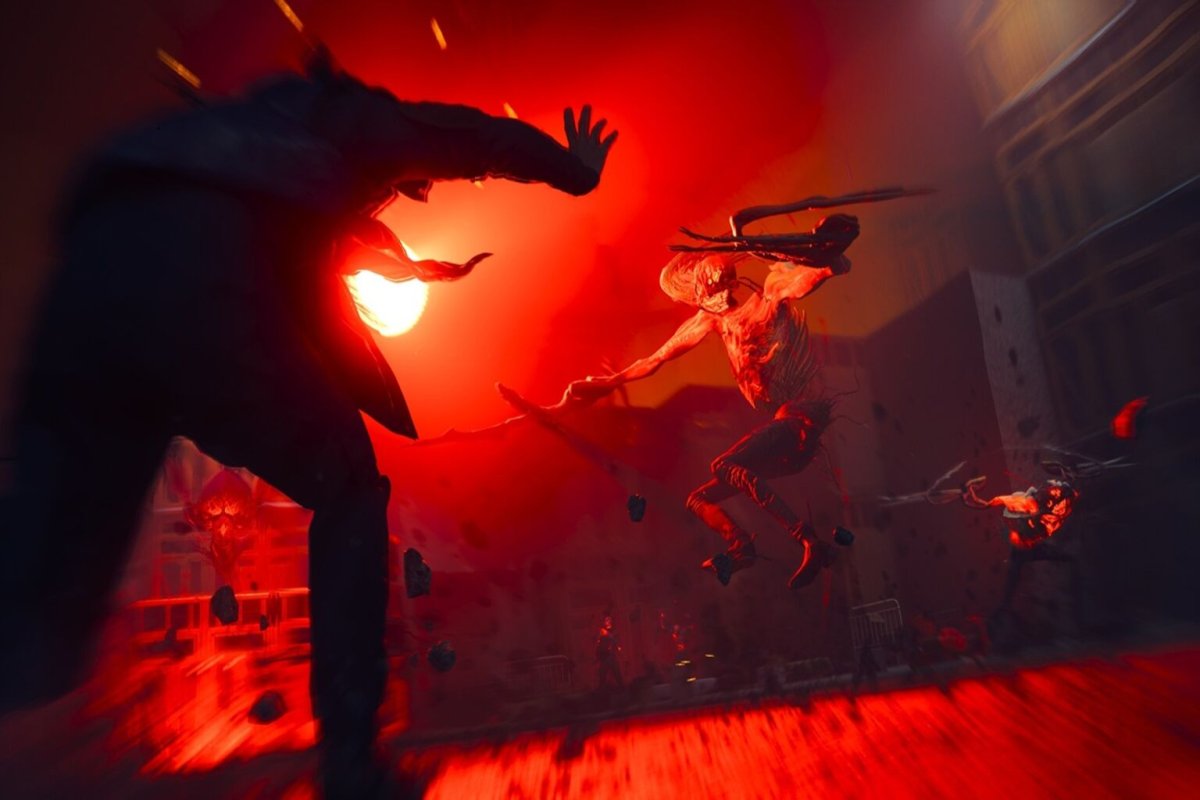
Helsinki-listed Remedy Entertainment saw its shares decline 4.7% on Friday, as the first batch of professional reviews for its upcoming title Control Resonant hit the internet. The stock traded at €18.94 by 4:27 p.m. local time, down €0.94 from Thursday's close, with about 45,450 shares changing hands—roughly 4.2 times the average daily volume of the previous 20 sessions. The trading activity, while notable for the relatively small-cap company, represented less than €1 million in turnover.
The review embargo lifted at 9 a.m. New York time, shortly before the market snapshot, making the critical reception the most obvious new product signal for the day. However, Remedy did not issue any profit warning or other exchange filing alongside the move, suggesting the decline may be more reflective of pre-launch volatility than a fundamental reassessment of the company's prospects.
Mixed but Mostly Positive Early Reviews
The early notices examined by TS2 were generally favorable, though not uniformly enthusiastic. Insider Gaming awarded the sequel an 8 out of 10, praising its Manhattan setting, story, and art direction while noting repetitive combat and enemy encounters as drawbacks. Spain's Meristation appreciated the movement mechanics and boss fights but found some progression systems and side activities monotonous.
This critical reception provides a credible quality signal, but it is not yet a sales result. Remedy's August half-year report indicated that the game had accumulated more than 1.5 million wishlists as of August 11 and ranked among the top three PlayStation pre-orders in the United States, Germany, and Brazil during the measured campaign window. Yet these metrics do not guarantee full-price unit sales.
Launch Details and Financial Stakes
Control Resonant is scheduled for worldwide release on September 24 for PlayStation 5, Xbox Series X|S, and PC, with a Mac version expected later in 2026. The title, previously known as Control 2, marks a significant shift from the first game's shooting mechanics toward faster melee combat—a change that reviewers are judging closely.
The financial weight of this release is unusual for Remedy. The project began with a €50 million development budget, of which Annapurna Pictures agreed to finance half. After recouping initial investments, Remedy receives the larger share of game revenue, while Annapurna benefits more from film and television adaptations. At Friday's share price and 13.59 million shares outstanding, Remedy's equity value stood at approximately €257 million, making the original development budget roughly 19% of the company's market capitalization.
As of June 30, Remedy carried €25.1 million in capitalized product-development costs, mostly related to Control Resonant, plus €7.5 million in other intangible assets, primarily purchased publishing and distribution rights for the game. Marketing expenses already contributed to a €3.9 million operating loss in the second quarter, and a strong critical reception does not guarantee rapid recovery of launch spending.
Outlook and Key Indicators
Remedy's 2026 guidance still calls for revenue and EBITDA growth from 2025 levels. A weak conversion from wishlists to purchases would put additional pressure on the second half of the year compared with what a diversified publisher might experience from a routine disappointing release.
However, the counterargument is that Friday's criticism focused on repetition rather than technical failure or a broken core game. Remedy enters launch with a substantial wishlist base and day-one availability across major platforms. The next useful evidence will be commercial: early PlayStation access begins September 22 for qualifying buyers, followed by the worldwide launch two days later. Initial player activity, any unit-sales disclosures, and management's handling of 2026 guidance will clarify whether the heavier-than-usual trading volume anticipated a genuine earnings problem or simply reflected pre-launch jitters.
