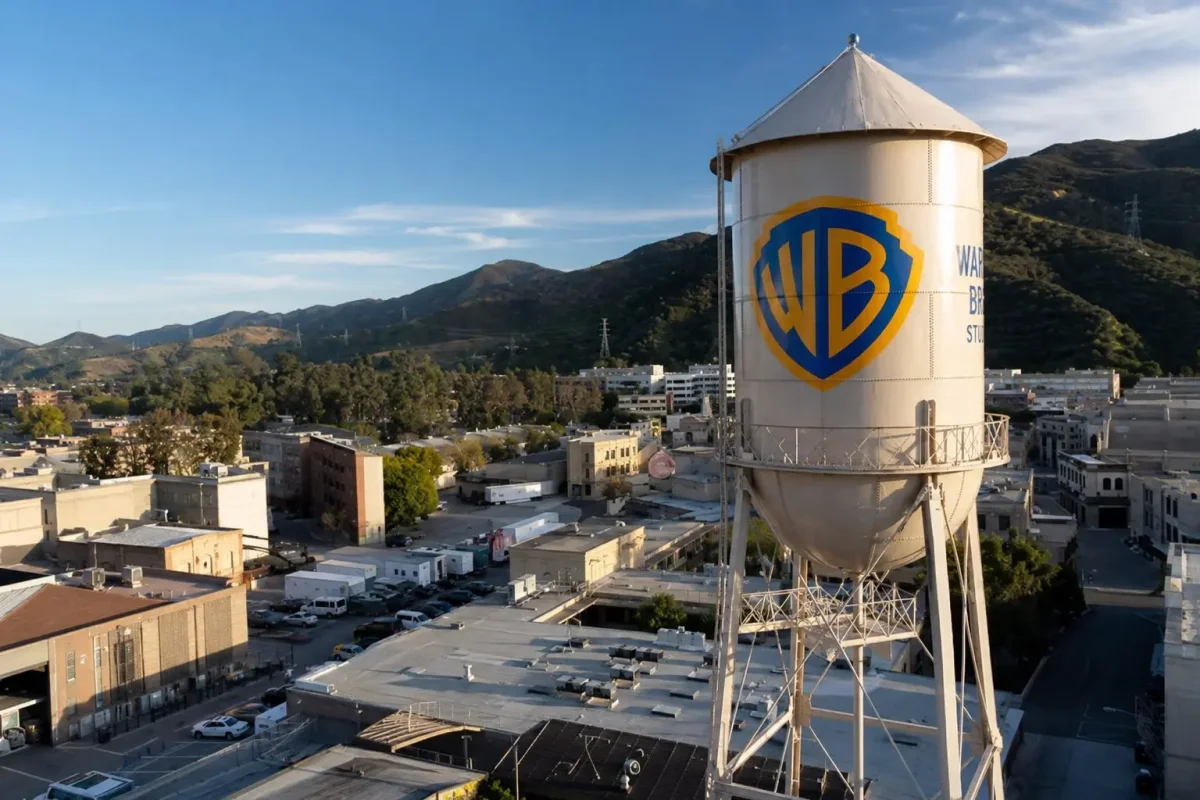
Thirty-four Democratic lawmakers from California have formally requested that state Attorney General Rob Bonta conduct a thorough antitrust review of Paramount Skydance's proposed $111 billion acquisition of Warner Bros. Discovery. The letter, sent Wednesday, emphasizes the need to assess potential competitive harm from the massive media consolidation, which would bring together Warner Bros., Paramount Pictures, HBO Max, Discovery+, Paramount+, CNN, CBS News, and over two dozen cable networks under a single corporate umbrella.
Political Pressure Mounts
The lawmakers' intervention adds significant political weight to a review that is already shaping up as a major regulatory hurdle. They specifically cited a 13.2% decline in on-location filming in the greater Los Angeles area during the third quarter of 2025, along with more than 42,000 lost motion picture jobs in Los Angeles County between 2022 and 2024. The message is clear: as employment in the entertainment sector contracts, further consolidation could exacerbate the strain on an already stressed workforce.
Regulatory Landscape
Bonta had already flagged the transaction for a "full and robust review" back in February, voicing concerns that the merger could squeeze competition, threaten jobs, and limit consumer choice. However, no formal legal action has been announced yet. The lawmakers are urging Bonta to keep California's review process independent of any federal action, signaling a desire for aggressive state-level oversight.
Meanwhile, the U.S. Justice Department has issued subpoenas probing issues including studio output, content rights, streaming competition, and theatrical release strategies, according to Reuters. Industry analysts note that management still faces the challenge of securing regulatory approvals and demonstrating long-term value creation.
Market Context and Stakeholder Reactions
Paramount and Warner Bros. Discovery maintain that the merger is a strategic move to achieve scale in a media landscape battered by cord-cutting and streaming losses. The companies announced in February that Paramount would pay $31 per share in cash, with a target closing in the third quarter of 2026. The combined entity plans to release at least 30 theatrical films annually. Paramount CEO David Ellison described the deal as an effort to "honor the legacy of two iconic companies."
Warner Bros. Discovery shareholders approved the merger in April, but the path to closing remains uncertain. Forrester analyst Mike Proulx suggested that "real regulatory pressure sits overseas," pointing to potential international antitrust hurdles. FCC Commissioner Anna Gomez, the sole Democrat on the panel, has called for a tough review of investments from state-owned funds linked to Saudi Arabia, Qatar, and Abu Dhabi, citing national security and press freedom concerns. Paramount maintains that the Ellison family will retain voting control.
On Thursday, actor Mark Ruffalo and antitrust advocate Matt Stoller published a New York Times op-ed urging artists to speak out against the deal, revealing that efforts to gather support for a "block the merger" letter uncovered "a deep, ugly and pervasive fear of speaking out."
Financial and Competitive Implications
As of the end of March, Warner Bros. Discovery reported over 140 million streaming subscribers, while Paramount+ had 79.6 million. Combined, the total would exceed 220 million, providing a stronger competitive position against Netflix and Disney. Emarketer analyst Ross Benes noted that the merger could give the combined entity the top U.S. sports lineup among non-Disney streamers, assuming regulatory clearance. Paramount touts potential cost synergies of at least $6 billion.
The numbers underscore the high stakes: the deal would reshape the entertainment industry, but faces a gauntlet of regulatory reviews in California, Washington, and overseas. The outcome will have significant implications for competition, employment, and consumer choice in the media sector.