Canada's national average gasoline price slipped 2.2 Canadian cents on Friday, September 11, to 176.6 cents per litre, according to the CAA's daily reading. While the decline offers some relief at the pump, investors should not interpret it as a straightforward sell signal for integrated oil producers Suncor Energy (SU), Imperial Oil (IMO), or Cenovus Energy (CVE). The drop is largely seasonal, and the key earnings drivers for these companies remain crude oil prices, wholesale refining margins, and refinery utilization rates.
The 2.2-cent decline brings the national average to 176.6 cents per litre, down from 178.8 cents the previous day. However, this is still 13.5 cents above the level seen a month ago and a significant 35.1 cents higher than the same time last year. For a typical household filling up a 50-litre tank, Friday's drop amounts to a saving of about C$1.10 per fill. If prices were to return to their month-ago average, that would add another C$6.75 in savings—welcome relief, but not enough to offset the broader inflationary pressure that elevated gasoline prices have been exerting on consumers.
Seasonal Shift Ahead
The next potential catalyst for lower prices is the transition from summer-grade to cheaper winter-grade gasoline. Industry analysts told Global News that the new blend is expected to start reaching Canadian pumps as early as September 16. While this seasonal change typically leads to lower prices, analysts are hesitant to predict a specific decline due to persistent crude supply risks. Natural Resources Canada explains that pump prices are composed of crude costs, refining and retail margins, transportation, and taxes. The department's gasoline price primer notes that crude oil has been the primary driver of recent price volatility. The seasonal switch lowers one component of the fuel-cost stack, but it does not neutralize the risk of an oil supply shock.
What It Means for Oil Stocks
Suncor, Imperial, and Cenovus are integrated producers, meaning they have both upstream (production) and downstream (refining and marketing) operations. A drop in retail gasoline prices does not necessarily translate into weaker earnings for these companies. In fact, a decline driven by cheaper winter-grade fuel or narrower retail margins can coincide with healthy refining economics. Moreover, if crude prices remain elevated, upstream cash flows can stay strong even as pump prices fall.
Recent company reports highlight why investors should focus on refining spreads rather than just the roadside price sign. Suncor reported record downstream adjusted funds from operations in the second quarter, along with record refining throughput and refined product sales. Imperial Oil achieved 331,000 barrels per day of refinery throughput, a 76% utilization rate, and 446,000 barrels per day of petroleum product sales, though it did lower its full-year throughput guidance following downtime.
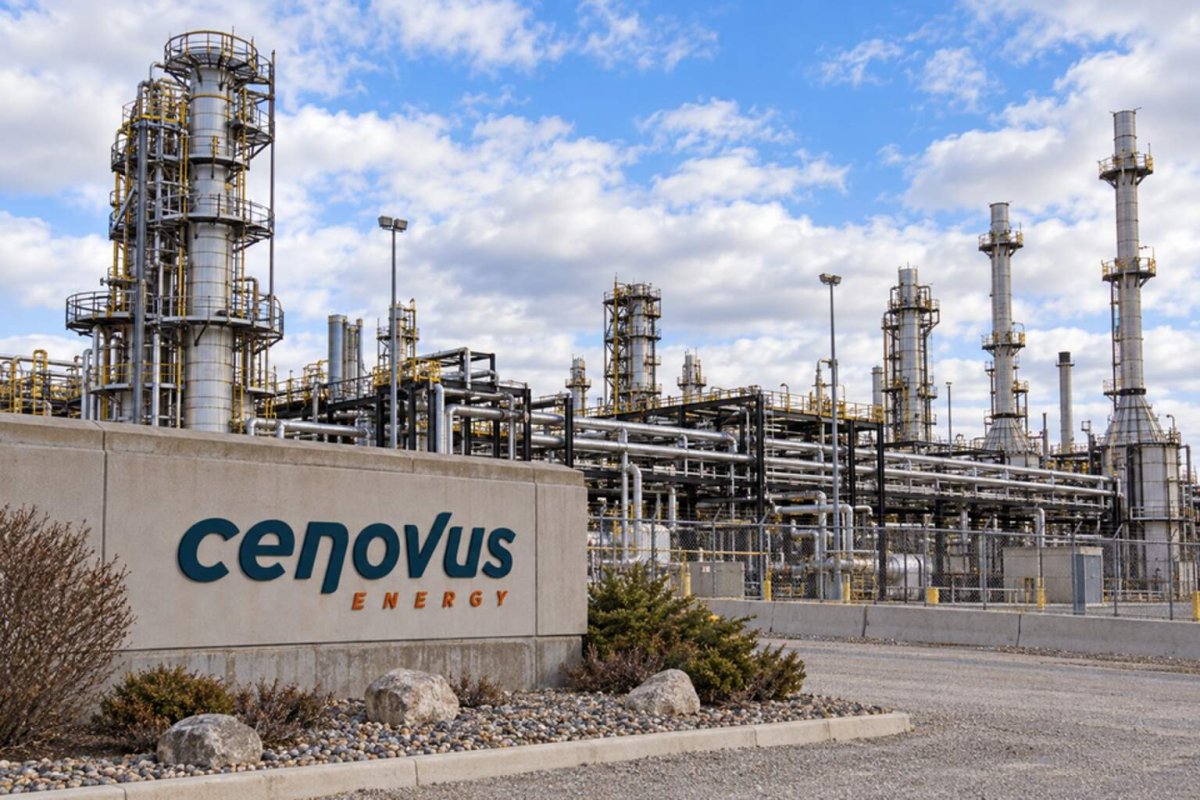
Cenovus provides the clearest example of margin sensitivity. Its second-quarter results showed a downstream operating margin of C$953 million, up from C$734 million in the first quarter, helped by strong crack spreads and upgrading differentials. However, its U.S. refining market capture fell sharply to 67% from 114% as seasonal product pricing and higher light crude costs weighed on performance. That underscores the counterargument to dismissing the pump price drop: if wholesale refining spreads compress—not just seasonal production costs—downstream profits can erode quickly.
Market Reaction
On Friday, the stock market did not signal a broad refining scare. In Toronto, Suncor closed at C$95.30, essentially flat from Thursday. Imperial Oil finished at C$180.36, down about 0.5%, while Cenovus ended at C$45.89, down about 0.6%. These closing figures are from September 11 and are not live weekend quotes.
What to Watch
For consumers, the key test is whether the national average continues to decline after September 16, rather than merely reversing Friday's dip. For shareholders, three numbers matter more: benchmark crude prices, gasoline and diesel crack spreads, and refinery utilization rates. A sustained drop in all three would weaken the case for integrated producers. Conversely, a seasonal pump price decline while crude stays high and refineries operate reliably would be a different outcome: modest relief for households, but no automatic earnings downgrade for SU, IMO, or CVE.