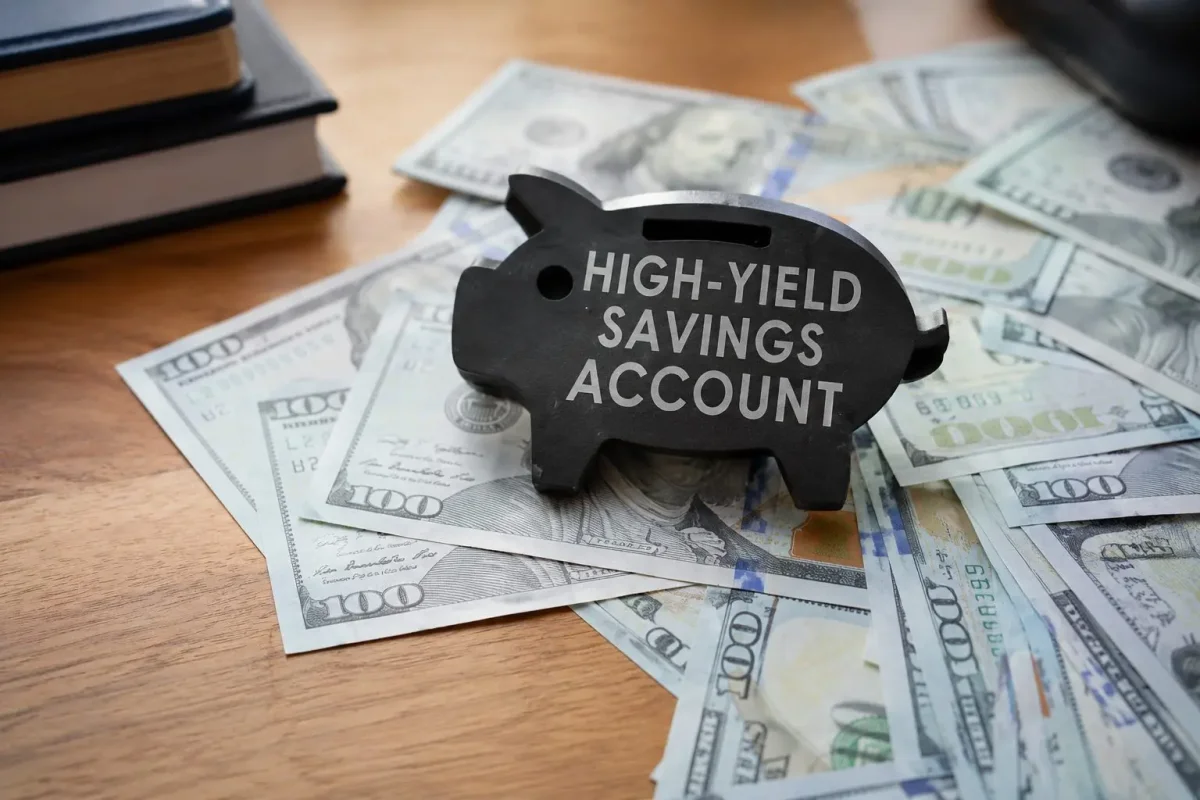
The disparity between top-tier savings rates and the national average has widened into a significant drag for uninvested cash, with a $100,000 balance potentially losing over $4,500 in annual interest compared to the best available options. As of June 30, 2026, leading high-yield savings and money-market accounts were offering annual percentage yields (APY) around 5.00%, while the FDIC's average savings rate languished at just 0.38%.
This gap is more than a consumer curiosity; it poses a strategic challenge for bank investors. While slower deposit repricing helps banks keep funding costs low, an accelerating migration of customer deposits toward higher-yielding accounts could compress net interest margins. The FDIC reported that net interest margin for U.S. banks slipped eight basis points to 3.31% in the first quarter, as asset yields fell faster than funding costs. Industry deposits rose 2.1% in the quarter, marking the seventh consecutive increase.
Top Offers and Their Fine Print
According to a June 30 survey by Wall Street Journal Buy Side, Varo Bank led the pack with a 5.00% APY, but only on balances up to $5,000. GO2bank, linked to Green Dot Corporation (NYSE: GDOT), offered 4.50% APY, also capped at $5,000. St. Mary's Credit Union provided 4.50% APY on balances up to $50,000. Pibank offered 4.40% APY with no minimum deposit or additional requirements. Axos Bank, a subsidiary of Axos Financial (NYSE: AX), delivered 4.21% APY but required a $1,500 balance and direct deposit. Newtek Bank, under NewtekOne (NASDAQ: NEWT), offered 4.20% APY with no minimum reported.
The ,530 Annual Gap
Forbes Advisor, using Curinos data, cited the top money-market account rate at 5.00% as of June 30, against a national average of 0.47%. On a $100,000 balance, the difference is stark: $5,000 annually at 5.00% versus $470 at the Curinos average. That is a $4,530 gap each year before taxes or rate changes. The FDIC's May 2026 national-rate table showed a savings rate of 0.38% and a money-market deposit rate of 0.57%, with adjusted rate caps at 4.39%.
What This Means for Investors
The Federal Reserve held its federal funds target at 3.50%-3.75% on June 17, and June forecasts project a median rate of 3.8% for 2026, up from the 3.4% forecast in March. This environment supports the persistence of 4%-5% cash offers. However, not all high-yield accounts are equal. Caps, minimum balances, and direct-deposit requirements can significantly reduce the effective yield on larger sums. For a $100,000 deposit, the headline rate matters less than how much of the balance actually qualifies.
Money-market accounts offer features like check-writing that many savings accounts lack, as noted by CBS News on June 23. While CDs may pay slightly higher rates, they lock up funds and impose early-withdrawal penalties. For large idle cash balances, the key consideration is how much of the money earns the advertised rate after accounting for all conditions.
Bank stocks are watching this trend closely. If more customers shift funds into 4%-5% accounts, funding costs will rise, squeezing margins. The FDIC data already shows a narrowing net interest margin, and further deposit repricing could accelerate that pressure. For now, the gap between the best and average rates remains a compelling story for both savers and investors.