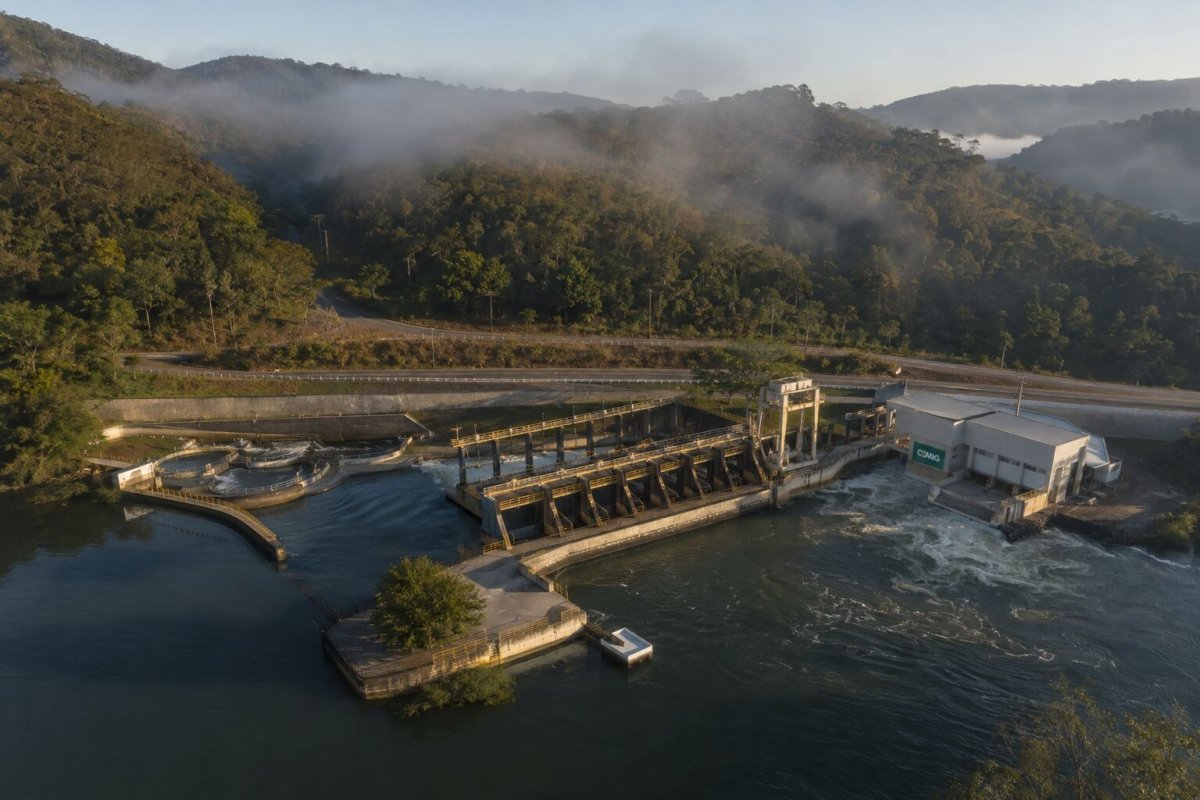
Brazilian utility Cemig (BVMF:CMIG4; NYSE:CIG) has secured a 30-year extension for its Sá Carvalho hydroelectric plant, a move that provides a regulatory blueprint but does little to resolve the company's larger concession overhang. The approval, disclosed on August 31, covers only 78 megawatts (MW) of generation capacity—a mere 4.4% of the 1,780 MW basket of three plants awaiting renewal decisions.
The two remaining plants, Emborcação (1,192 MW) and Nova Ponte (510 MW), represent 49.5% of Cemig's owned generation capacity of 3,439 MW, based on the company's May investor presentation. Their concessions expire in May and August 2027, respectively. The Sá Carvalho decision, while positive, does not address the bulk of the risk that shareholders are watching.
Regulatory Path Established, But Big Questions Remain
The Sá Carvalho extension, approved by Cemig's board on August 28 and disclosed in a material fact on August 31, enters Brazil's quota regime. Under this framework, regulators set annual generation revenue, and electricity is allocated to distributors. This structure reduces exposure to merchant price volatility but also caps upside when spot prices rise, as noted by Brazil's electricity regulator ANEEL.
Alternatively, Cemig could have opted for an independent producer model, which offers market-price exposure but requires a concession fee. The chosen quota regime aligns with the company's strategy of predictable cash flows, but it may limit potential gains from favorable market conditions.
Market Reaction and Trading Activity
Following the announcement, Cemig's preferred shares (CMIG4) rose 7.1% over six sessions, closing at R$11.26 on Friday. Trading volume surged to 28.3 million shares on Tuesday, up from 9.8 million on August 28, indicating increased investor attention. However, analysts caution that the move cannot be attributed solely to this news, as broader market dynamics may have contributed.
Analyst Perspectives and Rating Actions
Fitch Ratings, in its August 25 review, had assumed all three concessions would expire, forecasting negative free cash flow through 2028 partly due to Cemig's 20.4 billion reais investment plan. The Sá Carvalho renewal provides only a modest improvement to that scenario, as the generation and transmission division contributes about 30% of consolidated EBITDA, with contracted generation prices averaging 247 reais per MWh through 2028.
Banco Safra recently lowered its price target for CMIG4 to R$11.90 from R$12.50, maintaining a Neutral rating. The firm cites risks through 2028, including renewal fees, regulated revenue terms, and potential delays. The new target sits 5.7% above Friday's close.
What's Next for Cemig?
Cemig has 210 days after being summoned by Brazil's Mines and Energy Ministry to sign the concession addendum for Sá Carvalho. Management had expressed confidence in securing renewals before expiry, but the fate of Emborcação and Nova Ponte remains the decisive factor for the equity story.
Investors will be closely watching for progress on these larger concessions, as well as the final terms of the Sá Carvalho addendum. Hydrology, regulatory oversight, and the heavy capital expenditure program add further layers of complexity.
While Sá Carvalho represents real progress, the unresolved status of Emborcação and Nova Ponte means the bulk of Cemig's concession risk remains. The coming months will be critical in determining whether the company can secure favorable terms for its remaining hydro assets.
