In a significant escalation of Middle East tensions, U.S. military forces struck three Iranian oil tankers on Saturday, injecting a fresh wave of uncertainty into global crude markets. The action comes on the heels of a robust 9.7% weekly rally in West Texas Intermediate (WTI) crude, which had already priced in substantial geopolitical risk. Oil futures will provide the first market reaction when trading resumes Sunday evening, while U.S. equities remain closed until Tuesday due to the Labor Day holiday.
Direct Impact: Beyond the Vessels
The immediate loss of three tankers, while notable, is not the primary concern for traders. The critical question revolves around potential Iranian retaliation against naval escorts, export infrastructure, or the vital shipping corridor through the Strait of Hormuz. Each of these pathways could further constrict already-thin physical oil flows, amplifying supply concerns.
According to the U.S. Energy Information Administration (EIA), Hormuz oil traffic averaged 4.9 million barrels per day in the second quarter, a staggering 77% decline from the 21.6 million barrels per day recorded before the conflict began. With the route already operating at a fraction of its pre-war capacity, any additional disruption would hit a system with virtually no spare room.
Market Context: Premiums and Price Levels
Crude carried a significant premium into the weekend. October WTI futures settled at $91.48 on Friday, marking an $8.08 gain from August 28 through the September 4 settlement, according to Yahoo Finance futures history and Bloomberg settlement data. The first key price marker for Sunday's trading is Friday's high of $92.17. A move above this level would signal a larger security premium, while trading below the settlement price would indicate market restraint.
Operational Details and Strategic Implications
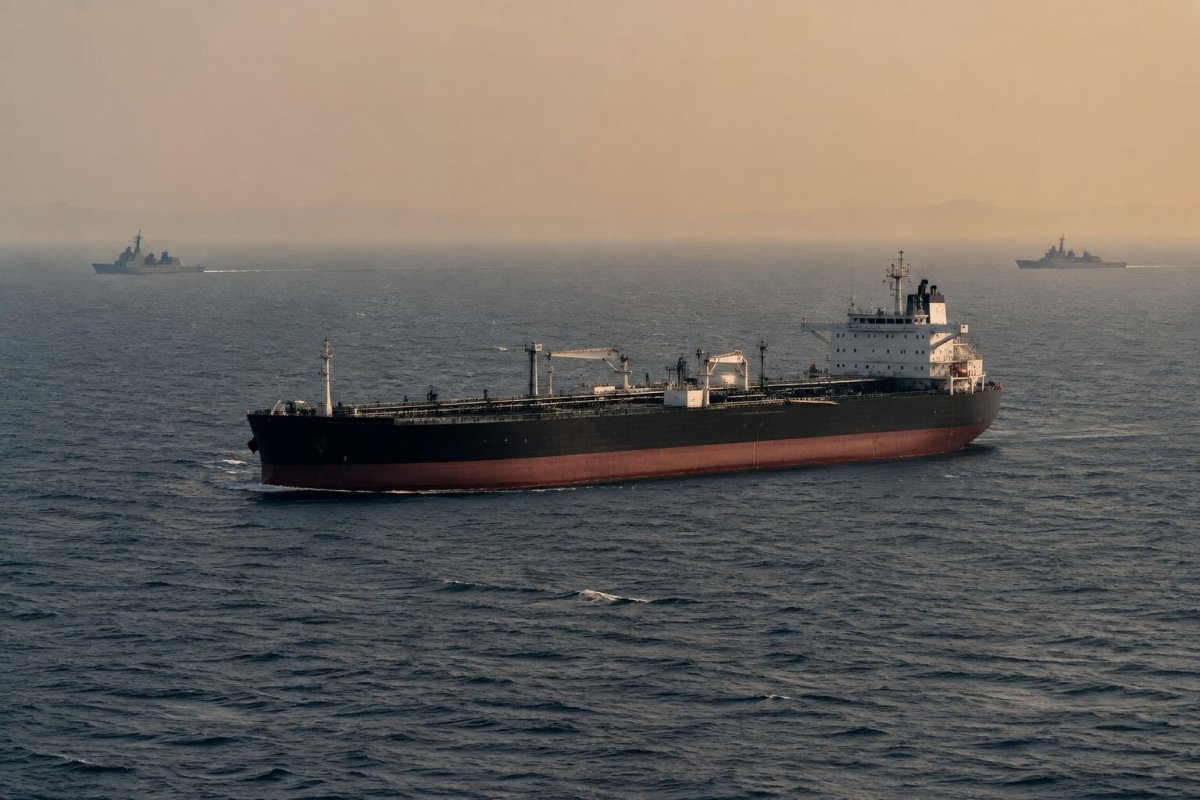
The Associated Press, citing CENTCOM's statement, reported that a U.S. aircraft carrier and destroyer successfully evaded several Iranian attacks, with no U.S. personnel injured. American forces then disabled two Iranian oil carriers and destroyed a third, which was unladen. One tanker was struck near Kharg Island, Iran's central crude-export hub, while another was targeted near Jask, east of the strait. The empty vessel was located in the Gulf of Oman.
Admiral Brad Cooper issued a stark warning, stating the U.S. would defend its forces and, if required, destroy Iran's "limited and exposed oil fleet." This language significantly widens the potential target set and raises the likelihood of another Iranian response.
Physical Flows: A Mixed Picture
Before Saturday's strike, the physical oil market had shown signs of improvement. TankerTrackers identified oil and gas cargoes totaling approximately 7 million barrels preparing to move under U.S. protection, and counted 17 ship-to-ship transfers involving 24 million barrels on Friday. However, these figures require careful interpretation—transfers in the Gulf of Oman are not completed Hormuz crossings, and staged cargoes do not represent a sustainable daily rate.
Kpler's latest framework places strait flows between 5 million and 10 million barrels daily, depending on definitions and reporting lags. The firm cautions that ships running without transponders cause the most recent days to revise higher. On September 1, only four commodity vessels crossed the strait, compared to a recent average of around 13.
Equities: Gap Risk Ahead
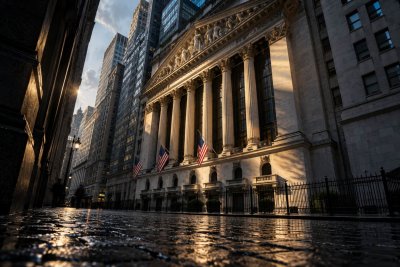
Friday's stock tape did not price in Saturday's events. U.S. energy shares weakened, with the Energy Select Sector SPDR Fund (NYSEARCA:XLE) falling 0.9%, Exxon Mobil Corporation (NYSE:XOM) losing 1.7%, and Chevron Corporation (NYSE:CVX) dropping 1.3%. Conversely, transport stocks moved higher, with American Airlines Group Inc. (NASDAQ:AAL) gaining 1.2% and United Airlines Holdings Inc. (NASDAQ:UAL) rising 2.5%.
This setup creates significant gap risk for Tuesday's reopening. Higher crude can benefit upstream earnings, but the relationship is not automatic—refining margins, hedge books, and production locations all play a role. Airlines face the inverse pressure through jet fuel costs. A single session's move says little about annual expenses; sustained gains in crude and refined products would carry far greater weight.
Analyst Perspectives and Key Events
Norbert Rucker of Julius Baer commented on Friday that oil's rally appeared "mostly mood and fear driven." Saturday's strike provides a clean test of that thesis. Physical passage data will be crucial in confirming or rejecting the fear premium.
The calendar adds another wrinkle: OPEC+ is also scheduled to meet on Sunday. Its production decision matters less if tankers cannot safely exit the region. Traders should focus on completed crossings rather than promised barrels.
Risks are bidirectional. Further strikes near Kharg Island, against escorts, or on merchant shipping could push crude higher and pressure transport shares. Conversely, a quiet corridor and successful convoys could quickly erode part of the war premium.