CleanSpark, Inc. (NASDAQ:CLSK) saw its stock retreat from a sharp early rally on Wednesday, as investors absorbed the details of a 20-year data-center lease valued at $6.6 billion in expected revenue, set against a potential construction tab of up to $2.1 billion. The shares, which initially surged 10.5% to a high of $14.86, later settled at $13.64, up just 1.4% for the session.
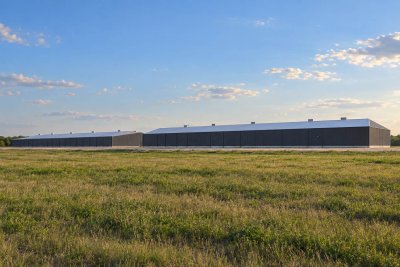
The agreement, unveiled on Tuesday, covers 175 megawatts of critical IT load at CleanSpark's Sandersville, Georgia, campus. An unnamed high-investment-grade technology firm will occupy the space under a triple-net lease, which transfers most property-related costs to the tenant. The first data hall is slated for completion in the fourth quarter of 2027, with the remainder due in the first quarter of 2028.
CleanSpark projects average annual net operating income (NOI) of roughly $330 million from the lease, defined as rent after property operating expenses. CEO Matt Schultz described the deal as a “transformational moment” for the company. However, the headline contract value, approximately 2.1 times CleanSpark’s $3.1 billion market capitalization, is spread over two decades. The estimated build cost, ranging from $1.75 billion to $2.1 billion, represents 56% to 68% of the company’s current equity value. The funding need arrives well before the rental income stream begins.
To bridge this gap, Chief Financial Officer Gary Vecchiarelli indicated that the “overwhelming majority” of construction costs would be financed through project-level debt. He also noted that “our stock is our highest cost of capital currently,” signaling management’s intent to avoid issuing new shares. As of June 30, CleanSpark held about $200 million in cash, roughly 14,000 bitcoin valued at approximately $900 million, and an undrawn $400 million bitcoin-backed revolving credit facility.
A sensitivity analysis provided by BTIG, using CleanSpark’s cost estimates and assuming 90% loan-to-cost financing at a 6% interest rate, suggests annual interest payments of $95 million to $113 million, translating to NOI-to-interest coverage ratios of 3.5x and 2.9x, respectively. The analysis excludes fees, principal repayments, construction timing, and the phased rent ramp.
On a per-megawatt basis, the Sandersville lease is roughly in line with Hut 8 Corp.’s (NASDAQ:HUT) River Bend agreement but below TeraWulf Inc.’s (NASDAQ:WULF) recently announced Anthropic lease. CleanSpark’s average annual revenue per megawatt stands at $1.89 million, compared to $1.90 million for Hut 8 and $2.37 million for TeraWulf. These figures are simple averages, and differences in escalators, lease structure, and construction obligations may affect comparability.
Needham raised its price target on CleanSpark to $23 from $18 following the deal, lifting its 2028 estimates to incorporate Sandersville and assumed contributions from Texas. BTIG maintained a $26 target, noting that the per-megawatt pricing of about $1.9 million represents a slight premium to its peer range of $1.7 million to $1.8 million. The contrast reflects differing peer groups and commercial structures.
Until the data center becomes operational in late 2027, CleanSpark’s income statement will continue to rely on bitcoin mining. Fiscal second-quarter revenue fell 24.9% year over year to $136.4 million. The company produced 614 bitcoin in June, ending the month with 13,924, including 1,719 posted as collateral or recorded as receivable. The lease promises a long-duration income stream independent of bitcoin price fluctuations and mining competition, but that benefit remains years away.
Looking ahead, the same tenant has signed a letter of intent and exclusivity arrangement for up to 885 megawatts across CleanSpark’s Texas portfolio, more than five times the Sandersville capacity. No pricing for a potential Texas lease has been disclosed. Schultz noted that exclusivity windows in the sector typically range from 30 to 120 days but declined to provide the specific period agreed with this tenant. For now, Texas remains an option, not contracted revenue.
Execution risks are substantial. CleanSpark’s regulatory filing warns that missed financing, construction, or delivery milestones could trigger rent abatements or lease termination. The tenant remains confidential, and the $330 million NOI figure is an average over the lease term, meaning early cash receipts may be lower. The Texas discussions could also fail to result in a binding agreement. For investors, the next key milestone is securing a project-financing package that aligns with BTIG’s debt assumptions without heavy dilution, followed by a binding lease for at least one Texas site. Until then, the $6.6 billion figure represents a long-term contract value, not cash in hand.