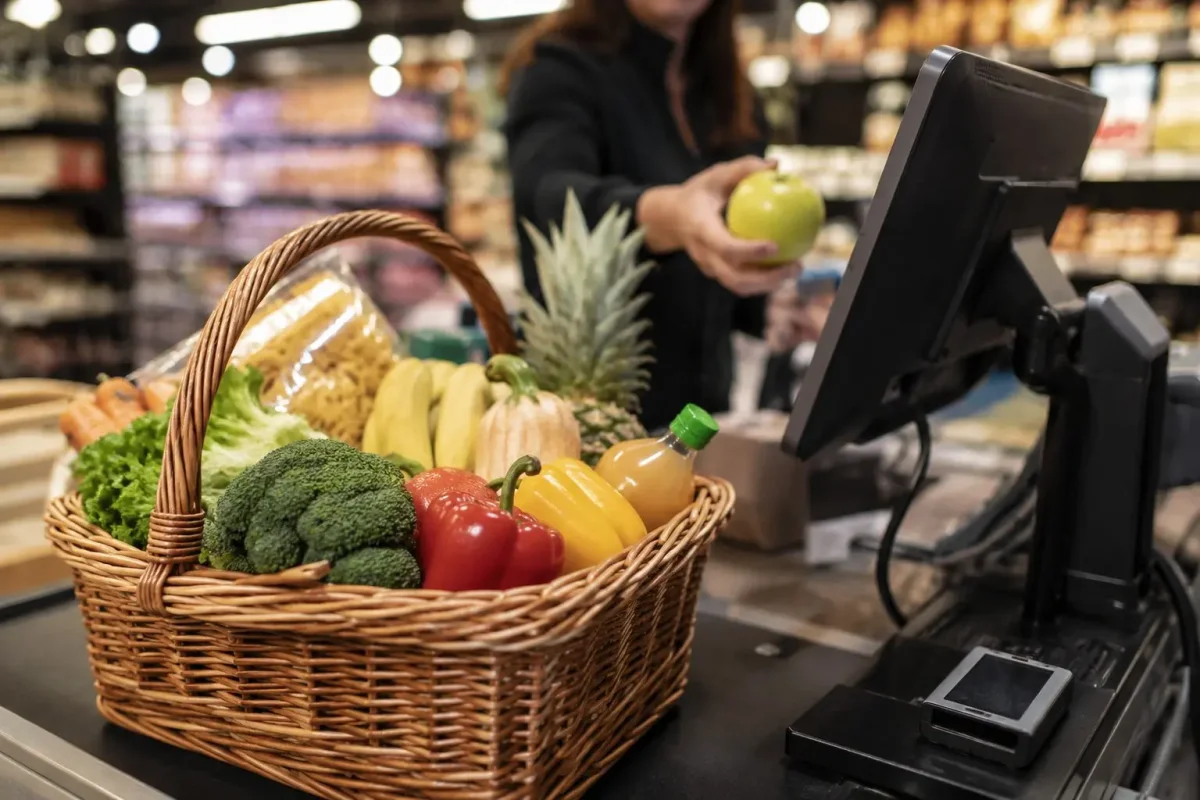
NEW YORK, July 17, 2026 – American consumers are growing increasingly downbeat about the economy, with a new survey showing pessimism at its highest level in over two and a half years. Despite this gloom, retail spending has remained surprisingly resilient, suggesting households are prioritizing essential purchases over discretionary items.
Pessimism Peaks, Spending Persists
A CNBC survey released Friday found that 61% of Americans now hold a pessimistic view of the economy, the highest reading since December 2023. Only 25% expressed optimism, resulting in a net confidence gap of 36 percentage points. The survey, which polled 1,000 adults with a margin of error of ±3.1 points, underscores a deepening consumer unease.
However, advance retail sales data from the Census Bureau for June tells a different story. Sales rose 6.7% compared to the same month last year, though monthly growth was limited to just 0.2%. When adjusted for the 3.5% year-over-year increase in consumer prices (CPI), the real growth in spending stands at approximately 3.2 percentage points. While this buffer is not a precise inflation-adjusted metric, it suggests that demand has not collapsed.
Market Reaction: Staples Outperform Discretionary
Investors have taken note of this divergence. In early trading Friday, the Consumer Staples Select Sector SPDR Fund (NYSEARCA:XLP) advanced 0.62%, while the Consumer Discretionary Select Sector SPDR Fund (NYSEARCA:XLY) declined 0.74%. The SPDR S&P 500 ETF Trust (NYSEARCA:SPY) slipped 0.58% by mid-morning.
This sector rotation reflects a defensive shift. As households face persistent inflation—gasoline prices remain 26.7% above last year—they are likely to continue spending on necessities while postponing larger discretionary purchases. The 1.36-point outperformance of staples over discretionary stocks underscores this cautious stance.
Sentiment Indicators Mixed
The University of Michigan’s preliminary July reading showed consumer sentiment rising 9.9% from June to 54.4, but that remains 11.8% below the July 2025 level. Survey director Joanne Hsu noted that consumers are “hardly ebullient about the economy” and warned that rising gasoline prices could slow the recovery.
President Donald Trump’s economic approval rating stood at 42%, with 55% disapproving, according to CNBC. The net -13 result is the lowest for Trump’s economic performance in either term.
Inflation and Retail Sales in Focus
Consumer prices in June fell 0.4% month-over-month but were still 3.5% higher over the past 12 months. Gasoline prices remain a key pressure point, up 26.7% year-over-year. Retail sales are reported in nominal terms and do not account for price fluctuations, but the 3.2-point spread between sales growth and CPI suggests a sudden drop in demand is unlikely.
Risks remain, however. The June retail data is preliminary, and over 70% of Michigan survey respondents were interviewed before new U.S. strikes on July 7. Rising fuel costs could offset the recent sentiment recovery.
Investor Takeaways
Despite consumer pessimism, spending has not significantly declined. Current data supports a defensive positioning favoring staples over discretionary sectors. The divergence between sentiment and spending highlights the resilience of essential consumption, even as households grow more cautious about the broader economic outlook.