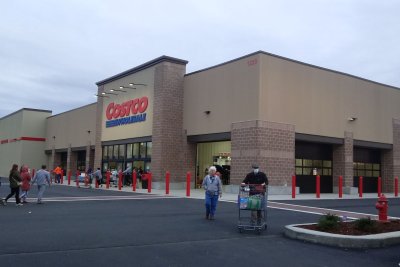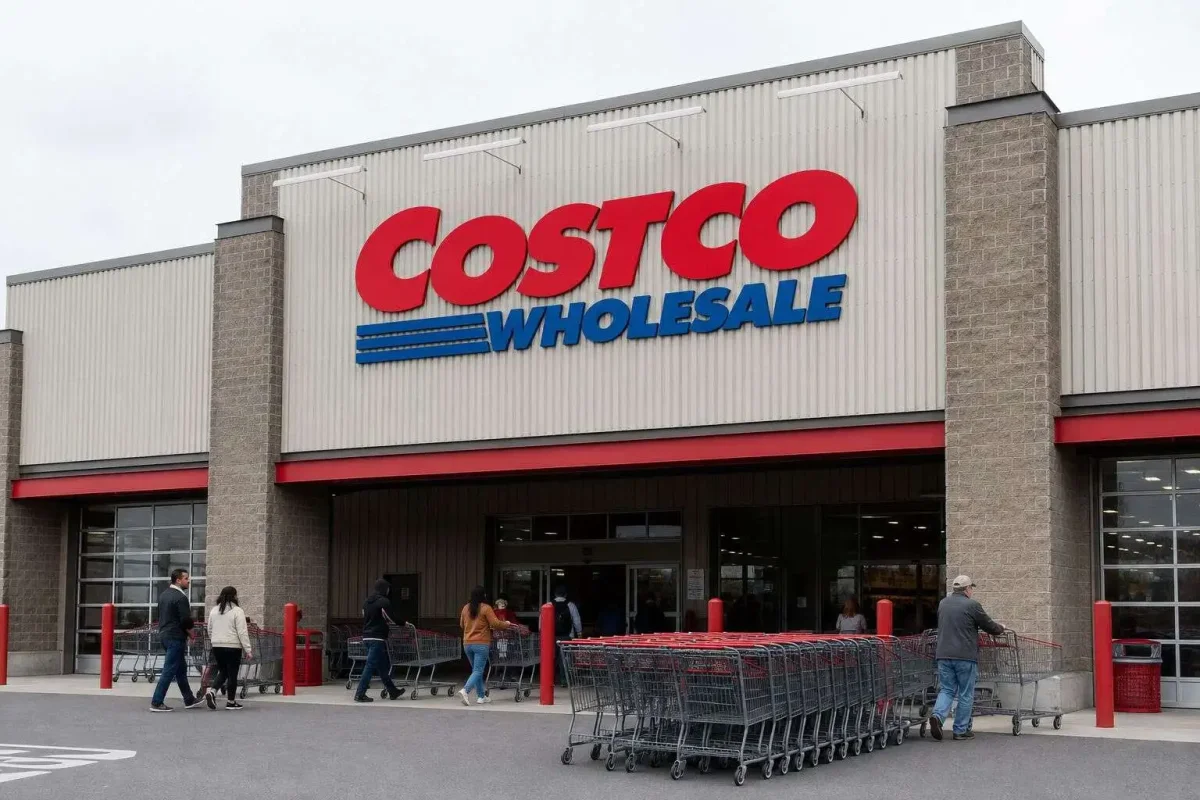
Costco Wholesale (NASDAQ: COST) shares edged down 0.4% to $941.90 in Monday trading, as investors weigh the company's robust sales growth against a valuation that remains stretched relative to peers. The warehouse club operator now trades at 47.4 times trailing earnings, a premium that has become the central debate among market participants.
July net sales climbed 10.7% year over year to $23.12 billion, while adjusted comparable sales rose 6.6%, excluding the impact of gasoline price fluctuations and foreign exchange. Digital sales were a standout, with adjusted comparable e-commerce growth of 18.2% during the month. The company's fiscal third-quarter net sales increased 11.6% to $69.15 billion, with net income of $2.19 billion, or $4.93 per diluted share.
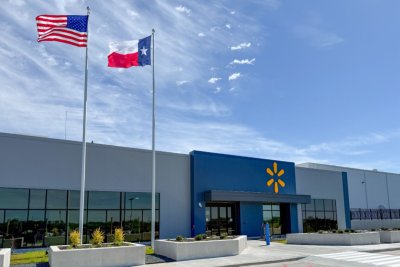
Despite the strong operating metrics, Costco's valuation remains a focal point. The stock's price-to-earnings multiple stands roughly 10 points above Walmart's (NYSE: WMT) 37.6x and more than double the readings for Target (NYSE: TGT) and BJ's Wholesale Club (NYSE: BJ), which trade at 16.7x and 19.8x, respectively. The premium reflects investor confidence in Costco's ability to sustain growth, but it also leaves little room for error.
Analyst Outlook and Price Targets
Wall Street remains constructive on the stock. A consensus of 39 analysts carries a Buy rating with an average price target of $1,077, implying roughly 14.3% upside from current levels. Targets range from $740 to $1,315. However, the average target implies a forward P/E of approximately 52.3 times consensus fiscal-year earnings of $20.58 per share, underscoring the market's high expectations.
The valuation sensitivity table illustrates the dependence on multiple preservation. At 47.4 times earnings, the stock would be worth roughly $975, a 3.5% gain. If the multiple contracts to a ten-year-style normalization of 40x, the implied value drops to $823, a 12.6% decline. Conversely, if the multiple expands to 52.3x, the stock could reach $1,077.
Growth Drivers and Upcoming Catalysts
Costco's growth engine remains intact. July's adjusted comparable sales growth of 6.6% was driven by strong U.S. performance, with core comparable sales up 6.9%. The company's digital channel continues to accelerate, with adjusted e-commerce comps up 18.2% in July and 20.8% in the fiscal third quarter.
Consensus estimates call for fiscal-year EPS growth of 13.0% to $20.58, while revenue is projected to rise 9.6% to $301.58 billion. The next major catalyst is the fiscal fourth-quarter earnings report scheduled for September 24, where investors will scrutinize core U.S. traffic trends, digital momentum, and gross margin performance.
Peer Comparison and Risk Factors
Costco's valuation premium is notable when compared to its retail peers. Walmart trades at 37.6x trailing earnings, Target at 16.7x, and BJ's at 19.8x. While Costco's membership model and operational efficiency justify some premium, the gap raises concerns about sustainability.
Key risks include slower traffic trends, wage inflation pressures, and potential weakening in membership renewal economics. Even if execution remains flawless, a reversion toward the historical average P/E of around 40x could lead to share price declines. The market is paying a premium for durable growth, and any sign of deceleration could trigger a valuation reset.
At $941.90, Costco's business momentum is undeniable, but the stock's fate hinges on whether earnings can outpace the multiple. With the next earnings report just weeks away, investors will be watching closely for evidence that the premium is justified.