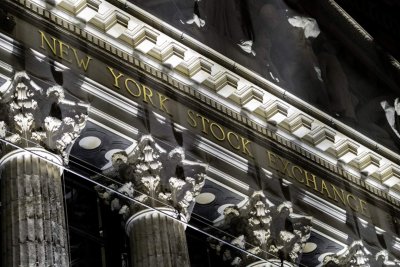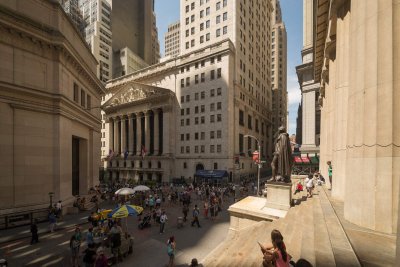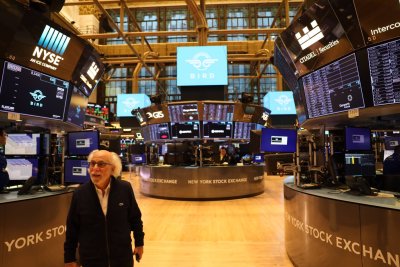
U.S. equity markets staged a powerful recovery on Wednesday, April 9, 2026, with the Dow Jones Industrial Average soaring 1,326.33 points to close at 47,910.79. The S&P 500 advanced 2.51%, while the technology-heavy Nasdaq Composite outperformed, climbing 2.80%. The rally was broadly attributed to investor optimism surrounding a tentative ceasefire agreement in the Middle East, which offered a reprieve from recent geopolitical tensions.
Sector Performance and Leadership
Semiconductor stocks led the charge, with the sector surging 6.3% as a group. Travel, leisure, and homebuilding shares also posted significant gains. In contrast, energy stocks declined 3.7% as crude oil prices briefly slipped below $100 per barrel on the initial ceasefire news. "The market is quite relieved," remarked Mike Dickson, head of portfolio management at Horizon Investments, in comments to Reuters.
Cramer's Analysis of the Bounce
CNBC's Jim Cramer pointed to the robust rally as a critical signal for investors. He advised market participants to scrutinize the leaders during such relief moves to discern where professional money managers might deploy capital once conditions stabilize. On his "Mad Money" program, Cramer stated, "When you go through these lists of the best and worst performers, you can see what’s worth owning when things calm down and what’s untouchable." He added, "When the market gets hammered again, you know what the professional money managers will reach for."
Specifically, Cramer highlighted four stocks that stood out during the rebound: Sherwin-Williams, Caterpillar, Home Depot, and Goldman Sachs. He suggested these names could attract renewed institutional interest if the de-escalation in the Middle East holds.
Memory Stocks and the AI 'Gold Mine'
Beyond the immediate rally, Cramer has maintained a focus on the memory sector, particularly Micron Technology. Earlier in the month, he characterized memory firms as sitting atop a "gold mine" due to insatiable demand from artificial intelligence data centers, which is consuming storage capacity faster than the market can supply. This theme played out during Wednesday's session, with shares of Western Digital and Seagate Technology also climbing sharply.
The AI-driven demand is a global phenomenon. Asian tech giant Samsung projected its quarterly operating profit would jump nearly eightfold, a beat analysts attributed to AI-fueled demand outpacing chip supply and driving prices higher. "As customers anticipated further increases, actual contract prices came in higher, leading to the beat," explained Kim Sunwoo, a senior analyst at Meritz Securities.
Caution on Narrow Leadership and Geopolitics
Despite his bullish stance on specific areas, Cramer injected a note of caution. He observed that market leadership remains "narrow, narrow, narrow," indicating the rally's strength was concentrated in only a handful of names rather than being broad-based.
This caution seemed prescient as the rally showed signs of fragility by Thursday morning. U.S. stock futures declined approximately 0.4%, and oil prices rebounded as skepticism grew regarding the durability of the U.S.-Iran ceasefire. Traders now await the release of the Personal Consumption Expenditures (PCE) index, the Federal Reserve's preferred inflation gauge, which economists polled by Reuters expect to remain stuck at 2.8%.
Market Risks and Forward Outlook
Analysts warned that the rebound could prove fleeting. Kiran Ganesh, a multi-asset strategist at UBS Global Wealth Management, cautioned investors not to be caught off guard by renewed geopolitical rhetoric or disruptions to energy shipments through the Strait of Hormuz. Furthermore, Saul Kavonic of MST Marquee noted that even a lasting peace might leave the oil market structurally tighter by 3 million to 5 million barrels per day for years compared to pre-conflict expectations.
The immediate path for markets appears heavily dependent on incoming data and headlines. Notably, market-implied probabilities for a Federal Reserve interest rate cut by the end of 2026 plummeted to just 30%, down sharply from 56% the previous day. Whether Wednesday's surge marks the beginning of a sustained recovery or merely a temporary bounce now hinges on signs of easing inflation and the stability of the nascent Middle East truce.