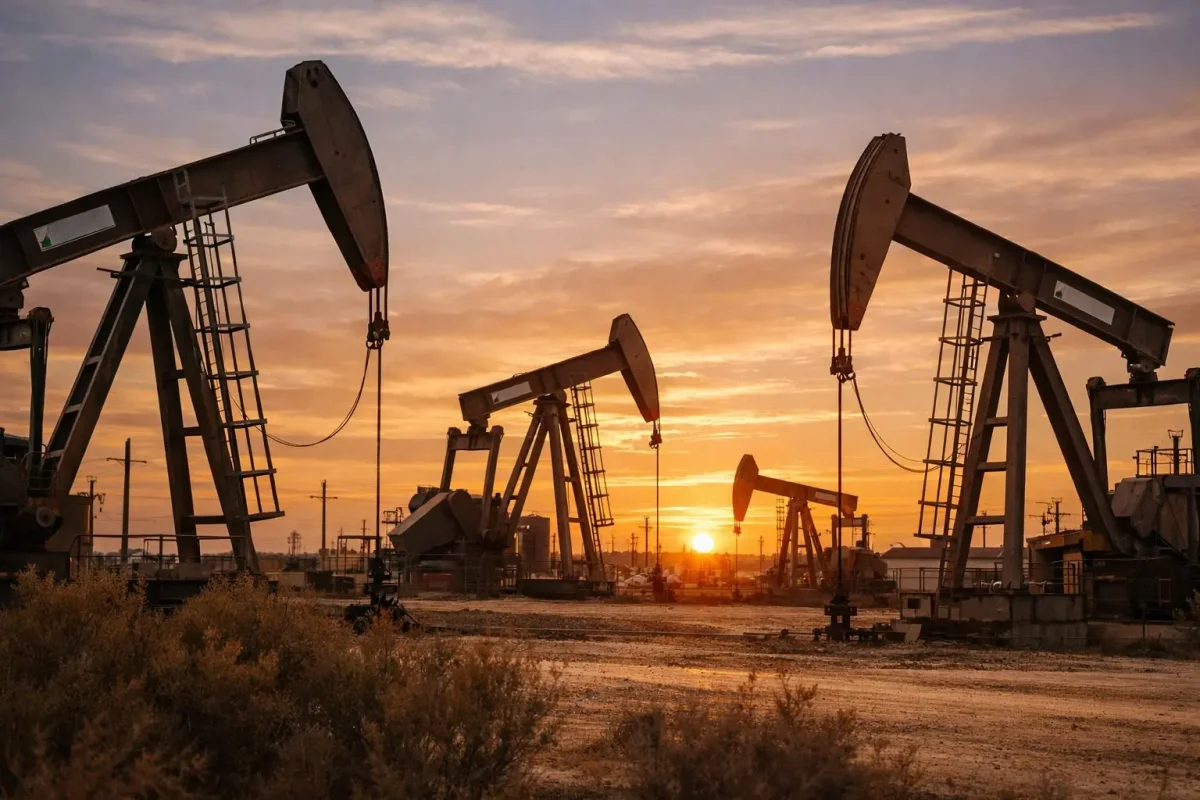
Global oil markets experienced a violent surge on Monday, with prices climbing more than 10% to levels not witnessed since 2022. The dramatic increase was fueled by escalating military conflict between the United States, Israel, and Iran, which has severely disrupted crude supplies from the Persian Gulf. By mid-morning Eastern Time, Brent crude futures, the international benchmark, had reached $102.29 per barrel, while U.S. West Texas Intermediate crude traded at $100.11.
Supply Disruptions Intensify
The core driver of the price spike is a significant reduction in oil output from key Gulf producers. Saudi Arabia, alongside other regional states, has implemented production cuts. Concurrently, shipping traffic through the critical Strait of Hormuz—a chokepoint for roughly one-fifth of global oil supply—remains constrained. This has created a severe supply squeeze in the immediate term, evidenced by a sharp backwardation in the futures curve where front-month Brent contracts traded nearly $24 above contracts for delivery six months out.
Analysts warn the situation shows no signs of abating. "Markets see no obvious offramp in the escalating Middle East conflict," noted IG market analyst Tony Sycamore, describing the price reaction as violent. ING highlighted a worsening outlook, pointing out that additional producers, including Iraq, Kuwait, and the United Arab Emirates, have now begun curbing their output.
Economic and Market Fallout
The shockwaves from the oil surge are radiating through the global economy. China, the world's second-largest oil consumer, enacted its largest single increase in state-controlled gasoline and diesel prices since March 2022. According to analysis from Capital Economics, a sustained 5% rise in oil prices could add approximately 0.1 percentage point to inflation across developed economies. The International Monetary Fund estimates a lasting 10% oil price gain could reduce global economic output by 0.1% to 0.2%.
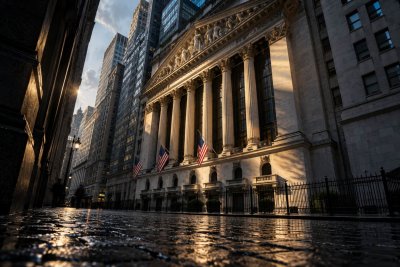
Financial markets reacted sharply to the heightened uncertainty. Japan's Nikkei index plunged 5.2%, while China's blue-chip index fell about 1%. The airline sector was particularly hard-hit, with shares declining across Asia and Europe. The pain is direct: jet fuel prices in some regions have already doubled since the fighting began. Morningstar analyst Lorraine Tan warned that soaring costs threaten to price many consumers out of leisure travel.
G7 Holds Fire on Strategic Reserves
In response to the crisis, Group of Seven nations discussed the potential use of emergency petroleum stockpiles but opted against an immediate release. An official familiar with the talks stated that most members agreed there was no current plan to tap strategic reserves, preferring to conduct further analysis first. G7 leaders are scheduled to revisit the issue later this week.
This decision leaves traders navigating extreme uncertainty. "With no clear definition of what winning looks like, it is hard to forecast whether this will be a multi-week or multi-month conflict," said Helima Croft, head of global commodity strategy at RBC Capital Markets. The lack of a coordinated supply response from consuming nations adds to the market's anxiety.
Risks of Further Escalation
The potential for another dramatic price spike remains high. Analysts at JP Morgan warned that any military strike on or seizure of Iran's Kharg Island—which handles about 90% of the country's crude exports—could halt shipments entirely and slash the nation's output by half. Such an event would almost certainly trigger retaliatory actions targeting shipping in the Strait of Hormuz or other regional energy infrastructure, compounding the supply crisis.
While the OPEC+ alliance recently approved a modest output increase of 206,000 barrels per day starting in April, its capacity to stabilize the market is limited. Rystad Energy's Jorge Leon downplayed the move, noting that Gulf shipping volumes, not a "relatively small increase in output," will be the primary price driver. The agreed-upon hike adds less than 0.2% to global supply.
Investors Brace for Inflationary Impact
Even after retreating from a session peak of $119.50 for Brent, traders remained on edge over the looming inflationary shock. "It's been the biggest jump since the outbreak of the pandemic, and investors are bracing for an inflation crisis," said Susannah Streeter, chief investment strategist at Wealth Club. The rapid pass-through to fuel costs for consumers, shippers, and airlines underscores the broad economic threat posed by sustained high oil prices, leaving markets highly sensitive to any new developments in the volatile region.