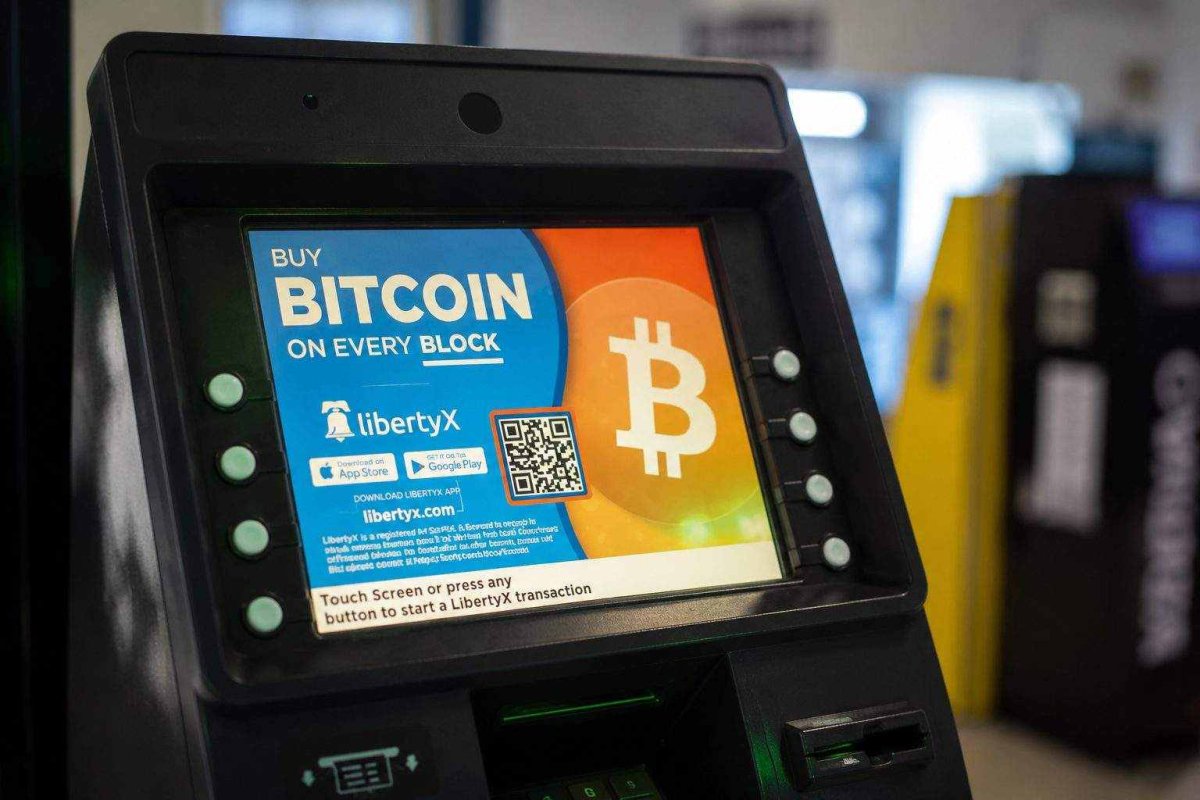
Spokane Valley, Washington, has escalated its fight against cryptocurrency kiosks, moving from warnings to an outright ban after police tied the machines to a surge in fraud and a suicide. Operators now have 30 days to remove their kiosks or face a $250 fine and potential license revocation. Police Chief Dave Ellis stated, "Those kiosks are a tool to facilitate scams," as reported by the Spokesman-Review.
National Scam Epidemic
The FBI's Internet Crime Complaint Center (IC3) logged 13,460 cryptocurrency ATM or kiosk complaints in 2025, totaling $389 million in losses. This marks a 23% increase in complaints and a 58% surge in losses from 2024. Among victims where age was recorded, individuals aged 60 and older accounted for $257.5 million of those losses, underscoring the vulnerability of older adults.
State and Local Actions
Minnesota took a major step by enacting SF3868 on May 5, 2026, signed by Gov. Tim Walz, which bans virtual currency kiosks statewide. The Senate passed it 57-10, and the House 127-7. James Glass, an AARP Minnesota volunteer, testified that scams had become widespread, with one Catholic nun tricked into depositing cash at a liquor-store kiosk. Industry groups like CoinFlip have urged the state to reconsider, citing harm to legitimate users and lack of banking access.
Legal and Regulatory Landscape
Legal actions are mounting. Attorneys general in Iowa and Washington, D.C., have sued Bitcoin Depot, CoinFlip, and Athena Bitcoin over fraud allegations, which the companies deny. In September, D.C. filed suit against Athena Bitcoin, claiming 93% of deposits at its bitcoin teller machines were linked to scams, with nearly half flagged as fraudulent. Victims had a median age of 71. The suit seeks restitution and penalties.
Indiana led the nation by banning the machines in 2026, followed by Tennessee. By 2026, lawmakers in 30 states had proposed crypto-kiosk bills, and 29 states have enacted laws covering warnings, transaction limits, licensing, and outright prohibitions. However, AARP warns that legislation alone cannot stop fraudsters.
Consumer Warnings
The Federal Trade Commission advises that legitimate businesses and government agencies will never demand cash, Bitcoin ATM transfers, or gift cards for protection. If anyone makes such a request, it is a scam. As crypto ATMs proliferate in gas stations and corner stores, regulators stress the difficulty of reversing digital currency transfers once made.