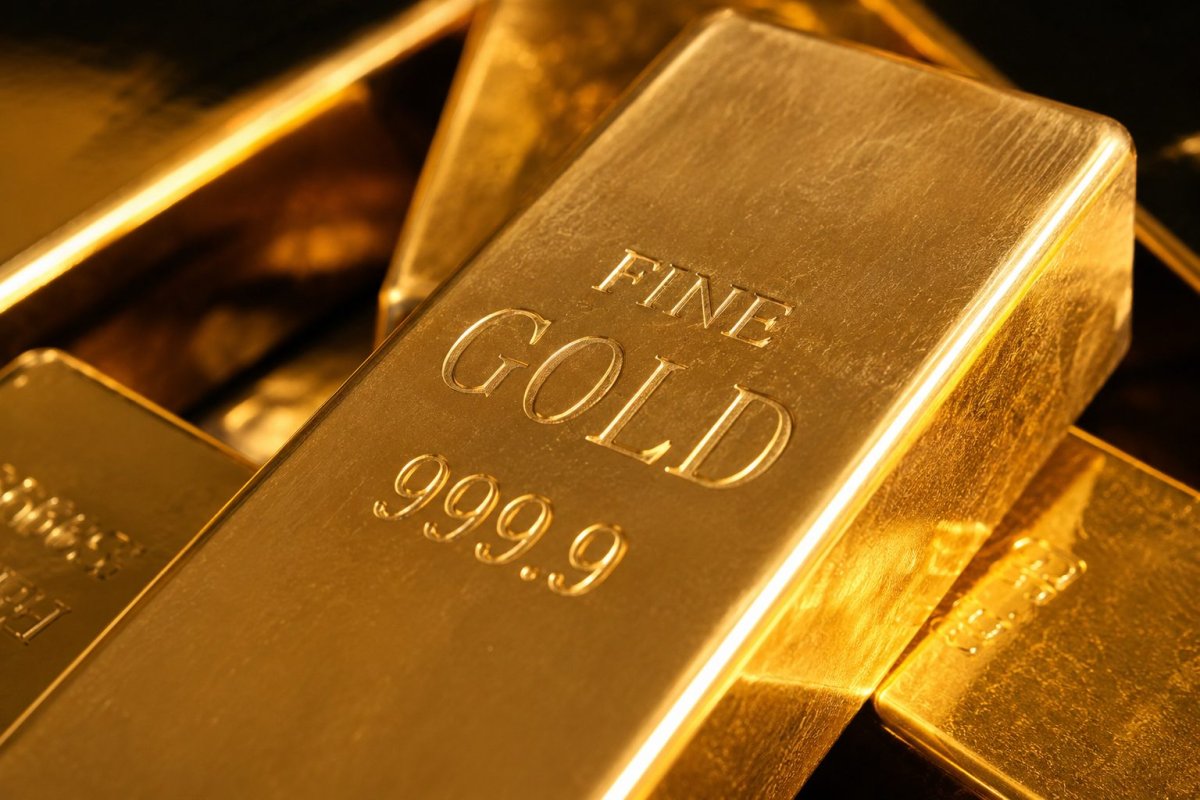
Gold prices extended their decline for a second consecutive session on Wednesday, as fresh U.S. inflation data dampened hopes for near-term rate cuts and kept the precious metal under pressure. Spot gold dropped 0.6% to $4,686.99 an ounce as of 09:05 a.m. EDT, while U.S. gold futures edged up 0.2% to $4,694.70. The pullback reflects growing expectations that the Federal Reserve will maintain its aggressive monetary tightening stance for longer than previously anticipated.
According to Peter Grant, vice president and senior metals strategist at Zaner Metals, gold's weakness over the past two days is primarily driven by markets increasingly bracing for 'higher rates for longer.' Investors are also closely monitoring the upcoming Trump-Xi meeting and ongoing tensions in the Middle East, which could influence safe-haven demand. Gold, which does not pay interest, typically loses ground when bond yields climb or when traders see the Fed sticking with tighter policy.
The latest inflation data reinforced these expectations. The Producer Price Index, which tracks wholesale inflation, posted a 1.4% jump for April—the sharpest monthly rise since March 2022. Nationwide senior economist Ben Ayers flagged the increase, noting it signals further increases for consumer prices in May. Meanwhile, the Consumer Price Index rose 0.6% in April and came in 3.8% higher than a year ago, marking the sharpest annual increase since May 2023, driven by advances in energy, food, and services prices.
This dynamic has muddied gold's traditional role as an inflation hedge. While rising inflation can boost demand for safe-haven assets, higher interest rates make holding gold more expensive. The 10-year Treasury yield pushed near levels not seen since July, piling more pressure on bullion. Overnight-indexed swaps now reflect over a 40% probability of a Fed rate hike before year-end, according to market data.
Despite the headwinds, losses have not spiraled. Yuxuan Tang, who leads Asia rates and FX strategy at JPMorgan Private Bank, pointed out that gold's 'asymmetric' reaction to rates is familiar territory, noting that gold prices stayed resilient when rates spiked in earlier cycles. Geopolitical tensions continue to provide support, with President Donald Trump arriving in Beijing on Wednesday for meetings with Chinese President Xi Jinping. Trade issues, U.S. business access in China, and the Iran war are all on the agenda, with Nvidia's Jensen Huang and Elon Musk among the executives involved in the visit.
In a separate development, India delivered a significant jolt to bullion markets by bumping import tariffs on gold and silver up to 15% from the previous 6%, in a bid to slow buying and support its foreign exchange reserves. Surendra Mehta at the India Bullion and Jewellers Association remarked that the hike could affect demand, with prices already elevated. Indian gold futures shot up 7.2% to 164,497 rupees per 10 grams early after the tariff hike, while silver jumped 8% to 301,429 rupees per kg.
India, the world's second-biggest gold buyer, relies almost entirely on imports to satisfy its appetite. In the fiscal year ending March, the country spent a record $84 billion on gold and silver imports, well above the $35.5 billion spent ten years prior. However, even with local gold prices up 443% over the decade, annual demand has not moved much, according to Reuters.
Precious metals painted a mixed picture. Silver hovered near $86.47 an ounce in Singapore, flat on the day but still up 17% in May. Platinum and palladium slipped, pointing to rates and policy risk—not just a broad metals pullback—as the likely drivers behind the latest move. Gold bears could get squeezed if safe-haven flows swamp rate-driven selling, especially if the standoff around the Strait of Hormuz drags on or inflation jitters escalate. Bulls, on the other hand, face a more straightforward threat: as traders back away from Fed cut bets—or even start leaning toward rate hikes—bullion would have to weather the hit from rising yields before geopolitical drivers can help.