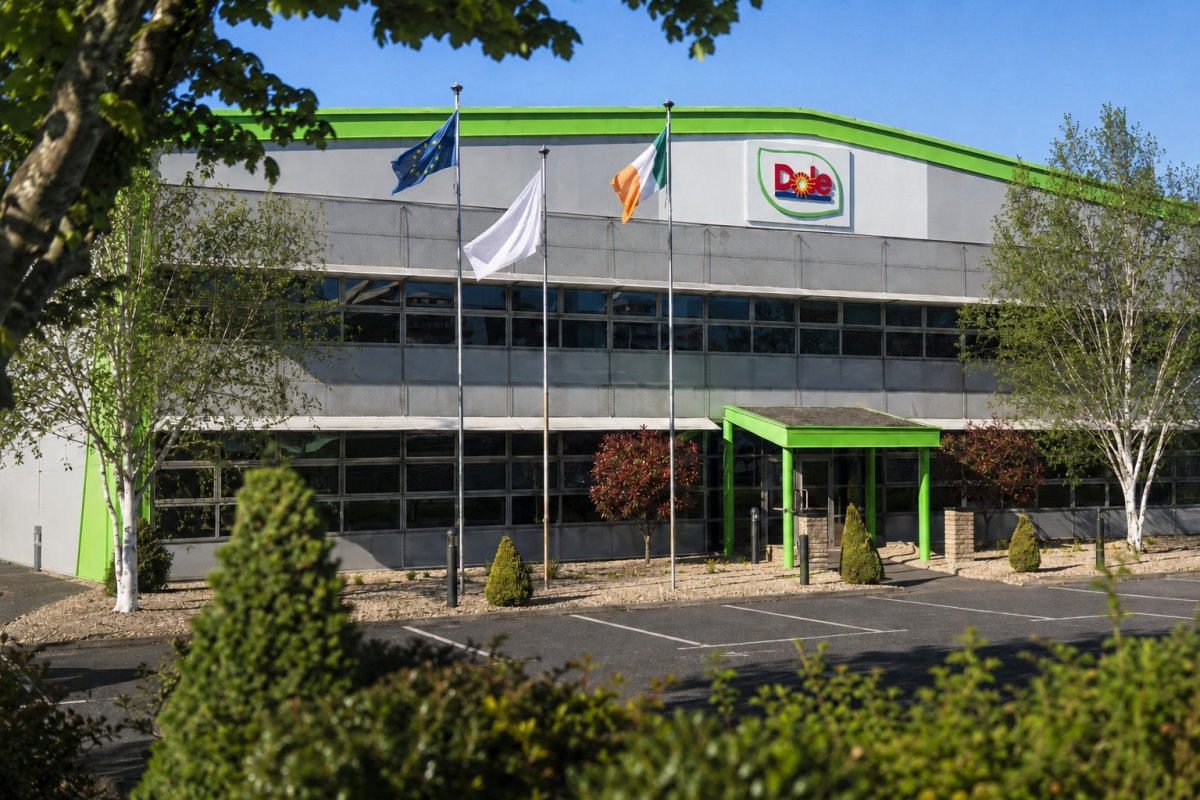
Publix's recent Class I recall of frozen blueberries has cast a fresh spotlight on Chile's berry supply chain and its implications for Dole plc (NYSE:DOLE). While Dole has been explicitly excluded from both the recall and the associated outbreak, investors are now focusing on potential margin pressures rather than direct product liability concerns.
The recall, which involves GreenWise frozen berry products sold at Publix, originates from Frutas y Hortalizas del Sur, a private supplier based in Chile. This distinction is significant for Dole, as the company also sources blueberries from Chile for its own operations. Any disruption in the region could tighten supply, push up sourcing costs, or lead to higher compliance expenses, without providing any meaningful boost to revenue.
Recall Details and Regulatory Actions
The recall covers four GreenWise frozen berry SKUs, including 10-ounce and 48-ounce packages, totaling approximately 182,000 units. The affected weight is estimated between 113,750 and 546,000 pounds, depending on package sizes. The FDA has linked 12 cases of illness in Florida and Georgia to the outbreak strain, with four hospitalizations reported. No fatalities have been recorded. Of the nine patients interviewed, seven reported eating frozen blueberries, and five identified GreenWise products purchased at Publix.
Beyond the retail recall, the FDA has placed Frutas y Hortalizas del Sur, Comfrut SA, and associated berry items on Import Alert 99-35, which allows shipments to be detained without physical inspection. Dole does not appear on this alert, providing some reassurance to investors.
Dole's Q2 2026 Financial Performance
Dole's latest quarterly results highlight how sensitive its margins are to sourcing disruptions. Revenue for Q2 2026 rose 2.9% year-over-year to $2.499 billion, but gross profit fell 10.5% to $195.3 million, translating to a gross margin of 7.81%—down 1.18 percentage points from 8.99% a year earlier. Adjusted EBITDA declined 14.8% to $116.8 million, while adjusted diluted EPS dropped 16.4% to $0.46.
The company attributed the margin compression to higher costs for fruit, fuel, and shipping. However, Dole's diversified business provided some balance. Revenue from the Americas and the rest of the world increased 13.9%, and adjusted EBITDA for that segment surged 33.8%, helped by higher North American volumes and improvements from a restructuring in berry operations. In contrast, Fresh Fruit adjusted EBITDA fell 30.9% due to increased sourcing and shipping expenses.
Outlook and Analyst Sentiment
Executive Chairman Carl McCann stated that Dole's results were “in line with our expectations.” The company maintains its 2026 adjusted EBITDA outlook of approximately $400 million, unchanged by the recall. Dole also declared a quarterly dividend of $0.085 per share, payable on October 7.
Analyst opinions on Dole remain mixed. According to StockAnalysis, S&P Global data shows a Buy rating with a $17.44 price target. MarketBeat lists a Hold consensus with a $15.50 target. Following earnings, Deutsche Bank maintained its Hold recommendation but reduced its price target to $14.00. Dole shares closed at $12.92 on August 18, about 22% below its 52-week high of $16.57.
Market Context and Risks
The broader market context is also relevant. The recall comes amid a period of tight margins for fresh produce companies, as input costs remain elevated. For Dole, the primary risks continue to be fuel, shipping, and fruit sourcing costs, rather than any direct impact from the recall. The company's Chilean operations provide direct access to blueberry production, which could benefit from stronger pricing if supply tightens, but also exposes it to increased regulatory scrutiny.
Investors should note that the exact volume recalled has not been fully specified, and there is no indication that Dole is connected to the outbreak. Import restrictions appear limited to designated suppliers, and blueberry prices may not be significantly affected. However, the episode serves as a reminder of how slim produce margins can be when supply chains experience pressure. A minor berry shortfall may not materially impact Dole's $2.5 billion quarterly revenue, but it underscores the fragility of the company's profitability in the face of external shocks.
