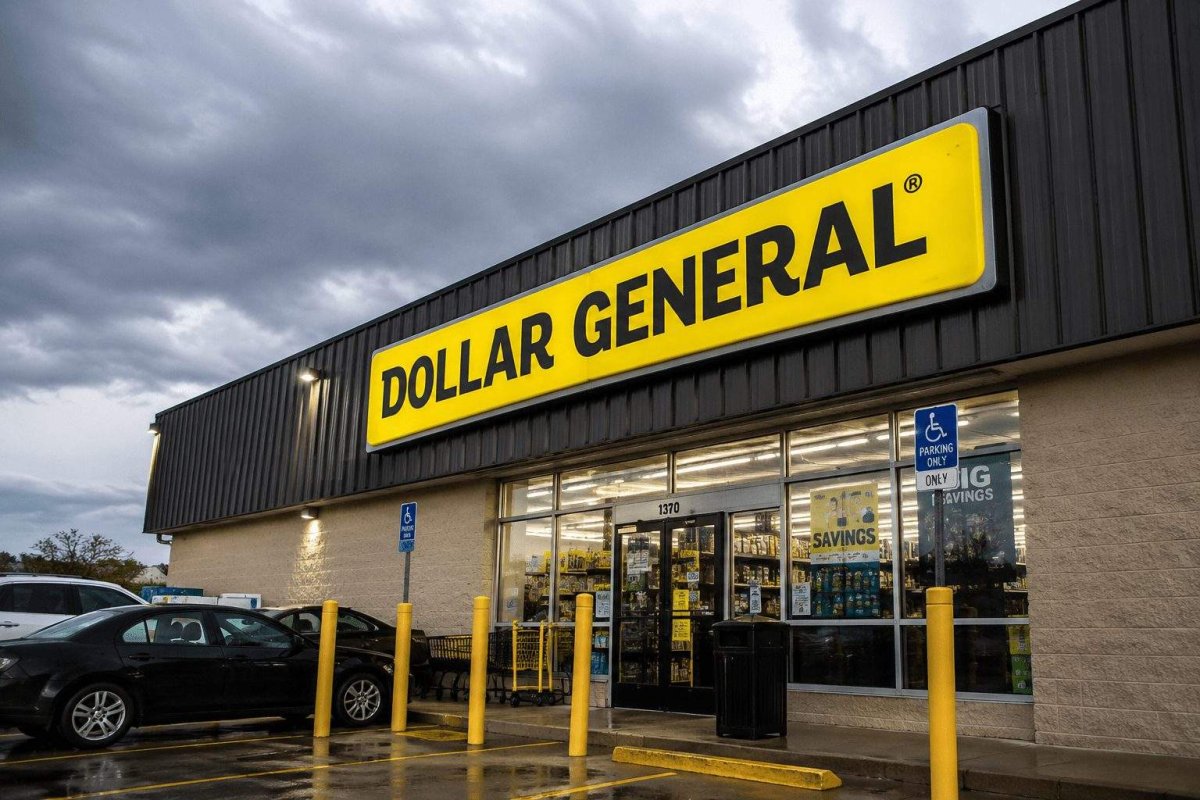
Dollar General lifted its full-year profit outlook on Thursday after reporting first-quarter results that surpassed Wall Street expectations, as the discount retailer benefited from a wave of higher-income customers trading down in response to elevated gasoline prices.
The company, based in Goodlettsville, Tennessee, said its core lower-income and rural shoppers are pulling back on spending, even on food, as gas prices remain above $4 per gallon. At the same time, more affluent households are increasingly visiting Dollar General for deals, boosting traffic at the chain known for quick, local shopping trips.
For fiscal 2026, Dollar General now expects earnings per share in the range of $7.20 to $7.45, up from its earlier forecast of $7.10 to $7.35. The revised guidance follows a first quarter where net sales rose 3.4% to $10.8 billion for the period ended May 1. Same-store sales climbed 2.0%, with customer traffic up 1.4% and a modest increase in average transaction size contributing the rest.
Profit growth accelerated during the quarter. Operating profit jumped 10.8% to $638.5 million, while diluted earnings per share came in at $2.00, up 12.4% from a year earlier. Gross margin widened to 31.6% from 31.0%, supported by improved markups and a reduction in shrink—inventory losses from theft, damage, or errors.
Chief Executive Todd Vasos noted on a conference call that the company saw “positive customer traffic and balanced category growth” despite harsh winter weather and higher fuel costs. He added that Dollar General is experiencing an “accelerated rate” of trade-down from grocery and drugstore shoppers, according to Grocery Dive. The biggest jump in traffic came from households earning over $100,000 a year.
Gas prices averaged $4.241 per gallon for regular on June 4, according to AAA, up sharply from $3.144 a year earlier. For rural customers, higher pump prices often translate into fewer grocery trips or smaller purchases. Dollar General is responding by expanding its value offerings, now with over 2,000 items priced at $1 or less. The company’s Value Valley line saw comparable sales rise 18.4%, while delivery sales contributed about 0.70 percentage point to same-store sales growth.
Delivery services are expanding rapidly. Dollar General now offers delivery from approximately 18,000 stores through its own myDG service as well as DoorDash and Uber Eats. More than 80% of orders are fulfilled within an hour, a convenience that executives say resonates in small towns where customers aim to save both time and fuel.
The trade-down trend is also benefiting Dollar General’s rivals. Dollar Tree reported net sales up 7.2% to $5.0 billion last week, with comparable-store sales rising 3.5%. Reuters noted that Walmart and other discount retailers are seeing shoppers focus more on essentials and value as fuel costs climb.
Analysts offered a mix of optimism and caution. CFRA’s Arun Sundaram told Reuters that Dollar General demonstrated “operational discipline and margin improvement” in a tough consumer environment. Jefferies analyst Corey Tarlowe highlighted that the quarter’s strength was “not reliant on a single lever,” citing store growth, remodels, supply-chain spending, digital initiatives, and value merchandising.
However, Telsey Advisory Group analyst Joe Feldman flagged concerns about heightened competition and promotional activity. He also pointed to the upcoming CEO transition—JJ Fleeman is set to take over from Vasos on January 1, 2027—warning that it could bring “disruption and strategic changes.”
Dollar General shares were indicated at $105.09 in premarket trading Thursday, down $1.20 from the prior close. Meanwhile, Dollar Tree and Walmart shares posted early gains, suggesting traders continue to favor value-oriented retailers as budget-conscious consumers face another round of rising costs.