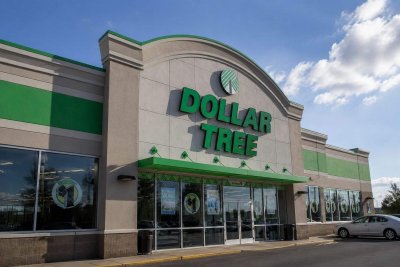
Shares of Dollar Tree Inc. (NASDAQ: DLTR) fell 3.9% on Thursday after the discount retailer issued a weaker-than-expected profit forecast for the third quarter, prompting investors to look past a robust second-quarter performance. The stock closed at $127.00, down $5.18, with about 5.56 million shares changing hands.
Q2 Results Beat, But Guidance Disappoints
Dollar Tree reported second-quarter revenue of $4.89 billion, a 7.0% increase year-over-year, driven by a 3.7% rise in comparable sales. Traffic edged up 0.4%, while average ticket size grew 3.3%. However, the company's outlook for the current quarter fell short of Wall Street's expectations, with adjusted earnings per share projected between $0.80 and $0.95, well below the consensus estimate of $1.40.
The conservative guidance reflects management's decision to reinvest a portion of $383 million in tariff reimbursements into pricing, marketing, and store operations. While this move is aimed at maintaining customer loyalty and competitive positioning, it compresses near-term profitability and complicates the assessment of underlying margin trends.
Margin Boost From One-Time Benefits
Gross margin expanded to 42.9%, an improvement of 850 basis points, but 680 basis points of that gain came from tariff refunds, indicating that the majority of the margin expansion was non-recurring. Adjusted diluted EPS came in at $2.70, which included a $1.31 benefit from the refunds. Operating income nearly tripled to $690 million, with operating margin reaching 14.1%.
Chief Executive Mike Creedon emphasized the company's value proposition, citing "value, convenience, and the excitement of discovery." The retailer also posted its first quarterly increase in customer traffic in four periods, a positive sign for the core business.
Expansion and Cash Flow
During the quarter, Dollar Tree opened 75 new stores and converted or added approximately 710 locations to its multi-price format, bringing the total to nearly 6,600 multi-price stores. Cash generation also improved, with operating cash flow of $922 million and free cash flow of $675 million from continuing operations.
The company repurchased $605 million worth of shares during the quarter. As of August 1, it had $2.5 billion remaining under its buyback authorization and held $1.1 billion in cash.
Full-Year Outlook and Analyst Sentiment
For the full fiscal year, Dollar Tree expects sales between $20.5 billion and $20.7 billion, with adjusted EPS of $7.70 to $8.05. This guidance includes a net benefit of about $0.60 from tariff refunds. Management also forecasted comparable sales growth of 3% to 4% for the third quarter, but warned that refund reinvestment would reduce EPS by roughly $0.50.
Wall Street remains cautious. A survey of 20 analysts shows a consensus Hold rating, with an average price target of $127.90, almost exactly at Thursday's closing price. Analysts point to potential risks from tariff policy shifts, higher fuel costs, weaker discretionary spending, and intense price competition. Conversely, stronger traffic growth or better shrink management could push results above the guidance range.
Investors will be watching whether Dollar Tree's strategic investments pay off in the form of sustained customer loyalty and improved long-term margins, or if the near-term earnings hit signals deeper competitive pressures.