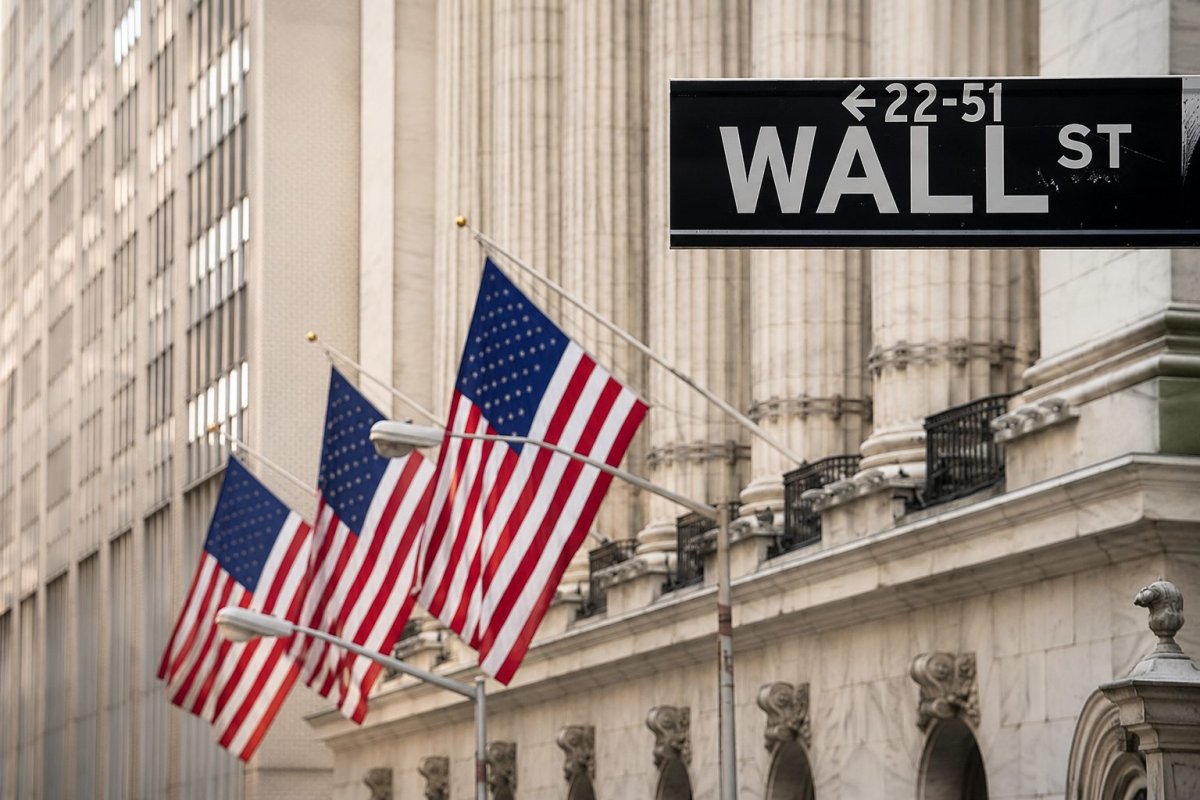
Wall Street closed higher on Thursday, with the Dow Jones Industrial Average reclaiming the 50,000 mark and the S&P 500 and Nasdaq Composite both notching record highs. The rally was fueled by renewed enthusiasm for artificial intelligence stocks, led by a surge in Cisco Systems after the networking giant raised its full-year AI infrastructure forecast and announced job cuts.
Cisco Leads AI Charge
Cisco shares jumped after the company reported $5.3 billion in AI infrastructure orders from hyperscalers this fiscal year, up from its previous estimate. The company boosted its full-year order outlook to $9 billion from $5 billion, signaling strong demand for networking gear tied to AI data centers. Cisco also announced plans to eliminate fewer than 4,000 positions as it reallocates resources toward AI, silicon, optics, and security.
"Hyperscaler capex spilling downstream," said Ryan Lee, senior vice president of product and strategy at Direxion, noting that AI spending is expanding beyond just chips. The shift has investors viewing Cisco less as a legacy hardware company and more as a data-center infrastructure play.
Nvidia, Cerebras Gain
Nvidia shares also rose after Reuters reported that the U.S. government approved the sale of its H200 chips to about 10 Chinese companies. The move signals a potential easing of export restrictions, boosting sentiment for the AI chip leader.
In a major IPO debut, Cerebras Systems surged 89% above its $185 initial public offering price, marking the largest IPO this year. "The amount we use them will explode," said Cerebras CEO Andrew Feldman, pointing to the growing demand for smarter AI models. However, some analysts cautioned about the company's valuation. "Quite high even out to 2028," said Nicholas Smith, senior research analyst at Renaissance Capital, describing Cerebras' post-debut valuation.
Economic Data in Focus
On the economic front, U.S. retail sales rose 0.5% in April, matching forecasts, while core sales also increased by 0.5%. However, the upticks were partly driven by higher prices, highlighting a divided consumer landscape where wealthier households continue spending while lower-income groups feel the pinch.
The Labor Department reported a 12,000 increase in jobless claims, bringing the total to 211,000. While the numbers remain historically low, they do not provide urgency for the Federal Reserve to cut interest rates. Kansas City Fed President Jeffrey Schmid labeled inflation the "most pressing risk" to the economy.
Bond Yields, Oil Prices Weigh
Despite the stock market gains, bond yields remained elevated, with investors expecting long-term Treasury yields to stay high as oil prices persist at elevated levels. Brent crude finished the session at $105.72 per barrel, well above pre-Iran war levels, as President Donald Trump met with Chinese President Xi Jinping in Beijing.
Prediction markets reflected a similar rates story. Kalshi contracts implied a 97% chance the Fed holds rates steady in June, with odds of no cut before 2027 at 64%.
Market Outlook
Wall Street remains focused on earnings and AI capital expenditure, with the broader question being whether AI appetite will spread beyond chip giants. Inflation's trajectory will be key in determining whether bonds continue to weigh on the rally.