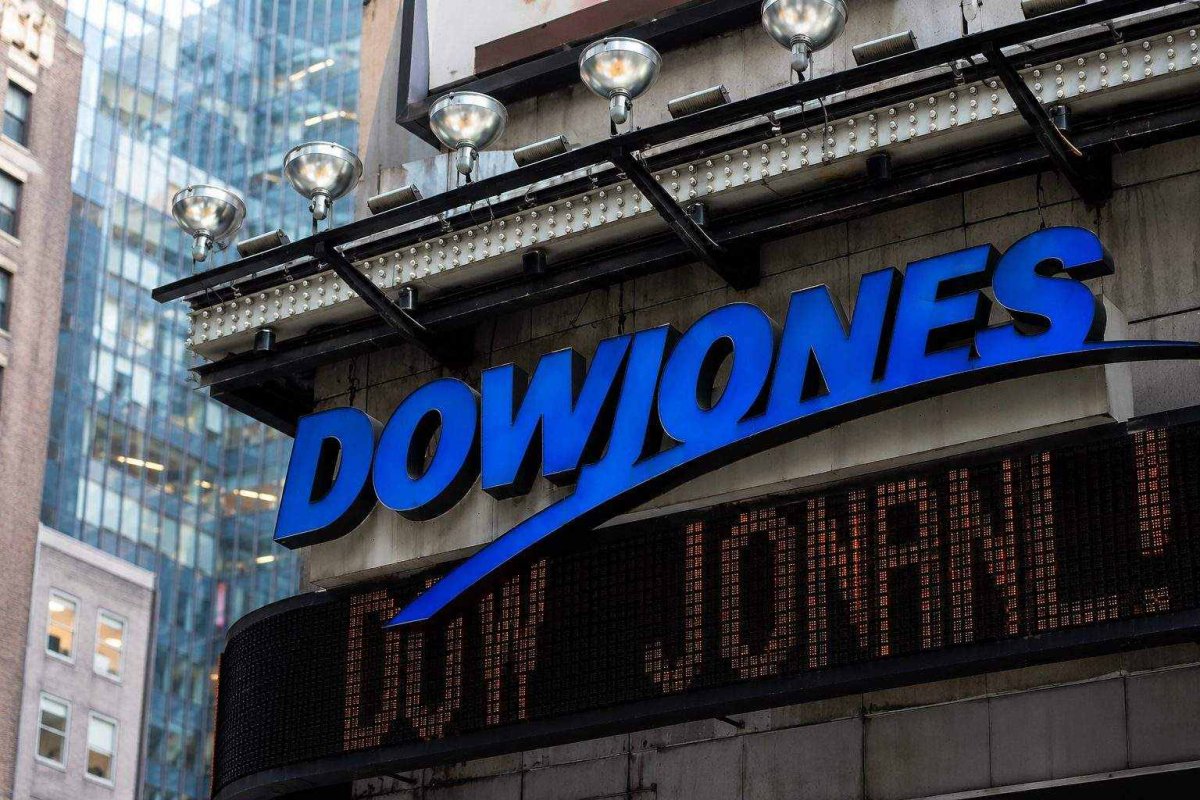
The Dow Jones Industrial Average closed above the 50,000 mark on Thursday, advancing 329.85 points, or 0.66%, to end at 50,023.05. The blue-chip index was propelled by a strong performance from Cisco, which surged 12.8% to a record high after the company raised its full-year revenue forecast and announced a restructuring plan centered on artificial intelligence.
The broader market also posted gains, with the S&P 500 rising 0.64% to 7,492.33 and the Nasdaq Composite adding 0.77% to close at 26,604.97. The rally extended beyond the largest chip stocks, as AI continued to dominate as the primary market driver. However, hopes for Federal Reserve rate cuts remained subdued amid persistent inflation and rising oil prices.
Cisco's AI-Driven Surge
Cisco's fiscal third-quarter revenue jumped 12% year over year to $15.8 billion, beating expectations. The company projected revenue between $16.7 billion and $16.9 billion for the upcoming quarter and set a fiscal 2026 target of $62.8 billion to $63.0 billion. Notably, data center switching orders climbed more than 40% year over year, underscoring the critical role these switches play in routing traffic for cloud and AI computing centers.
As part of its restructuring, Cisco announced plans to cut nearly 4,000 jobs, redirecting resources toward AI and future growth initiatives. The news sent Cisco shares to an all-time high and lifted sentiment across the tech sector.
Mixed Signals in Chip Stocks
While Cisco soared, other chip stocks showed divergent performance. Nvidia shares rallied after a Reuters report indicated that the U.S. had approved H200 chip sales to Chinese customers. In contrast, Qualcomm, Intel, Sandisk, and Micron each slipped between 1.9% and 5.9%, highlighting that the AI boom is not lifting all semiconductor companies equally.
Economic Data and Fed Outlook
Economic data released Thursday provided some support for equities. April retail sales rose 0.5%, in line with expectations, while initial jobless claims increased by 12,000 to 211,000, still at historically low levels. However, import prices surged 1.9% in April, the steepest monthly increase since March 2022, keeping inflation concerns front and center.
Kansas City Fed President Jeffrey Schmid described inflation as the biggest "pressing risk" facing the U.S. economy. According to prediction markets, the odds of zero Fed rate cuts in 2026 stood at 72% on Polymarket, while on Kalshi, the "exactly 0 cuts" scenario led with 54%. This wariness limited the market's upside despite the strong economic data.
Trade and Oil in Focus
Trade and oil remained key undercurrents. President Donald Trump met with Chinese President Xi Jinping in Beijing, discussing trade, Taiwan, and the Strait of Hormuz, a vital chokepoint for oil shipments. Oil prices slipped, with U.S. crude closing at $100.75 a barrel and Brent at $105.07. The 10-year Treasury yield edged down to 4.451%.
Risk Appetite and IPO Activity
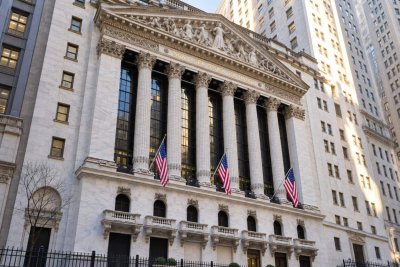
Risk appetite was evident beneath the surface. On the New York Stock Exchange, advancing stocks outpaced decliners by a ratio of 1.85 to 1, while on the Nasdaq, the ratio was 1.53 to 1. Chipmaker Cerebras surged nearly 90% above its IPO price during its U.S. debut, adding speculative momentum to the session.
Despite the upbeat tone, risks remain. High oil prices could keep import costs elevated, and if inflation persists, the Fed may hold rates higher for longer than stock bulls anticipate. This could pressure a rally that has been fueled by AI spending, solid earnings, and consumer resilience.
The Dow's close above 50,000 gives bulls the headline they were seeking. The key question now is whether Cisco's surge signals a genuine profit wave for AI infrastructure or is merely another pop in a market brimming with optimism.