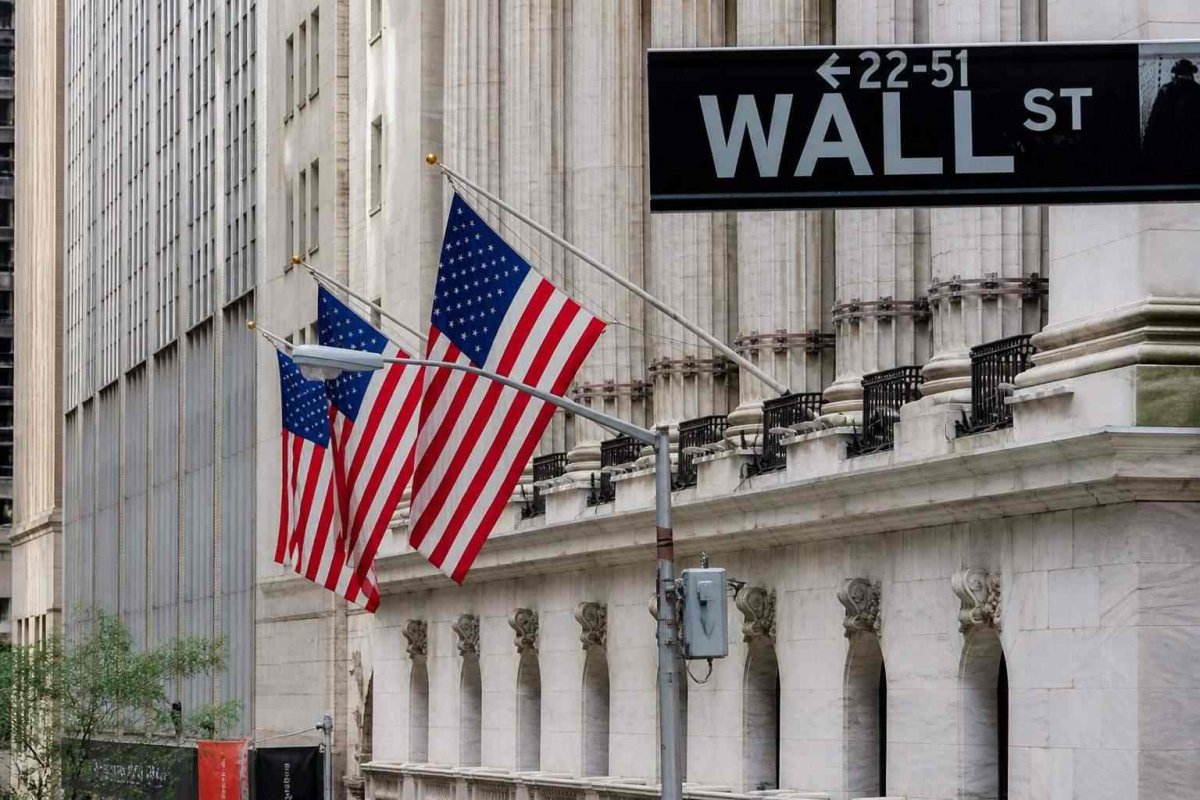
U.S. stock futures edged lower early Monday, as geopolitical tensions in the Middle East sent crude prices surging and cast a shadow over Wall Street's recent record-breaking streak. Dow Jones Industrial Average futures fell 181 points, or 0.36%, while S&P 500 futures slipped 0.08% and Nasdaq 100 futures hovered near flat as of 6:50 a.m. ET, according to market data.
The move lower followed unconfirmed reports from Iran's Fars news agency claiming two missiles struck a U.S. warship near Jask, along the Strait of Hormuz — a strategic chokepoint for global oil shipments. Reuters said it could not verify the report, while Axios cited a senior U.S. official who denied any American vessel had been hit.
Oil prices reacted sharply, with both Brent crude and U.S. West Texas Intermediate climbing roughly 5% in early trading. Crude held above $100 a barrel, a level that continues to stoke inflation concerns and complicates the Federal Reserve's policy path. UBS analyst Giovanni Staunovo noted, "The path for prices remains skewed to the upside as long as flows through the Strait remain restricted."
The dip comes after a sustained rally. On Friday, the S&P 500 and Nasdaq Composite both closed at fresh record highs, marking their sixth consecutive weekly gain. Analysts polled by LSEG expect first-quarter S&P 500 earnings to have surged 27.8% year-over-year, according to Reuters.
In corporate news, eBay shares jumped 10% in premarket trading after GameStop made a massive $56 billion acquisition bid. However, eBay's stock remained well below GameStop's $125 offer price, signaling investor skepticism about the deal's feasibility. Bernstein analysts pointed to financing challenges, saying they would be "even more surprised if anything became of it." GameStop shares fell about 3%.
Berkshire Hathaway drew attention after reporting first-quarter operating profit up 18%, while its cash pile reached a new record of $380.2 billion. The conglomerate sold $8.1 billion more in stocks than it purchased during the quarter, extending its streak as a net seller to 14 consecutive quarters — a trend many investors view as a commentary on current market valuations.
Federal Reserve jitters resurfaced after Minneapolis Fed President Neel Kashkari warned that the conflict in the Middle East was limiting the central bank's ability to provide clear rate guidance. He cautioned that if inflation heats up, policymakers could be forced to reverse course. Barclays subsequently scrapped its expectation for a 2026 rate cut, citing persistent oil prices that would keep inflation elevated and drag on growth.
Brian Jacobsen, chief economic strategist at Annex Wealth Management, summed up the market's mood: "Markets can look through the fog of war if the fog is likely to lift within a reasonable amount of time." He added that the key for investors is determining whether the oil shock is temporary or prolonged.
Looking ahead, the big concern remains whether oil spikes will persist. If the Strait of Hormuz remains disrupted or new attacks emerge, fuel inflation could accelerate, bond yields may climb, and investors might trim earnings multiples — just as indexes hover near their peaks. Conversely, clear de-escalation would likely shift focus back to earnings as the primary market driver.