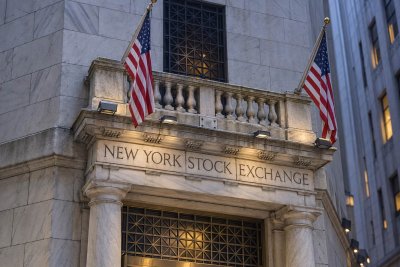
U.S. equity futures pointed to a higher open on Monday, with the Dow Jones Industrial Average poised to outperform its tech-heavy counterparts. Dow E-minis climbed 1.12%, while S&P 500 futures advanced 0.55% and Nasdaq 100 futures inched up just 0.16%. The divergence underscores a market rotation toward value and cyclical sectors, away from technology names that have led the rally for much of the past year.
The catalyst for the move appears to be a sharp drop in oil prices. Brent crude fell 6.6% to near $83 per barrel, while West Texas Intermediate (WTI) slid 6.8% to $78.90. This pullback follows a more than 20% surge in energy prices during July, which had stoked inflation concerns and weighed on equities. The retreat in crude offers some relief to consumers and businesses, potentially easing pressure on profit margins and the Federal Reserve's policy outlook.
Treasury yields also moved lower, with the two-year note slipping 5.4 basis points. The ten-year yield was at 4.682%. Lower yields reduce the discount rate on future earnings, which typically supports stock valuations, particularly for growth-oriented technology companies. However, the muted response in Nasdaq futures suggests that investors remain cautious about the sustainability of the rally in tech shares.
The economic calendar is busy, with the ISM manufacturing index for July due at 10:00 a.m. ET. Economists expect the reading to come in at 54.0, up from 53.3 in June. A stronger-than-expected figure could signal resilience in the manufacturing sector but might also reignite inflation fears, pushing yields higher and potentially reversing the premarket gains. Additionally, the S&P Global manufacturing PMI final reading is due at 9:45 a.m., along with construction spending data.
In corporate news, Ferguson Enterprises (FERG) jumped 8.5% in premarket trading after S&P Dow Jones Indices announced the company will be added to the S&P 500 index before Wednesday's open. The inclusion is expected to trigger buying from passive funds that track the index. Palantir Technologies (PLTR) rose 2.9% ahead of its quarterly earnings report due later this week, while Advanced Micro Devices (AMD) slipped 2.3% also ahead of its results. Micron Technology (MU) dropped 3.9% after a Chinese competitor announced capacity expansion plans, raising concerns about oversupply in the memory chip market.
Marriott International (MAR) fell 3.9% after the hotel operator issued a third-quarter earnings outlook that came in below analyst expectations. The company projected adjusted earnings per share of $2.74 to $2.82, versus the consensus of $2.87. Tyson Foods (TSN) declined 2.5% after cutting its full-year earnings outlook, citing challenging market conditions.
Federal Reserve officials have offered mixed signals on the path of monetary policy. New York Fed President John Williams expressed cautious optimism, saying he expects inflation to come down in the second half of the year, but added that policymakers would act if price pressures persist. His comments come as markets price in a 62.7% probability of a rate hike in September, according to CME Group's FedWatch tool.
Earnings season has provided some support, with more than half of S&P 500 companies having reported results. Of those, 86% have beaten profit forecasts, according to data from Reuters. "Earnings have generally held up well," said Bruno Schneller, managing partner at Erlen Capital. However, technology stocks remain vulnerable to valuation concerns. The Nasdaq Composite fell 3.2% in July, while the S&P 500 slipped 0.1% and the Dow edged up 0.3%.
Geopolitical risks persist, with Iran denying reports of planned negotiations with the U.S. Any escalation in the Middle East could send oil prices back up, undermining the current relief rally. The market's breadth will be key to sustaining Monday's advance. If the Nasdaq can close the gap with the Dow and crude remains subdued, the rally may have legs. Otherwise, it could prove fleeting, dependent on a single, unstable geopolitical premise.