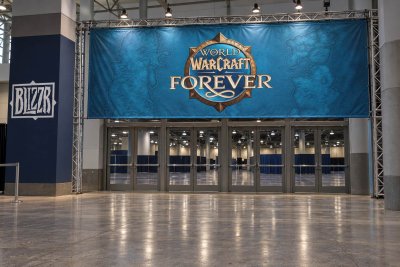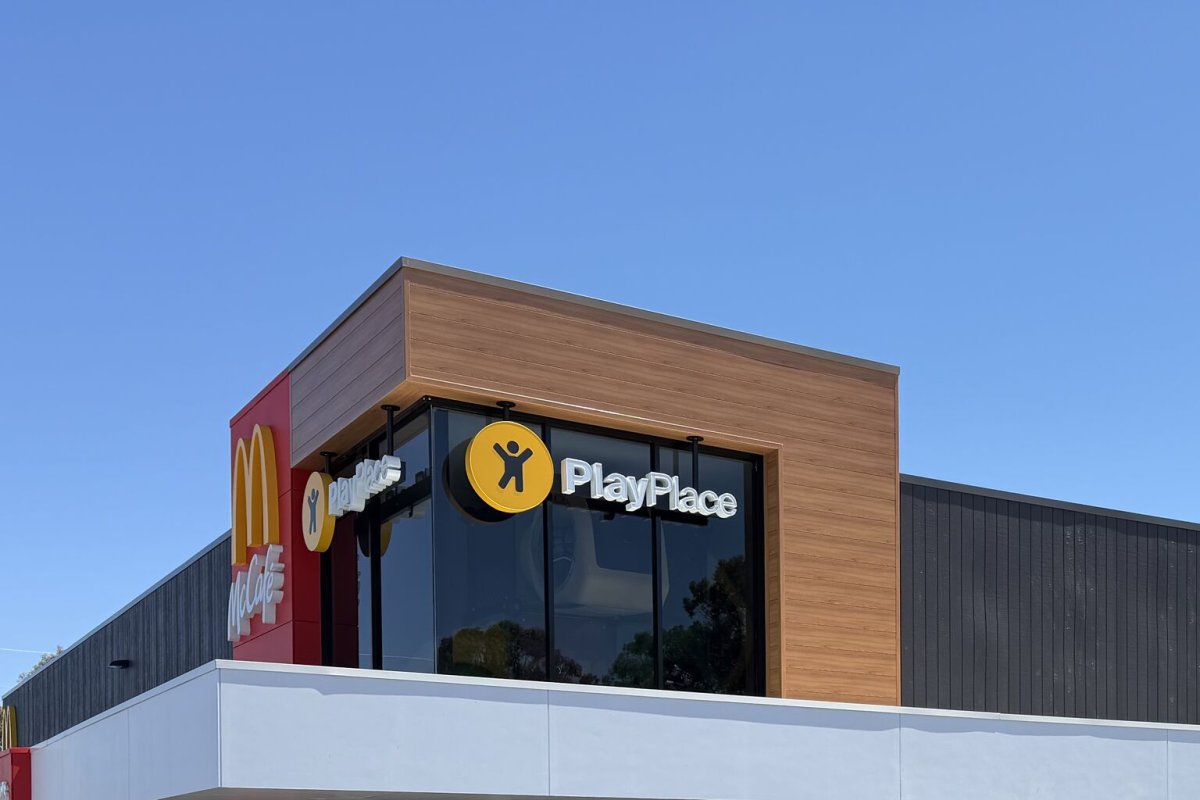
McDonald's Australia has unveiled a novel promotional campaign that links the upcoming World of Warcraft: Forever beta to its MyMacca's loyalty program. For just 1,000 MyMacca's Rewards points, customers can claim a beta key, a deliberately accessible price point designed to drive engagement with the fast-food giant's mobile application.
The offer, detailed on the official promotion page, allows one key per MyMacca's account and per person, while supplies last. At the standard earn rate of 100 points per A$1 of eligible spending, 1,000 points equate to approximately A$10 in purchases. The redemption window closes on Oct. 20 at 11:59 p.m. AEDT, with the beta scheduled to end on Oct. 22.
Notably, no active World of Warcraft subscription is required to participate in the beta. Blizzard's launch timetable places the full release at 3 p.m. Pacific on Nov. 4, which corresponds to Nov. 5 in Australia. The finished game will require game time or a subscription, making the beta a potential gateway for new players.
Strategic Implications for McDonald's
For McDonald's (NYSE: MCD), the true value of this promotion lies not in the direct cost of the game codes but in the customer behavior it incentivizes. By requiring customers to open the app, log in, and consider their points balance, McDonald's reinforces its digital ecosystem—a core pillar of its growth strategy.
In its second-quarter earnings release on Aug. 4, McDonald's reported that systemwide sales to loyalty members across 70 markets reached $40 billion over the trailing twelve months, a year-over-year increase of more than 20%. The company also counted nearly 220 million 90-day active loyalty users at quarter-end, up 13% from the prior year. These figures underscore the importance of loyalty-driven engagement, though systemwide sales include franchised operations and should not be confused with corporate revenue.
The beta offer's point requirement of 1,000 is notably lower than the 2,500-to-12,000-point range seen for other partner rewards on the MyMacca's platform. This accessibility likely aims to maximize participation, but it also limits the conclusions investors can draw. McDonald's has not disclosed the number of keys available, redemption volumes, reimbursement terms, or any incremental food sales generated. A customer spending points already in their account may not make any additional purchase, diluting the direct revenue impact.
Blizzard and Microsoft's Perspective
For Microsoft's Blizzard (NASDAQ: MSFT), the arrangement offers a low-cost channel to place a pre-release game in front of an audience outside its typical store funnel. The terms are precise: Blizzard provides the reward, but the promotion is not organized or administered by Blizzard. This distinction matters because McDonald's controls the loyalty transaction while Battle.net handles the game code distribution.
This marketing push comes after a challenging gaming quarter for Microsoft. The company reported a 10% decline in Xbox content and services revenue in the June quarter. A free beta could seed future subscriptions and rekindle interest in a long-running franchise, but a single Australian distribution deal will not establish a turnaround. Investors will look for launch conversion rates, active-player retention, and a return to growth in Microsoft's Xbox content and services revenue as more meaningful indicators.
Market Reaction
Shares of both companies showed modest gains on Sept. 17, though not necessarily attributable to the promotion. McDonald's traded at $249.84, up 0.5% from its prior close of $248.56, while Microsoft shares rose 1.1% to $495.50 from $490.30. The reward was already available before the session, and the moves were too small to link directly to the campaign.
Conclusion
The strongest case for this promotion is narrow but strategic: an A$10-equivalent reward gives McDonald's another reason to make its app the gateway to third-party entertainment, while Blizzard gains a measurable acquisition channel. The counterargument is equally concrete: without disclosed key inventory, redemption data, and incremental spend metrics, the campaign serves as evidence of digital distribution rather than material revenue. For now, the promotion remains a clever engagement play rather than a financial game-changer.