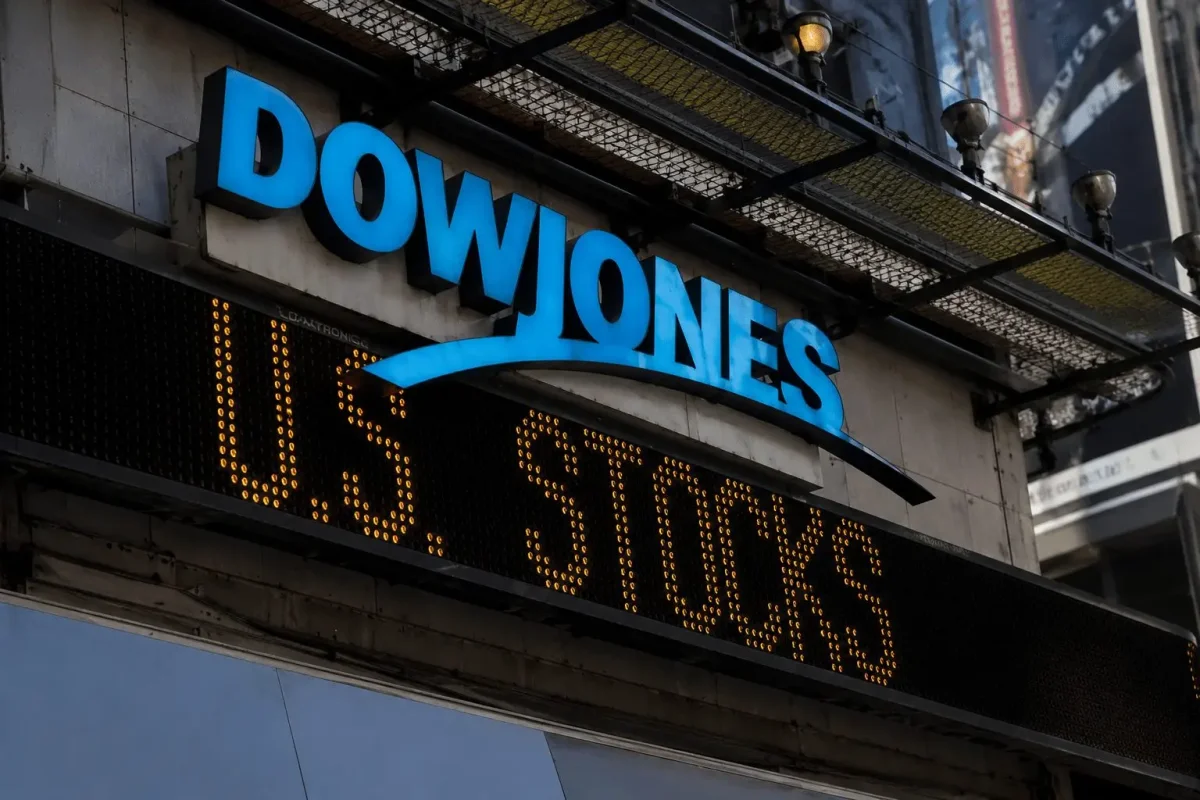
The Dow Jones Industrial Average reached a new intraday record on Tuesday, climbing approximately 0.7% to 52,031.80, as declining oil prices alleviated inflationary pressures and spurred buying in economically sensitive sectors. The blue-chip index added 360.77 points, with financial and industrial stocks leading the advance, according to Reuters.
Oil's Decline Fuels Market Optimism
The drop in oil prices, with Brent crude falling over 3% toward a three-month low, helped reduce inflation expectations by lowering costs across transportation, production, and consumer goods. This shift prompted investors to rotate into sectors beyond big tech, with seven of the 11 S&P 500 sectors posting gains. Financials were at the forefront, with Goldman Sachs, JPMorgan, and Bank of America all rising. Energy stocks lagged as oil prices slid.
The rally extended Monday's gains, which were sparked by reports of a preliminary U.S.-Iran peace agreement aimed at ending hostilities and reopening the Strait of Hormuz, a critical oil shipping route. Gene Goldman, chief investment officer at Cetera Investment Management, described the session as a "classic relief rally," noting that cheaper oil was easing inflation worries and drawing investors back into risk assets. However, Reuters noted skepticism about the deal, with shipping companies cautioning that it could take weeks for confidence to return even if Hormuz traffic resumes.
Federal Reserve in Focus
Market attention now shifts to the Federal Reserve's two-day policy meeting, which concludes Wednesday. The central bank is expected to hold its policy rate steady at 3.50%–3.75%, but traders are keenly awaiting Chair Kevin Warsh's first press conference, scheduled for 2:30 p.m. ET. "All eyes are on Warsh's press conference," said Thomas Hayes, chairman at Great Hill Capital, as any shift in tone could signal future policy direction. UBS Global Wealth Management has dropped its call for rate cuts in 2026, now anticipating a more hawkish stance from the Fed.
Market Outlook and Risks
Bullish investors see a clear path forward: if oil continues to decline, it could further ease inflation, reduce pressure on the Fed, and sustain demand for bank, industrial, and consumer stocks. Conversely, bears caution that the Dow is already at record highs, Middle East geopolitical risks remain, and CME FedWatch data indicates traders still assign roughly a 42% probability of a 25-basis-point rate hike in December. The index appears fully valued, with momentum strong but gains vulnerable if the Fed maintains a hawkish posture or oil prices rebound.
The Dow Jones Industrial Average, a price-weighted index tracking 30 blue-chip U.S. stocks, is more influenced by higher-priced shares. Tuesday's move reflects a broad-based rally supported by easing energy costs and a shift away from reliance on mega-cap technology names.