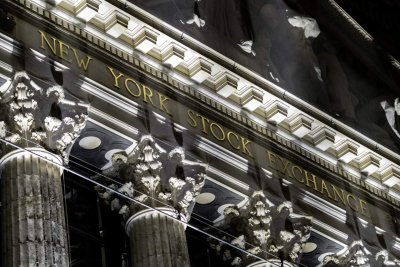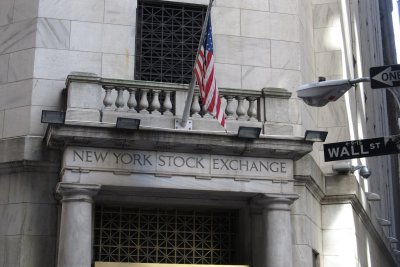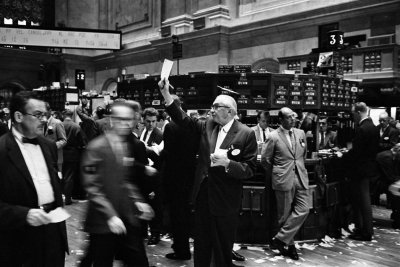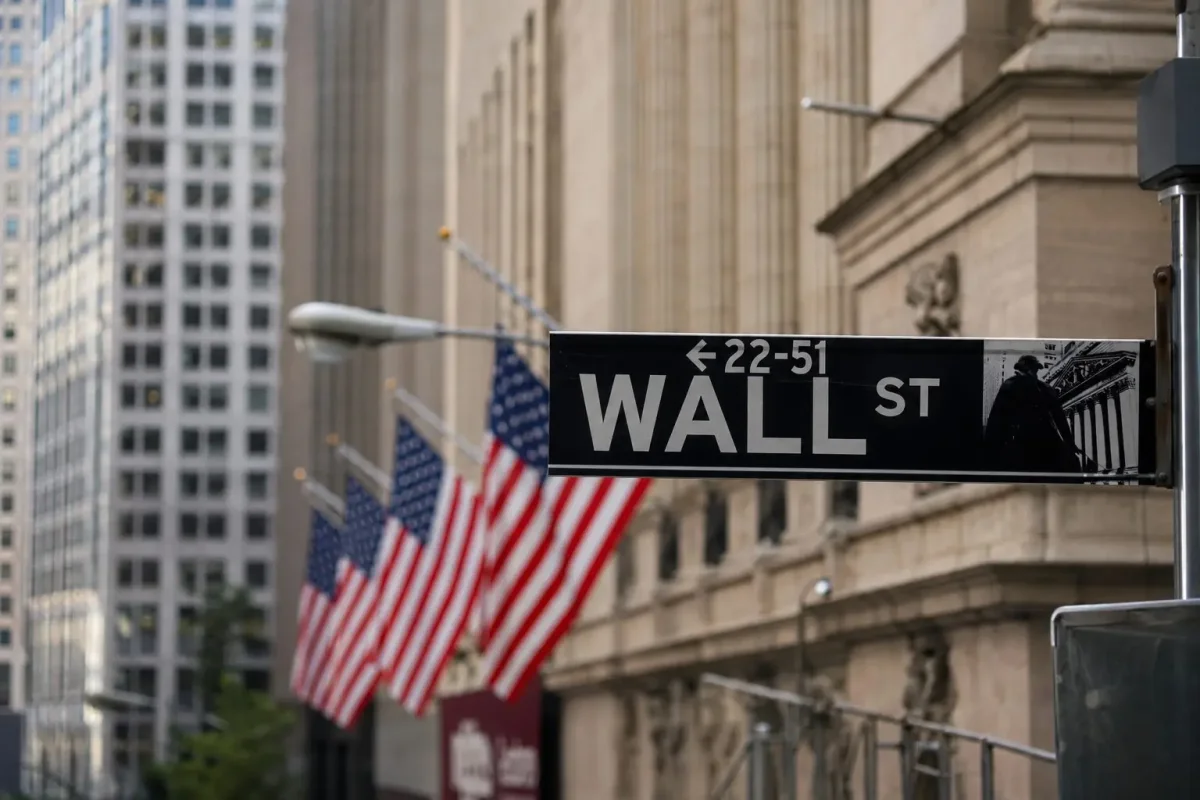
NEW YORK, July 14, 2026 — An extraordinary intraday tug-of-war between two Dow components masked a firmer close for U.S. equities on Tuesday, as investors cheered the first clear sign of inflation relief in months.
The Dow Jones Industrial Average barely budged, adding just 28.92 points, or 0.05%, to close at 52,527.56. However, beneath the surface, Goldman Sachs (NYSE:GS) generated an estimated 477-point boost, while IBM (NYSE:IBM) exerted a 445-point drag, creating a gross swing of 922 points. This dynamic highlighted the quirks of the Dow's price-weighted index, where high-priced stocks like Goldman, which traded near $1,140, wield outsized influence over the average.
In contrast, the broader market showed more strength. The S&P 500 rose 0.38% to 7,544.03, and the Nasdaq Composite gained 0.91% to 26,109.65, led by a rebound in chip stocks.
The divergence was driven by a sharp drop in June consumer prices. The Consumer Price Index fell 0.4% from May, the largest monthly decline since April 2020, while core prices were unchanged. Annually, headline inflation slowed to 3.5% and core to 2.6%. This data pushed the probability of the Federal Reserve holding rates steady in July to 83.4%, up from 58.3% on Monday. “It gives the Fed cover, for now,” said Chuck Carlson, chief executive of Horizon Investment Services.
Goldman Sachs delivered the upside shock. The bank reported second-quarter profit of $6.63 billion, or $20.98 per share, far exceeding the $14.48 analysts had expected. Equities-trading revenue surged 72% to a record $7.42 billion, and investment-banking fees rose 55% to $3.4 billion. “Momentum has accelerated throughout our businesses,” said CEO David Solomon. Analysts at JPMorgan (NYSE:JPM) led by Kian Abouhossein called the results a “significant exceedance.”
IBM provided the downside. Preliminary revenue rose just 1% to $17.2 billion, with software growth of 5% offset by a 7% decline in infrastructure. CEO Arvind Krishna acknowledged execution failures, noting that several large deals failed to close on schedule. “This quarter we faltered. We did not adapt and move quickly enough,” he wrote.
The 922-point gross swing between the two stocks was about 32 times the Dow's net move, illustrating how a nearly unchanged index can conceal violent repricing. The inflation relief may prove fragile, however. Energy prices fell 5.7% in June, but renewed U.S.-Iran fighting lifted crude prices on Tuesday, and rate futures still imply at least one quarter-point Fed increase by year-end.
The next test will be whether Tuesday's divergence remains company-specific. IBM will release complete results on July 22, and the rest of earnings season will show if Goldman's trading and deal gains can be sustained. The market wants proof.