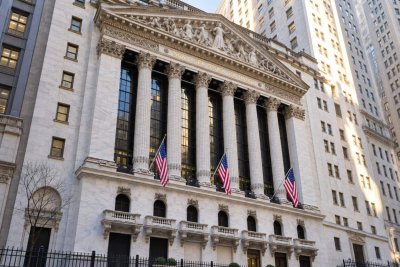
Wall Street snapped a three-day losing streak on Wednesday, with the Dow Jones Industrial Average surging 581.66 points, or 1.18%, to close at 49,945.54. The broader market rally was fueled by a sharp rebound in semiconductor stocks ahead of Nvidia's highly anticipated earnings report, as well as relief from falling oil prices and a retreat in Treasury yields.
The S&P 500 added 68.20 points, or 0.93%, to finish at 7,421.81, while the Nasdaq Composite climbed 344.12 points, or 1.33%, to end at 26,214.83. The gains recouped some of the losses from earlier in the week, when rising oil prices tied to geopolitical tensions and a jump in bond yields had pushed major indices off their recent record highs.
Chip Stocks Lead the Charge
The Philadelphia SE Semiconductor Index surged 3.9%, reflecting broad-based strength in the sector. Nvidia, the centerpiece of the artificial intelligence trade, rose 1.8% ahead of its post-market earnings release. Analysts polled by LSEG expect the company to report a 79% increase in revenue for the April quarter, driven by robust demand from cloud customers such as Microsoft and Meta Platforms.
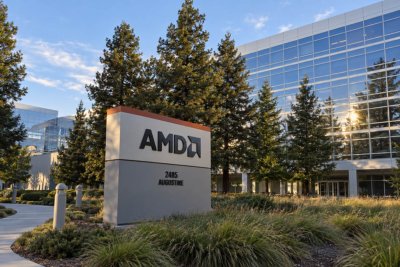
Other chipmakers also posted strong gains. Advanced Micro Devices jumped 7.3%, while Intel added 6.7%. The rally extended beyond mega-cap names, as investors looked to Nvidia's results for further confirmation of sustained AI-related spending.
Macro Tailwinds: Oil and Yields
Falling commodity prices provided additional support. U.S. crude oil settled $5.89 lower at $98.26 per barrel, and Brent crude dropped $6.26 to $105.02. The decline offered some relief after recent price spikes tied to the Iran conflict had stoked inflation fears. Meanwhile, the yield on the 10-year Treasury note fell 9.4 basis points to 4.576%, easing pressure on growth-oriented stocks.
The combination of lower oil and lower yields was particularly beneficial for smaller companies. The Russell 2000 index climbed 2.2%, outperforming the S&P 500, as declining borrowing costs provided a tailwind for firms that rely more heavily on debt financing.
Fed Minutes Cautious on Rate Cuts
Gains were tempered by the release of minutes from the Federal Reserve's April 28-29 policy meeting. The document showed that most officials saw the need for "some policy firming" if inflation remains above the 2% target. Several members also supported removing language that suggested a bias toward rate cuts. The cautious tone reinforced expectations that the central bank will keep rates higher for longer, though it did not derail the day's rally.
"Building a consensus for rate changes will be tough in the near term," said Ryan Sweet, chief global economist at Oxford Economics, in comments to Reuters. Policymakers also discussed the risks that elevated energy prices and tariffs could drive broader inflation, according to the minutes.
Retail Earnings in Focus
In corporate news, TJX Companies gained after reporting better-than-expected profit and revenue. The company, which operates T.J. Maxx and Marshalls, benefited from strong consumer demand for off-price apparel. Target, however, slid 5.7% despite topping Wall Street estimates, as the stock had already rallied sharply earlier this year and investors appeared to be looking for more, according to AP.
Outlook and Risks
The market's bounce on Wednesday brought major indices closer to their recent highs, but the broader debate over inflation, interest rates, and the staying power of the AI trade remains unresolved. If geopolitical tensions escalate again and oil prices resume their climb, the drag from costlier energy and stubborn inflation could return, potentially reigniting bets on another Fed rate hike. Nvidia's earnings will also be closely watched; a soft forecast could weigh on its stock and pressure the broader AI sector that powered much of Wednesday's rally.
For now, bulls have the edge, but the path ahead is far from clear. The interplay between macro headwinds and tech-driven optimism will likely keep markets on edge in the weeks ahead.