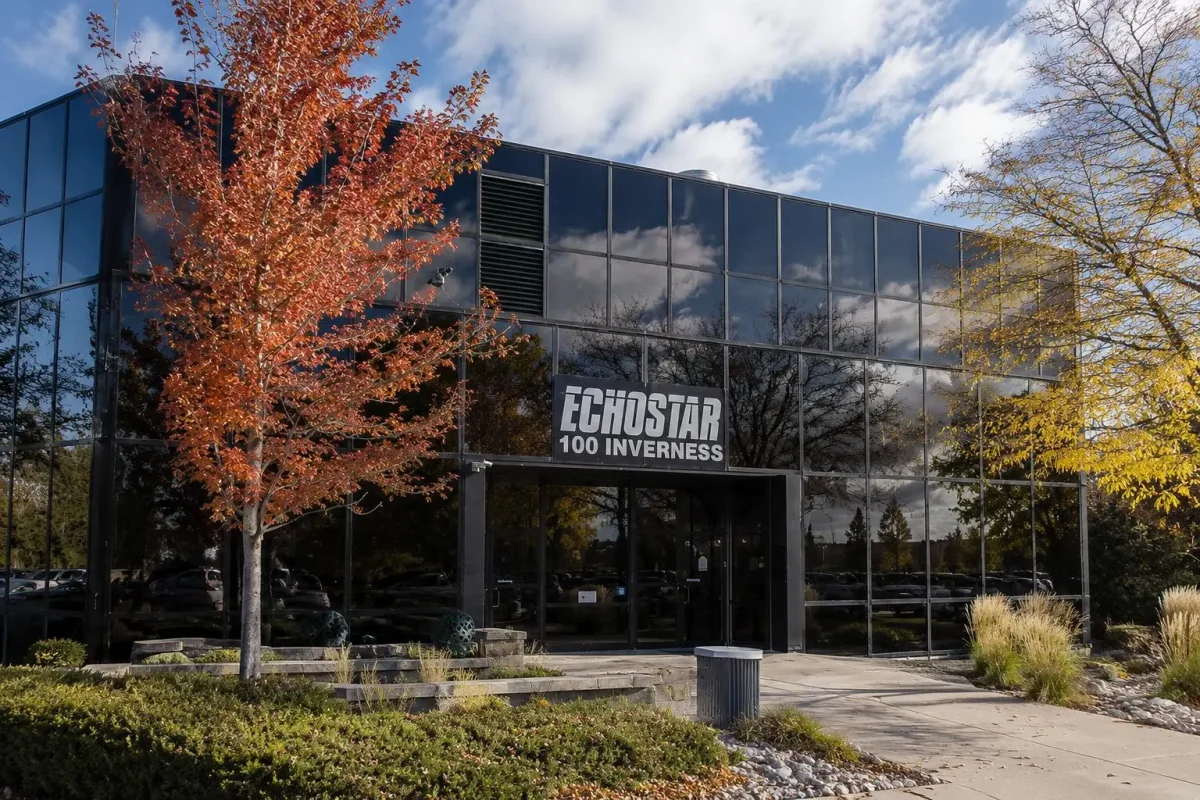
EchoStar Corporation (SATS) saw its shares decline 6.7% on Friday, ending the session at $116.28, marking an 8.7% drop from the Monday close of $127.42. The decline occurred amid a broader market pullback that snapped the S&P 500's nine-week winning streak, with volume surging to 9.7 million shares.
Key catalysts on the horizon
The stock enters next week with several major events looming. The most anticipated is SpaceX's initial public offering, which Reuters reports could price at $135 per share, aiming to raise $75 billion and target a $1.75 trillion valuation. Morningstar placed SpaceX's valuation at $780 billion in a June 1 note, with much of that attributed to its Starlink satellite business. EchoStar has increasingly been viewed as a public-market proxy for SpaceX, adding a speculative element to its trading.
Additionally, EchoStar is awaiting final approval from the Federal Communications Commission (FCC) for its $40 billion spectrum sales. The FCC approved the sale of 50 megahertz of nationwide spectrum to AT&T for $23 billion and 65 megahertz to SpaceX for $17 billion last month. However, EchoStar noted in a filing that an "unprecedented involuntary escrow condition" could delay the closing proceeds, which are critical for the company's liquidity.
Debt payment grace period
EchoStar disclosed in a June 1 filing that it did not make approximately $183 million in interest payments due on DISH DBS notes that day. While this triggered a default, the company has a 30-day grace period before it becomes an event of default. EchoStar stated it deferred the payment while awaiting $20.25 billion in net closing proceeds from the AT&T transactions, which have received FCC and Department of Justice approval but are not yet final.
Weak Q1 results
The company's first-quarter results painted a mixed picture. Revenue fell to $3.67 billion from $3.87 billion a year earlier, and EchoStar posted a net loss of $146.9 million. Subscriber losses continued, with 366,000 pay-TV subscribers and 58,000 broadband subscribers leaving the platform. Retail wireless subscribers edged up by approximately 16,000.
AT&T sees clear strategic benefits from the deal, stating that acquiring EchoStar's spectrum would provide around 50 MHz of low- and mid-band spectrum in nearly every U.S. market and make AT&T the primary network-services partner for EchoStar's Boost Mobile under a hybrid mobile network operator arrangement.
Market context and risks
The broader market tone weakened Friday after the jobs report raised fears of a tighter Federal Reserve. Fresh consumer and producer price data are due next week, adding to the uncertainty. Jason Pride, chief of investment strategy and research at Glenmede, told Reuters regarding the SpaceX IPO: "The question mark surrounding it is whether it's an indication of market froth."
Downside risks for EchoStar include potential delays in the FCC order, which could stall AT&T's payments, a disappointing SpaceX IPO, or the company's inability to make the missed interest payment before the grace period expires. If any of these materialize, investor focus could shift back to EchoStar's high leverage, declining pay-TV subscribers, and execution risk rather than the spectrum upside.
Simply Wall St's discounted cash flow analysis values EchoStar at approximately $116.94 per share, roughly where the stock currently trades. The stock's price-to-sales ratio places it at a premium compared to the broader media group, reflecting the speculative premium tied to its spectrum assets and SpaceX exposure.
EchoStar is expected to open lower on Monday as the market digests Friday's decline. Whether Friday's drop represents a temporary setback or the beginning of a larger correction for the EchoStar trade remains to be seen, with next week's events likely to provide direction.