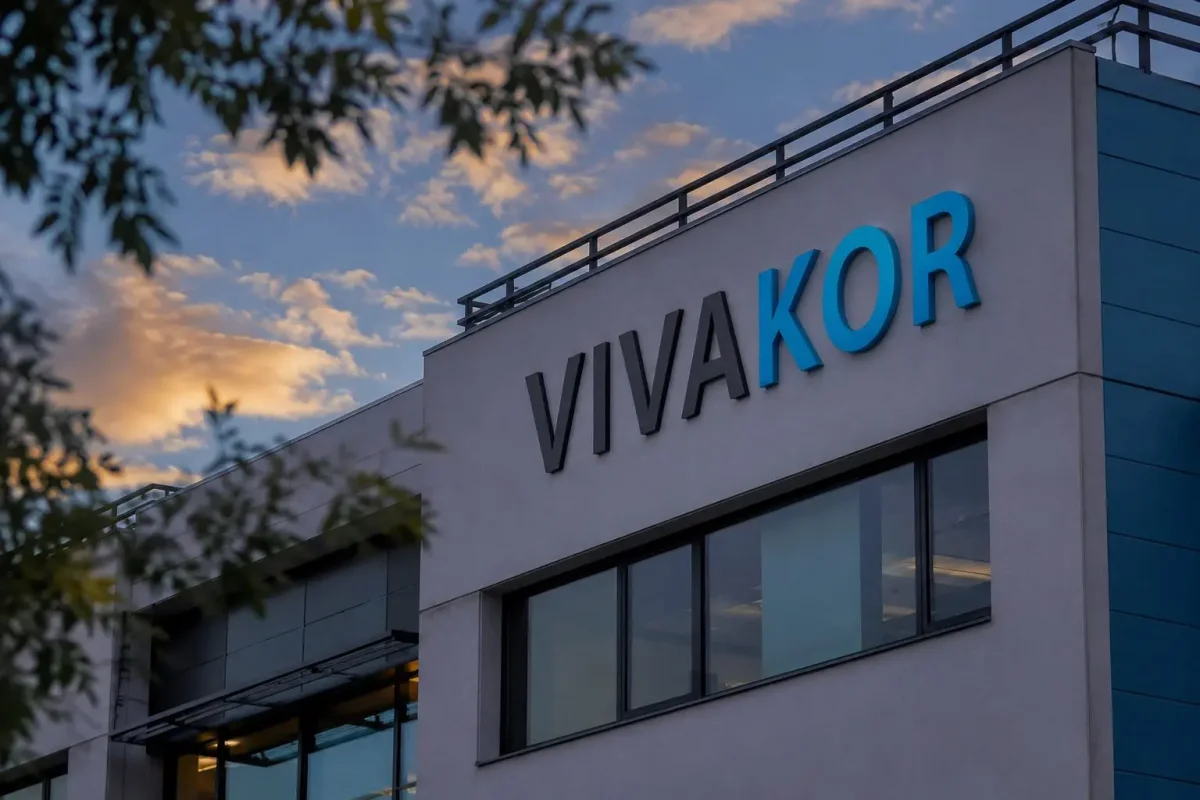
Vivakor (NASDAQ:VIVK) experienced a dramatic surge in its stock price on Tuesday, climbing approximately 65% to $2.85 in afternoon trading. The rally followed the company's announcement of four new crude oil purchase and sale agreements valued at $289.2 million in annual commercial activity, alongside the disclosure of a first-quarter gross margin of 0.078%—equivalent to just 7.8 basis points.
The stock earlier hit an intraday high of $8.96 before retreating sharply, shedding more than two-thirds of its peak gain. Trading volume exploded, with approximately 132.5 million shares changing hands by 2:59 p.m. EDT—nearly 200 times the post-split float of about 667,200 shares.
Details of the Oil Contracts
The four agreements, which commence August 1, 2026, involve the monthly purchase and sale of 300,000 barrels of crude oil each. Collectively, the contracts represent annual commercial volumes of $289.2 million, adding 3.6 million barrels per year to Vivakor's marketed crude volume. The company noted that these deals are with two undisclosed counterparties based in Cushing and Midland, Texas, and are set to run until July 31, 2027, with automatic monthly renewals thereafter.
Vivakor emphasized that the $289.2 million figure represents commercial activity, not profit. In its most recent quarterly filing, the company's supply and trading segment generated $13.55 million in revenue but only $10,581 in gross profit, yielding that razor-thin 0.078% margin. Using that same margin as a rough illustration, the new agreements would produce an estimated annual gross profit of approximately $226,000—or about six cents per barrel.
Market Context and Comparison
The headline value of the deals equates to roughly $80.33 per barrel, closely aligned with the current West Texas Intermediate crude price of $84.99 for front-month delivery. This suggests the contracts are priced in line with prevailing market rates, offering little premium for Vivakor.
With these additions, Vivakor's recurring initiatives now encompass about 8.1 million barrels per year, with total expected annual commercial volume reaching $709 million. However, the company did not provide any gross-profit projections for this broader portfolio.
Reverse Split and Dilution Concerns
Tuesday's volatility must be viewed in the context of recent corporate actions. Vivakor executed a 1-for-20 reverse stock split on Friday, July 18, designed to maintain its Nasdaq listing. This followed a prior 1-for-200 reverse split on March 24, meaning the stock has undergone two reverse splits in just four months. The post-split share count is now approximately 667,200 shares.
Despite the surge, significant risks remain. Vivakor disclosed a working-capital deficit of $54 million and flagged substantial doubt about its ability to continue as a going concern. The company has issued discounted convertible notes and maintains access to a potential $100 million equity line, both of which could lead to further dilution for existing shareholders.
What to Watch Going Forward
Chief Executive James Ballengee stated that the new programs are expected to boost "throughput and commercial activity," working alongside Vivakor's transport, terminal, and storage operations. However, the company did not detail any additional logistics fees that could improve profitability.
For investors, the key metrics to monitor are actual delivered barrels and the gross profit realized on each barrel. Any disclosure of logistics or infrastructure-related fees would provide clearer insight into whether the company can move beyond thin trading margins. For now, the $709 million commercial volume headline underscores scale but does little to illuminate earnings potential.