NEW YORK, June 13, 2026 – Energy stocks ended the week in a holding pattern, as crude oil prices tumbled on Friday following renewed speculation about a diplomatic breakthrough between the United States and Iran. The decline in oil benchmarks was steep, yet the broader energy sector managed to stay afloat, reflecting investor caution and a wait-and-see approach.
Brent crude, the global benchmark, closed at $87.33 per barrel, down 3.37% for the session. U.S. West Texas Intermediate (WTI) crude settled at $84.88, a drop of 3.23%. The sell-off was driven by market chatter that a U.S.-Iran memorandum of understanding could be signed, potentially reopening the Strait of Hormuz to normal oil and LNG traffic. The strait is a critical chokepoint for about one-fifth of the world's oil and liquefied natural gas shipments.
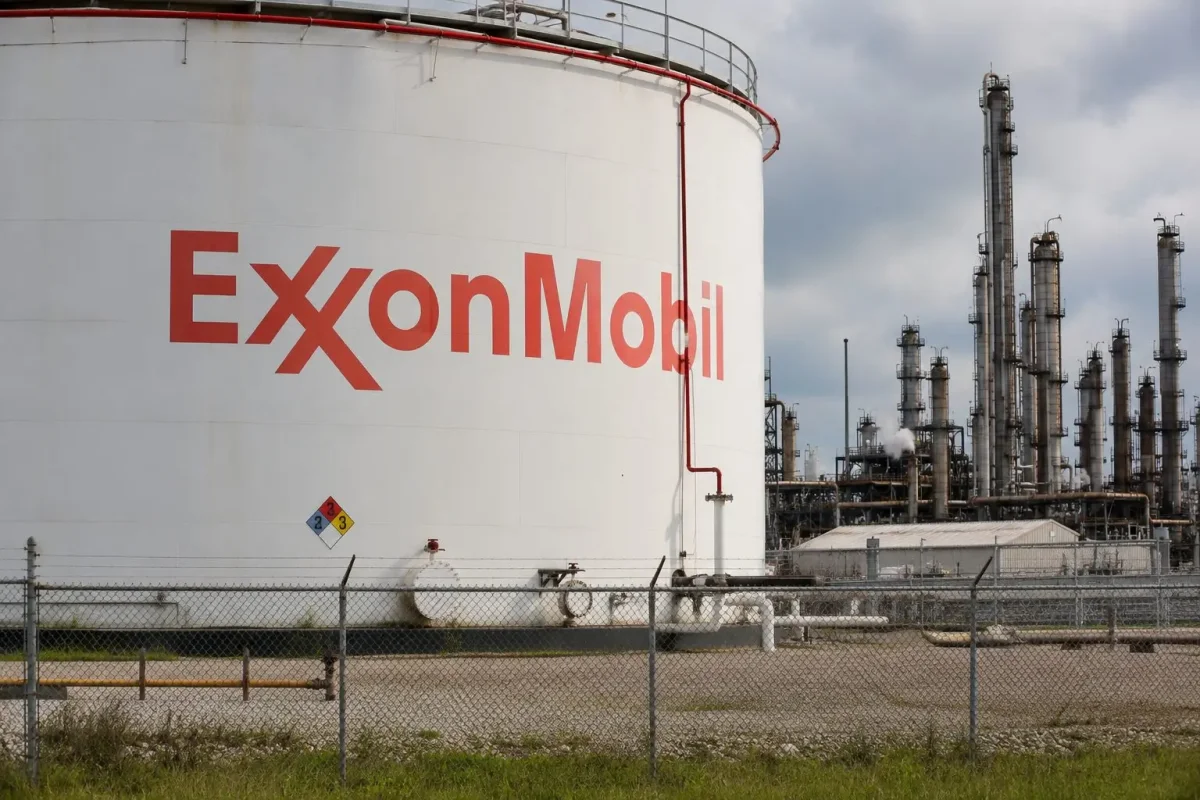
The Energy Select Sector SPDR Fund (XLE) managed to gain 0.77% on Friday, closing at $57.55, but remained essentially flat compared to its June 5 close of $57.67. Major oil producers showed resilience: Exxon Mobil (XOM) edged up 0.27%, Chevron (CVX) rose 0.74%, ConocoPhillips (COP) added 1.40%, and Occidental Petroleum (OXY) advanced 1.90%. The steadiness in energy shares suggests that investors are not yet fully pricing in a lasting drop in oil prices.
Market Focus Shifts to Diplomacy and Supply
Traders are now closely watching whether a formal agreement will be signed and whether oil shipments through the Strait of Hormuz will return to pre-disruption levels. Iran's foreign minister has indicated that the situation remains fluid, adding to uncertainty. Analysts at ING, as cited by Reuters, warned that if oil flows do not pick up before rising summer demand, the market could hit a critical inflection point in late July.
John Kilduff of Again Capital noted that Friday's price drop was largely headline-driven, not a fundamental shift. “What’s got the market going down is the Iranians saying there is a memorandum of understanding,” he told reporters. The market is awaiting concrete evidence of a deal and actual changes in oil flows before making larger moves.
Corporate Developments and Sector Dynamics
In corporate news, Shell has temporarily suspended its $3 billion share buyback program through July 14, due to securities law requirements linked to its $16.4 billion acquisition of ARC Resources and the pending shareholder vote. Separately, Reuters reported, citing Bloomberg, that Exxon Mobil is evaluating potential acquisition targets, including Woodside Energy, which could bolster its LNG portfolio. Woodside's U.S.-listed shares jumped 6% in morning trading, while Exxon rose 0.7%. Chevron CEO Mike Wirth stated that the company continues to assess opportunities in the Middle East, where regional governments are offering “a fair balance of returns for investors.”
Fundamentals and Outlook
Despite the weekly decline in crude prices, the fundamental backdrop for energy stocks remains mixed. U.S. crude inventories fell by 7.2 million barrels in the week to June 5, a larger draw than analysts had anticipated, which typically supports prices. The Baker Hughes rig count showed total U.S. oil and gas rigs decreasing by one to 562, though oil rigs reached their highest level since June 2025. Fewer rigs could signal slower supply growth ahead, potentially providing price support if demand holds steady.
On the bearish side, if a U.S.-Iran deal is finalized and shipping through Hormuz resumes, crude prices could quickly shed their geopolitical risk premium, possibly before analysts have time to adjust earnings estimates downward. Refiners face additional headwinds, as the Gulf Coast 3:2:1 crack spread—a key measure of refining margins—dropped 5.5% as of June 11. Meanwhile, OPEC lowered its 2026 oil-demand growth forecast to 970,000 barrels per day from 1.17 million, underscoring that supply risks are only part of the equation for oil stocks.
Valuation and Risks
Energy stocks are not obviously cheap at current levels, but they carry specific risks. The XLE's holdings had a forward price-to-earnings ratio of 12.71 and a 30-day SEC yield of 2.63% as of June 11. The S&P 500 Energy sector remains up 26.95% year-to-date through June 12. While this valuation is not high compared to growth sectors, the sector's performance is tightly linked to oil, gas, and consumable fuels. The next moves for energy stocks may hinge on whether a U.S.-Iran pact is signed this weekend, whether Strait of Hormuz shipping remains open, and whether crude inventories can hold steady without another rally.