Global equities faced a sharp downturn on Tuesday, led by a broad sell-off in technology and semiconductor stocks that erased billions in market value. Nasdaq-100 futures fell 0.9% and S&P 500 futures slipped 0.2%, while the Dow Jones Industrial Average futures managed a modest 0.1% gain. The declines were driven by a rout in chipmakers, with South Korea's Samsung Electronics and SK Hynix each plunging more than 13%, dragging the KOSPI index down 10.84% — its worst single-day drop since March 4.
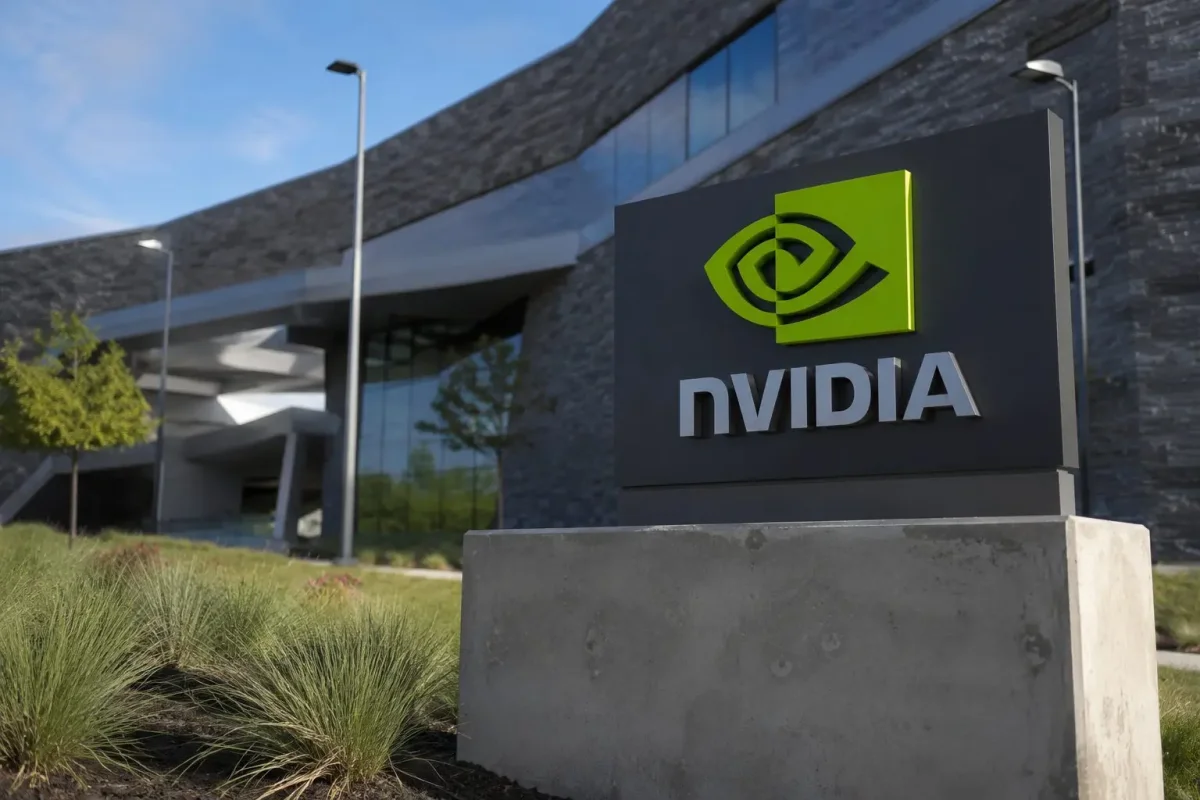
Investor anxiety around the artificial intelligence trade intensified amid reports that Nvidia (NASDAQ:NVDA) is negotiating a $250 billion funding lifeline for OpenAI, raising concerns about the chipmaker's exposure to large-scale AI financing. Nvidia shares fell 5% in premarket trading, wiping out approximately $250 billion in market capitalization — an amount equal to the reported financial support for OpenAI. The stock closed at $196.51, erasing earlier gains from the week. The $250 billion backstop, linked to OpenAI and an Ohio data center initiative, is equivalent to 71 times Nvidia's last reported liabilities, spotlighting the company's rising financial commitments in the AI space.
The KOSPI's 10.84% slide to 6,023.66 was its largest one-day decline since March 4, with SK Hynix losing 14.7% and Samsung down 13.4%, together accounting for 62% of the index's drop. Foreign investors offloaded 5 trillion won, while retail investors purchased 4 trillion won. Gains by China's ChangXin Memory and unease about chip supply added to selling pressure. The sell-off underscores mounting competition from Chinese chipmakers and concerns over the sustainability of AI-driven demand.
In contrast, Intel (NASDAQ:INTC) shares rose in U.S. premarket trading after the company reported strong demand for AI-powered CPUs. Revenue at Intel's Data-Center and AI unit jumped 59% to $6.262 billion, with operating income nearly quadrupling to $2.474 billion. The company projected Q3 revenue at a midpoint of $16.3 billion, 7.9% above consensus, and expects adjusted EPS to climb 41%. Foundry revenue advanced 31% to $5.765 billion, highlighting robust demand in an otherwise uneven semiconductor landscape.
D-Wave Quantum (NASDAQ:QBTS) surged 20.4% to $19.51, adding $1.21 billion to its market capitalization after AT&T deployed its quantum computing technology, reducing network workload time from one hour to under 15 seconds. The rise in share price equates to nearly 49 times D-Wave's estimated 2025 revenue. Trading volume reached 48.1 million shares, 3.4 times the average of the previous week, signaling strong investor optimism as quantum computing collaborations expand.
Macnica Holdings (TSE:3132) reported strong Q1 2027 results, with basic EPS of ¥61.20, up from ¥28.53 in the same period last year, and revenue rising 39.7% to ¥393,443 million. However, shares have slipped 6.2% over the past week and 3.2% in the last 30 days. The net profit margin over the last twelve months increased to 2.5% from 2.1%, but margins remain comparatively narrow as the company continues to invest in broader solutions and global growth.
Canon (TSE:7751) reported Q2 2026 earnings with EPS climbing to ¥143.16, pushing trailing 12-month EPS to ¥396.44 and resulting in a P/E ratio near 11x relative to competitors. Revenue edged up to ¥1,180,889 million, while core net income reached ¥122,881 million and profit margin doubled to 7.4% from 3.6%. However, the 7-day stock return is marginally negative, reflecting ongoing investor caution as questions about growth durability persist.
In the U.K., Computacenter (LSE:CCC) and Wise (LSE:WISE) remain in focus for growth-oriented investors. Computacenter delivers IT services with £9.19 billion in revenue and a £5.06 billion market cap, projecting earnings growth of 15.48% and return on equity climbing to 26.6%. Wise, the fintech operating from London, reports $2.5 billion revenue and a £9.12 billion market cap, maintains double-digit earnings gains and an ROE close to 26%, but confronts margin challenges. Both firms remain founder-led, keeping executives aligned with shareholders against a backdrop of inflation, oil price shifts and interest rate volatility.
Elsewhere, California's high-speed rail project, which has relied on taxpayer support for almost 20 years, is now seeking private investment to progress past the Central Valley stage. The $33 billion rail initiative, which began with $10 billion in state bonds and anticipated federal contributions, has hit financial hurdles amid unpredictable federal funding. A recent $25 million agreement is intended to draw in private sector partners, as officials push to connect San Francisco and Los Angeles. The total cost to complete the rail line is now projected at $126 billion, with a target completion date in 2040.
Oil prices slipped, and focus remained on the Federal Reserve's policy gathering along with key upcoming earnings announcements. MSCI CEO Henry Fernandez cautioned investors over climate threats to asset values, warning that many overlook the effects of rising temperatures on portfolio risk.