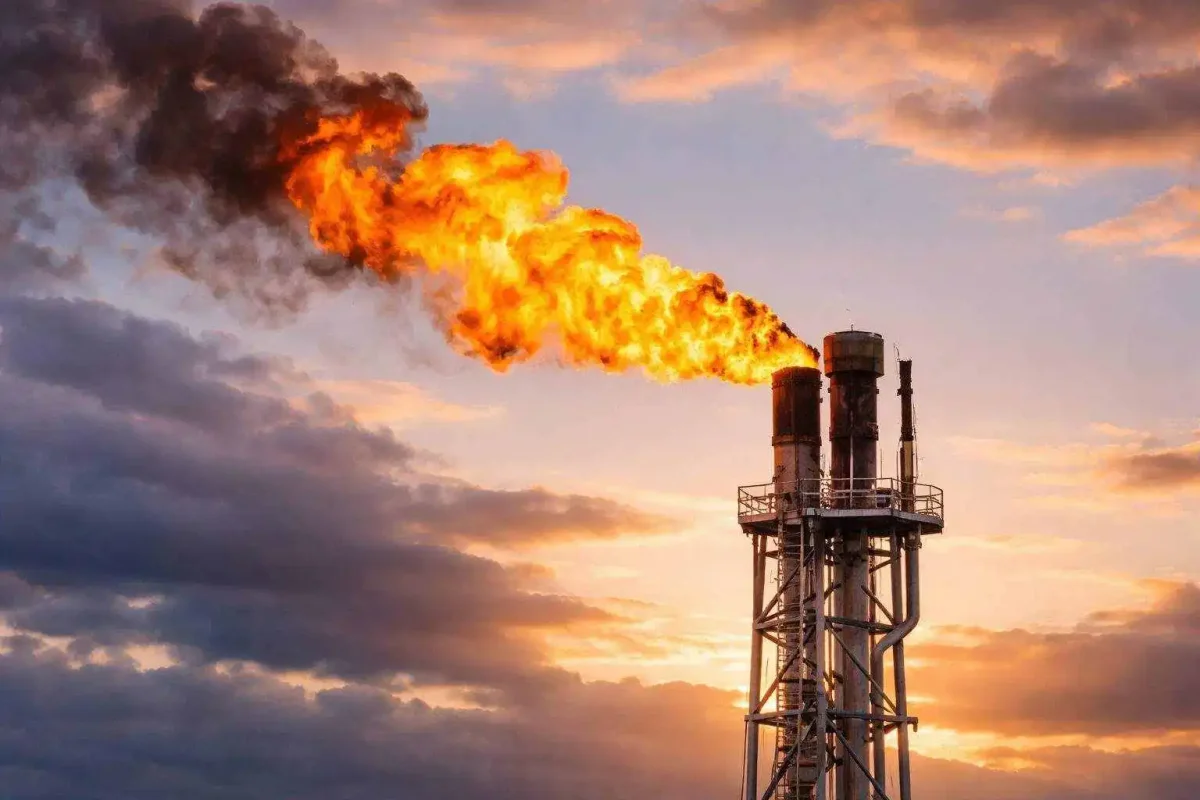
European benchmark natural gas prices experienced a dramatic surge on Thursday, March 19, 2026, with the front-month Dutch Title Transfer Facility (TTF) contract climbing to €74 per megawatt hour. This represents the highest intraday price point recorded since January 2023, driven by a sudden and severe disruption to global liquefied natural gas (LNG) supplies.
Attack Cripples Key Export Hub
The price spike was triggered by Iranian military strikes that targeted Qatar's massive Ras Laffan LNG complex. According to statements from QatarEnergy's CEO, Saad al-Kaabi, the attack disabled two of the facility's fourteen LNG production trains. This damage has taken approximately 12.8 million metric tons of annual production capacity offline, equating to roughly one-sixth of Qatar's total LNG export capability. Al-Kaabi indicated that repairs and a full return to operations could require three to five years, contingent on a cessation of hostilities in the region.
The Ras Laffan facility is a linchpin of global energy markets, handling an estimated 20% of worldwide LNG trade. While Europe sources only about 9% of its LNG directly from Qatar, the outage creates a substantial supply gap that forces global buyers to compete for alternative cargoes, driving up prices universally.
Global Market Repercussions
The disruption sent immediate shockwaves through Asian markets, where the majority of Qatari LNG is typically delivered. Spot LNG prices in Asia doubled this week, reaching a three-year high. Utilities across the region, from Bangladesh to Japan, are reportedly pivoting toward coal and other domestic fuel sources to compensate for the sudden shortage. Concurrently, shipping through the critical Strait of Hormuz has come to a standstill, further complicating logistics.
"We're already heading down the track toward a full-blown gas-crisis scenario," warned Saul Kavonic, an energy analyst with MST Financial. The situation has placed rival LNG exporters in the spotlight. Shell is evaluating the impact on its assets at Ras Laffan, while U.S.-based exporters like Cheniere Energy and Venture Global, which operate the world's largest LNG export network, are poised to see increased demand for their cargoes.
Central Banks Warn on Inflation
The European Central Bank (ECB) has explicitly linked the energy market turmoil to broader economic risks. The bank warned that extended disruptions in oil and gas markets would elevate inflation beyond previous expectations and restrain economic growth. Consequently, the ECB has revised its 2026 inflation projection upward to 2.6%, a significant increase from the 1.9% forecast issued in December 2025. The International Monetary Fund has echoed these concerns, cautioning that a prolonged energy shock could stoke global inflation and dent economic output.
Wholesale gas prices across Europe have now doubled compared to levels seen before the Iran conflict escalated on February 28, 2026. The broader financial markets reacted swiftly, with Brent crude oil briefly surpassing $119 per barrel. Investors are increasing bets that the ECB and the Bank of England may be forced to maintain tighter monetary policy for a longer duration to combat energy-led inflationary pressures.
Supply Contracts in Jeopardy
QatarEnergy may be compelled to declare force majeure on certain long-term supply agreements, directly jeopardizing scheduled shipments to key importers including Italy, Belgium, South Korea, and China. This uncertainty has left traders closely monitoring tanker movements from the Gulf, with buyers in both Europe and Asia expected to aggressively pursue any available flexible LNG cargoes in the coming weeks.
Despite the sharp rally, analysts note that current European gas prices remain well below the crisis peaks of 2022, which exceeded €300 per megawatt hour. EU leaders are reportedly considering policy responses such as short-term tax relief and targeted state aid to mitigate the impact on consumers and industry. Market observers suggest that if Gulf shipping lanes reopen and attacks cease, some near-term price pressure could ease relatively quickly.
The event underscores the continued fragility of global energy supply chains and Europe's ongoing vulnerability to geopolitical events affecting key production regions, even years after the initial 2022 energy crisis.