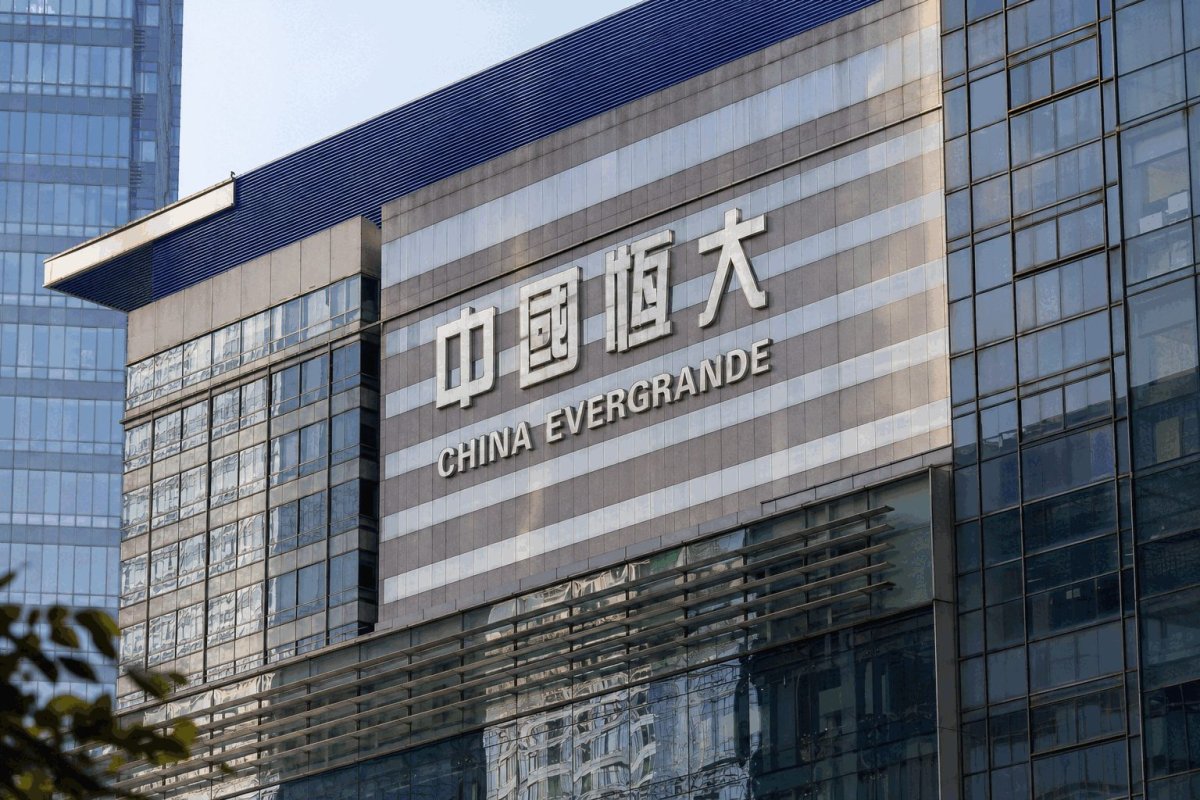
In a landmark ruling, the founder of China Evergrande Group, Hui Ka Yan, has been sentenced to life imprisonment after pleading guilty to eight criminal charges, including fundraising fraud and bribery. The Shenzhen court also ordered the seizure of all his personal assets. State broadcaster CCTV confirmed that 56 other individuals received sentences in connection with the case.
While the criminal proceedings mark a decisive end to Hui's corporate reign, the financial fallout for creditors remains staggering. Court-appointed liquidators have managed to recover only a fraction of the massive debt, leaving investors with a recovery rate of just 1% on their claims. The gap between the $45 billion in creditor claims and the actual recoveries underscores the severity of the collapse.
Recovery Numbers Paint Grim Picture
According to the latest liquidator reports, asset disposals have yielded a mere $255 million, representing just 0.57% of the total claims. Funds distributed to creditors so far stand at $167 million, or 0.37% of claims. Even if the offshore legal recovery of $6 billion were fully successful, it would only cover 13.3% of the claims—still a massive shortfall.
Corporate penalties, including fines and forfeitures, amount to 15.82 billion yuan (approximately $2.35 billion), which is about 0.8% of Evergrande's total liabilities. However, these penalties do not directly benefit creditors, as they are directed to the state.
Structural Hurdles in Asset Recovery
The liquidators have highlighted significant structural challenges. Most of Evergrande's assets are held within mainland Chinese entities with complex ownership structures, making the transfer of cash upward "painstaking and time-consuming." At the time of the liquidation order, the value of assets under direct control was estimated at $3.5 billion, against claims of $45 billion—a shortfall of over 90%.
Moreover, parent-level asset sales have generated only $11 million, with the majority of recoveries coming from subsidiaries. This fragmented approach means that recovery efforts could take years, and the final outcome remains highly uncertain.
Market Context and Sector Impact
The Evergrande saga continues to weigh on China's property sector, which is still struggling with weak demand and deflationary pressures. July data showed new-home prices fell 0.1% month-on-month and 3.2% year-on-year, with only 17 of 70 major cities reporting price increases. S&P Global Ratings forecasts a 10% to 14% decline in primary sales for 2026.
In this environment, analysts at Citi have expressed a preference for state-backed developers like China Resources Land (HKG:1109) and Longfor Group (HKG:0960), both rated "Buy." Conversely, they have assigned "Sell" ratings to troubled developers China Vanke (HKG:2202) and Country Garden (HKG:2007), reflecting ongoing concerns about their financial stability.
Other Listed Assets Provide Indirect Exposure
Investors looking for exposure to Evergrande's remaining assets can consider its subsidiaries, such as Evergrande Property Services (HKG:6666) and China Evergrande New Energy Vehicle (HKG:0708). However, these entities are also under liquidation control, and any proceeds from their sale may be used to satisfy subsidiary claims before reaching the parent company.
The criminal conviction could potentially bolster civil lawsuits against Hui and other executives, as asset seizures might uncover hidden holdings or clarify facts relevant to related proceedings. However, the processes for onshore forfeiture and offshore creditor recovery are governed by separate legal frameworks, complicating any coordinated resolution.
As the winding-up process drags on, creditors face a prolonged period of uncertainty. The recovery gap remains above 99%, and while the sentence closes a chapter on Hui's personal liability, the financial accounts of Evergrande are far from settled.