In a landmark ruling on Thursday, a Shenzhen court sentenced China Evergrande Group founder Hui Ka Yan to life imprisonment and ordered the confiscation of his personal assets. The court also fined Evergrande and its primary unit, Hengda Real Estate, a combined 15.82 billion yuan (approximately $2.35 billion). This verdict marks the culmination of a criminal investigation that began with Hui's arrest in 2023, following the property giant's default and subsequent collapse.
The judgment brings legal closure to one of China's most high-profile corporate fraud cases, but it does little to resolve the financial turmoil facing Evergrande's creditors. According to statements from the liquidators, Edward Middleton and Tiffany Wong, only $255 million in asset sales have been disclosed, against creditor claims totaling roughly $45 billion. This implies a recovery rate of just 0.57%—a stark reminder of the massive shortfall that creditors are likely to face.
The criminal case against Hui and his associates detailed a systematic pattern of fraud. Between 2016 and 2021, Evergrande exaggerated its assets and concealed liabilities, leading to the misappropriation of funds and the illegal collection of public deposits. In April, Hui pleaded guilty to eight charges, including fundraising fraud and illegal deposit-taking. The court also convicted 56 other defendants, with five senior managers receiving prison terms ranging from six to 18 years.
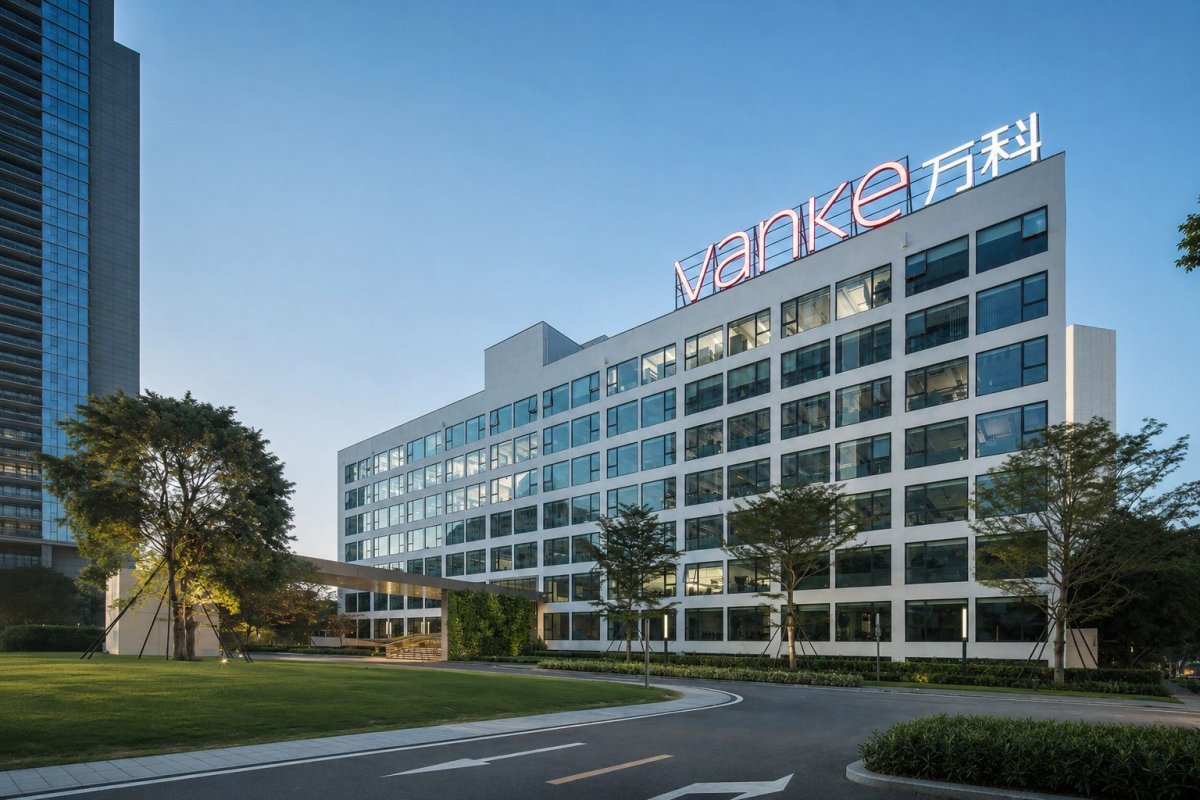
While the Evergrande case has been a dark cloud over China's property sector, investors showed a cautious optimism on the day of the ruling. Shares of China Vanke Co., Ltd. (HKG:2202) closed at HK$2.44 on August 20, up 3.17% at 16:09 HKT. Longfor Group Holdings (HKG:0960) rose 4.97%, and Country Garden Services (HKG:6098) gained 2.42%, resulting in an average increase of 3.52% for the trio. This market response suggests that the sentence did not trigger a broader sell-off, though it remains unclear if the ruling directly fueled the rally.
However, the fundamentals for Vanke remain challenging. The company reported a net loss of 88.56 billion yuan for 2025, with revenue of 233.43 billion yuan. Its H-shares are still down 53.26% over the past year, trading near the lower end of its 52-week range of HK$2.10 to HK$5.99. Analysts are predominantly bearish, with seven out of nine recommending a Sell rating. JPMorgan recently lowered its price target to HK$1.60, implying a potential downside of 34.43% from the current price. HSBC and Morgan Stanley have more neutral stances, with targets of HK$2.50 and HK$2.45, respectively.
The recovery arithmetic for Evergrande's creditors is grim. The $255 million in asset sales represents only a fraction of the $45 billion in claims, and this figure is not a final total. Moreover, the corporate fines imposed by the court are more than nine times the disclosed asset sales, but these funds will not go to creditors. The liquidators have previously stated that a comprehensive restructuring is "out of reach," and they are seeking approximately $6 billion in dividends and compensation from Hui and other former executives.
As investors digest the implications of the Evergrande sentence, attention now turns to Vanke's upcoming earnings report, scheduled for August 27. This will be a key test for the property sector, which is still grappling with weak demand and liquidity pressures. The criminal penalties against Evergrande may also affect the recovery process for creditors, as onshore and offshore claims are subject to different legal frameworks.
In the broader context, the Evergrande saga has highlighted the systemic risks in China's property market. With housing prices continuing to fall, publicly traded developers like Vanke face further losses. The market is watching to see if the government's policy support will be sufficient to stabilize the sector. For now, the life sentence for Hui Ka Yan provides a measure of legal accountability, but the financial wounds are far from healed.
As the market awaits Vanke's results, the sentiment remains cautious. The consensus price target of HK$2.79 suggests a modest upside of 14.38%, but the majority of analysts are recommending caution. The coming weeks will reveal whether the property sector can sustain its recent gains or if the underlying weaknesses will once again dominate.
