Exascale Labs Holdings Inc. (NASDAQ: XLAB) made its public market debut on Friday, with shares climbing 12.08% to $5.29 by 1:30 PM EDT. The stock, which began trading after a SPAC merger, touched an intraday high of $10.80 earlier in the session before retreating. Trading volume reached 5.54 million shares, approximately 11.4 times the 65-day average, reflecting robust investor interest in the AI infrastructure play.
The company's entry into the public markets comes at a time of heightened enthusiasm for artificial intelligence-related equities, but Exascale's financial position reveals a stark contrast between its ambitious pipeline and available resources. The company holds roughly $12 million in cash, a fraction of the $300 million qualified customer pipeline it has identified. This pipeline, which includes both signed contracts and non-binding memoranda, is approximately 43 times larger than its projected 2025 revenue of $7.0 million.
Exascale's revenue trajectory shows early progress but remains modest. For the six months ended December 2025, the company generated $6.8 million in revenue, with fourth-quarter revenue of $3.545 million—a significant jump from the $68,000 reported in the same period two years earlier. Management highlights an average quarterly growth rate of 64%, suggesting momentum in its GPU-as-a-Service and AI data-center operations.
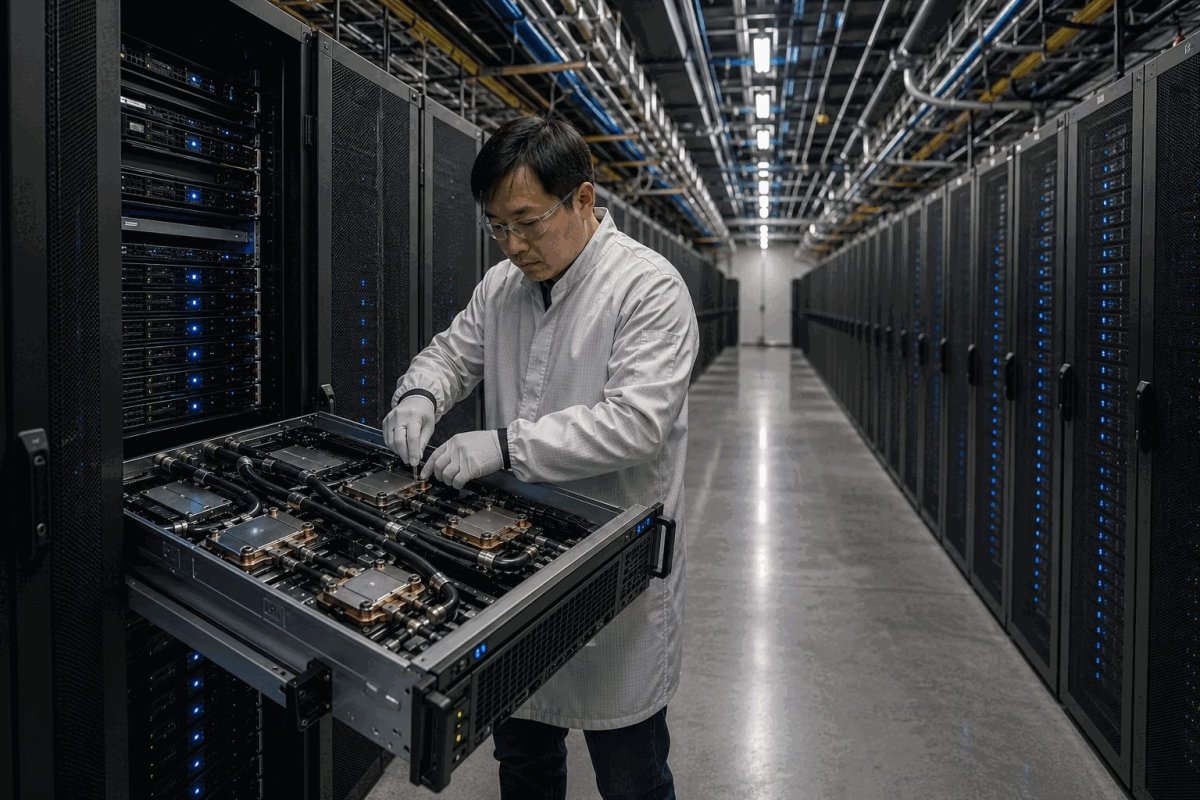
The company's business model revolves around designing and operating GPU clusters and AI-capable data-center facilities. While its GPU-as-a-Service offering provides immediate revenue, Exascale is expanding into larger infrastructure projects that management believes will yield higher revenue and margins. However, these capital-intensive endeavors require substantial upfront investment, and the company's limited cash position raises questions about its ability to fund growth.
One notable development is a three-year agreement to secure $71.4 million in GPU compute power from Dimension AI. This supply commitment is designed to enhance Exascale's capacity to serve clients, but it represents a purchasing obligation rather than customer income. Investors should distinguish between supply agreements and revenue-generating contracts when evaluating the company's prospects.
The SPAC transaction that brought Exascale to market delivered significantly less capital than originally anticipated. Following shareholder redemptions, the trust account of D. Boral ARC Acquisition I Corp. held only about $12 million, far below the nominal deal size. Exascale and the SPAC did not secure additional pre-closing funding, leaving the company with limited working capital to execute its growth strategy.
The disparity between cash on hand and the stated pipeline—just 4% coverage—underscores the challenges ahead. Converting the $300 million pipeline into actual revenue will require compute capacity, energy resources, customer commitments, and sufficient working capital. While the company has made operational strides, the path to profitability remains uncertain.
Investors should monitor three key metrics: contracted backlog, cash remaining after transaction expenses, and gross margin. These figures will provide clearer insight into Exascale's ability to bridge the gap between its ambitions and its resources. The stock's volatile debut, with shares trading more than 50% below their intraday peak, highlights the risks associated with a limited public float and speculative valuation.
The former SPAC now operates as Exascale Labs Holdings, with Class A shares trading under the ticker XLAB and warrants under XLABW. The management's earlier $500 million pre-money valuation serves only as a reference point, as actual market pricing will be determined by future operational performance and investor sentiment.
As Exascale navigates its first days as a public company, the broader AI infrastructure sector continues to attract significant capital. However, the company's funding gap serves as a cautionary tale for investors evaluating similar opportunities. With no established sell-side consensus and a pipeline that remains largely unconfirmed, Exascale's success will depend on its ability to execute and secure additional financing.
