Expion Energy (NASDAQ: XPON) saw its shares tumble 16.5% to $5.18 in Tuesday morning trading, as investors digested a financing arrangement that could potentially flood the market with new shares, significantly outstripping the company's current equity base.
The decline comes on the heels of a dramatic 80.5% surge on Monday, when the stock closed at $6.20 on exceptionally high volume of 85.98 million shares—nearly 1,900 times the previous session's activity. Despite Tuesday's pullback, shares remain roughly 51% above Friday's closing price of $3.44.
The core concern centers on dilution. Expion raised $9 million through the issuance of 8% convertible debentures, along with warrants for 2,117,219 shares. Net proceeds from this initial tranche amount to approximately $8.2 million. Both the preferred stock and warrants carry an initial conversion or exercise price of $4.25, which is subject to adjustment.
Converting the initial $9 million preferred at $4.25 would yield about 2.118 million common shares. Adding the warrants brings the total to roughly 4.23 million common-equivalent shares—4.4 times the current 962,340 shares outstanding. If the full $100 million in preferred stock were issued and converted at the same price, including the initial warrants, the potential common-equivalent shares would soar to 25.65 million, representing 26.7 times the existing float.
The size of the investment is particularly striking given Expion's small market capitalization. At Tuesday's quoted price, the company's equity value stood at around $5 million, meaning the total investment entitlement is nearly 20 times that figure.
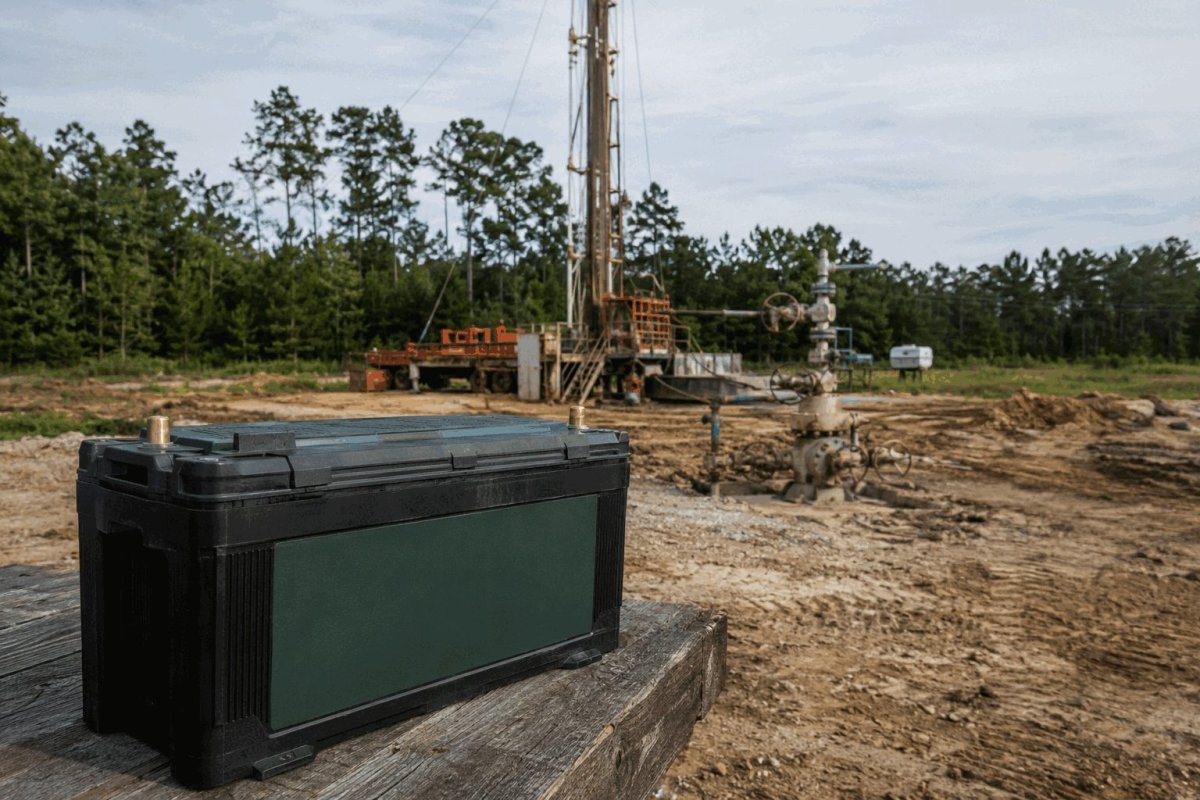
Expion is simultaneously pivoting its business strategy. The company spent $3.425 million to acquire an oil and gas prospect in Eastern Louisiana, which includes approximately 3,000 net leased acres, one wellbore, and title research covering about 13,000 acres. The agreement also allocates up to $4 million toward leasing, with a goal of drilling a new lateral well by February 15, 2027. Combined, the acquisition cost and full leasing obligation represent roughly 91% of the initial net proceeds.
Joseph Hammer, the former CEO, described the asset as a "drill-ready prospect." Kevin Sellers took over as CEO on Monday. The company has also rebranded from Expion360 to Expion Energy, reflecting its expanded focus.
The funding provides essential liquidity for a company that reported just $1.54 million in cash as of June 30, while spending $2.61 million on operations in the first half of the year. Its latest quarterly filing highlighted "substantial doubt" about its ability to continue as a going concern.
Meanwhile, the battery segment remains limited in scale. Second-quarter sales declined 32.1% to $2.03 million, though gross margin improved to 32.4% from 20.8% after the company discontinued resale of certain low-margin accessories.
With no analyst coverage, investors have little external guidance on valuation. The financing documents and the success of the Louisiana drilling venture will be critical to short-term valuation. While additional funding could relieve liquidity constraints and accelerate project progress, potential changes to conversion terms, cashless warrant exercises, and limited operating cash flow could heighten dilution risk. There is also the inherent risk that oil-and-gas exploration efforts may not yield commercially viable reserves.