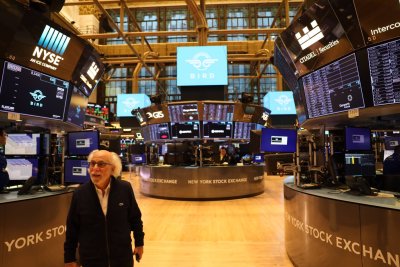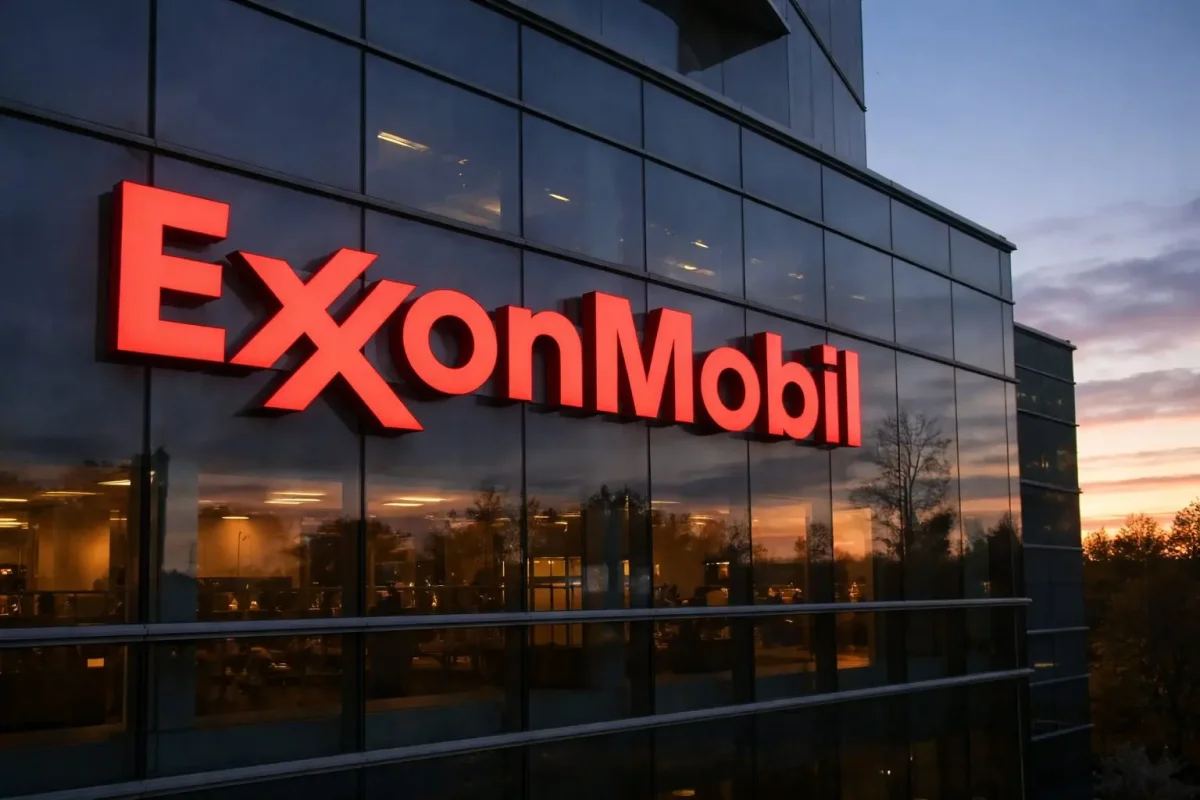
Exxon Mobil Corporation (NYSE: XOM) ended the trading week on a down note, with shares closing at $154.92 on Friday, a decline of 0.24% for the day and approximately 1.9% for the holiday-shortened week. The stock had touched a midweek high of $163.68 before retreating, as market participants assessed ongoing discussions about potential oil production agreements with Venezuela and the persistent volatility in crude oil prices.
Key Events on the Horizon
Market timing is a critical factor for investors this week. U.S. equity markets will be closed on Monday for Memorial Day, meaning the next opportunity to trade on any oil-related news or corporate developments will not occur until Tuesday. Then, on Wednesday, May 27, Exxon will hold its annual meeting, where shareholders are scheduled to vote on a proposal to move the company's legal domicile from New Jersey to Texas. The outcome of this vote could have significant implications for the company's governance and operational structure.
Oil Markets Weigh on Sentiment
Crude oil prices influenced Exxon's performance throughout the week. Brent crude settled at $103.54 per barrel on Friday, while West Texas Intermediate (WTI) closed at $96.60 per barrel. Both benchmarks posted weekly losses as traders factored in ongoing negotiations between the U.S. and Iran, as well as shipping risks in the Strait of Hormuz. “We have so many headlines back and forth, it’s hard to keep up,” said Phil Flynn, senior analyst at Price Futures Group, in comments to Reuters. The fluctuating oil prices have made it challenging for energy companies like Exxon to maintain stable cash flow projections.
Market Context and Peer Performance
Despite Exxon's decline, broader equity markets moved higher on Friday. The S&P 500 rose 0.37%, marking its eighth consecutive weekly gain, while the Dow Jones Industrial Average closed at a new record high. Among Exxon's peers, Chevron Corporation (NYSE: CVX) ended the session at $191.43, a gain, while ConocoPhillips (NYSE: COP) slipped to $120.46. The Energy Select Sector SPDR Fund (XLE) closed at $59.49, reflecting the mixed performance within the sector.
Venezuela Reemerges as a Key Factor
Venezuela has returned to the spotlight for Exxon. According to a Reuters report citing the New York Times, Exxon is in discussions with the Venezuelan government about securing rights to pump oil from as many as six fields. The company exited Venezuela nearly two decades ago after its assets were expropriated. Exxon declined to comment on the talks. CEO Darren Woods had previously described Venezuela as “uninvestable” in January, unless there are lasting new investment protections in place. Any potential deal would mark a significant shift in the company's strategy and could unlock new production opportunities.
Governance and Shareholder Vote
The potential deal talks come as governance issues remain in focus. In a May 12 proxy response, Exxon stated that shareholder rights would be “fully preserved” if the company moves its legal base to Texas, and urged Glass Lewis to reconsider its negative recommendation on the proposal. The vote is seen as a key test of shareholder sentiment on the company's strategic direction and governance practices.
Financial Performance and Analyst Outlook
Exxon reported first-quarter net income of $4.2 billion, or $1.00 per share, earlier this month. The integrated oil major, which handles production, refining, and energy sales, saw CEO Woods comment that the period demonstrated Exxon is “built to perform through disruption and across market cycles,” with Middle East events putting its business through a test. Sell-side analysts remain generally positive on the stock. Data from MarketScreener indicates a mean “outperform” rating from 25 analysts, with an average target price of $168.32, above Friday's closing price. However, target prices vary widely, from a high of $185 to a low of $130, reflecting the uncertainty surrounding crude prices, geopolitics, and capital spending expectations.
Broader Implications for Equities
Oil remains a sticking point for broader equity markets. UBS Global Wealth Management raised its S&P 500 target for 2026 on Friday, but strategists cautioned that continued uncertainty in the Hormuz region could dampen bullish sentiment, as rising oil prices and interest rates squeeze some parts of the market. The risk for Exxon is twofold: if talks with Venezuela open trade and the war premium in crude drops, the company could see less support for cash flow from lower prices. Conversely, if talks break down, high fuel costs might continue to pressure demand, potentially leading to demand destruction. Saxo Bank's Ole Hansen noted that prices have held up even after a significant supply shock, suggesting that demand destruction might be more pronounced than forecasters anticipated.
Outlook
Exxon's upcoming week is packed with events: the market reopens on Tuesday, shareholders vote on the Texas move on Wednesday, and news on Venezuela could emerge at any time. Currently, Exxon is not acting as a straightforward oil trade or a stock simply catching up with the broader market. Instead, it is a major player caught between crude price movements, political developments, and a governance question, leaving little room for old narratives to hold sway.