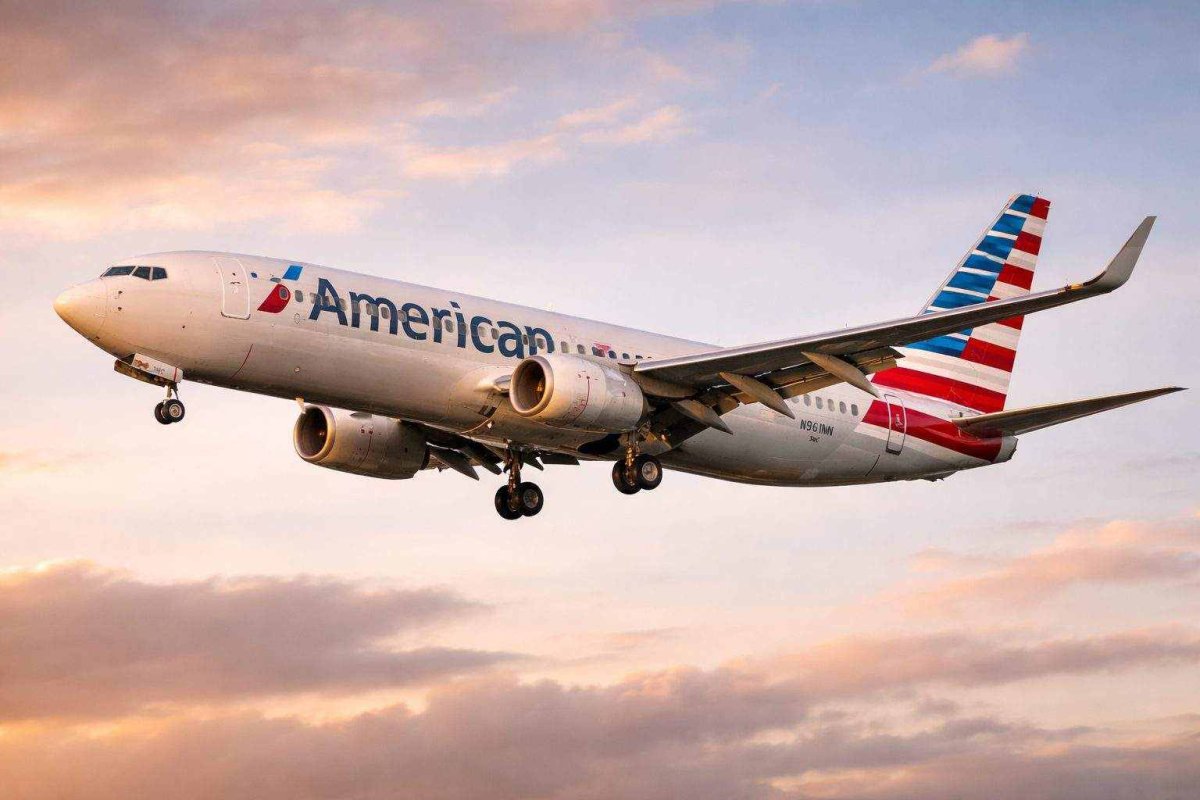
The Federal Aviation Administration has instructed carriers to significantly reduce summer operations at Chicago O'Hare International Airport, setting a proposed daily limit well below figures discussed just last week. According to sources familiar with the discussions, the agency is now targeting approximately 2,500 daily movements, a substantial reduction from the 2,800 cap previously floated and far below the 3,080 flights airlines had scheduled.
A Critical Blow to American's Turnaround Strategy
This development strikes at the heart of American Airlines' strategic plans for 2026. The carrier had identified Chicago as a cornerstone of its post-pandemic recovery, aiming to restore its presence at O'Hare to pre-COVID levels. American's strategy included adding 100 peak-day departures this spring, targeting over 75 destinations and pushing its daily flight count above 500. Recent analysis indicated the airline's planned O'Hare departures would climb from 484 last summer to 526 this year.
The summer schedule is slated to begin on March 29, but the FAA's intervention, detailed in a March 3 notice from the Department of Transportation, warns that the planned increase could strain the airport's runways, terminal capacity, and air traffic control systems. The agency stated it would issue a final order following a reduction meeting, with the current summer schedule officially set to run until October 25.
The Core Conflict: A Battle for Gates
Underlying the capacity issue is an intense rivalry between American Airlines and United Airlines for control of precious gate space at O'Hare. United, which operates roughly half of the airport's scheduled flights compared to American's one-third share, has publicly vowed to aggressively defend its position. In January, United CEO Scott Kirby signaled the airline was "drawing a line in the sand," promising to add flights as needed to prevent American from securing additional gates.
American has countered, warning internally that United's scheduling practices could lead to operational gridlock, including longer taxi times, missed connections, and broader passenger disruptions. Chicago remains a rare major U.S. hub where two large network carriers compete at such scale, setting the stage for continued friction.
Broader Market Pressures Weigh on Sector
The regulatory standoff is not the only challenge facing airlines. The sector faced significant headwinds on Thursday as airline stocks tumbled between 4% and 9%. The sell-off was driven by a sharp rise in oil prices, rattled by ongoing Middle East tensions, which threatens to erode profitability. Analysts, including Morningstar's Nicolas Owens, noted that the unanticipated jump in fuel costs is expected to negatively impact U.S. airline earnings in March.
This comes as American Airlines, despite its ambitious growth plans, trails its peers in financial performance. The carrier reported an adjusted pretax profit of $352 million for 2025, significantly behind Delta Air Lines' $5 billion and United's $4.6 billion.
Analysts Warn of Escalating Competitive Pressures
Industry observers caution that the battle for dominance in Chicago could trigger a broader fare war. Melius Research analyst Conor Cunningham noted last month that "if history is any guide, competitive skirmishes are rarely contained," suggesting price-cutting could spread beyond the Chicago market. American's leadership, including Vice Chair and Chief Strategy Officer Steve Johnson, reiterated in December the company's commitment to rebuilding its Chicago operation, but the FAA's new cap introduces a major constraint.
The FAA has not finalized the operational limit, with another round of discussions scheduled for next week, just ahead of the summer schedule's start. The outcome will ultimately determine how much of American's planned Chicago expansion can proceed this season. Both American and United have declined to comment on the status of negotiations, according to reports.
If the stricter cap is implemented, airlines at O'Hare will be forced to make sharper cutbacks immediately before the crucial spring and summer travel periods. A more lenient limit, however, would afford American greater flexibility to advance its expansion. The final decision will have significant implications for capacity, fares, and competitive dynamics in one of the nation's most important aviation markets.