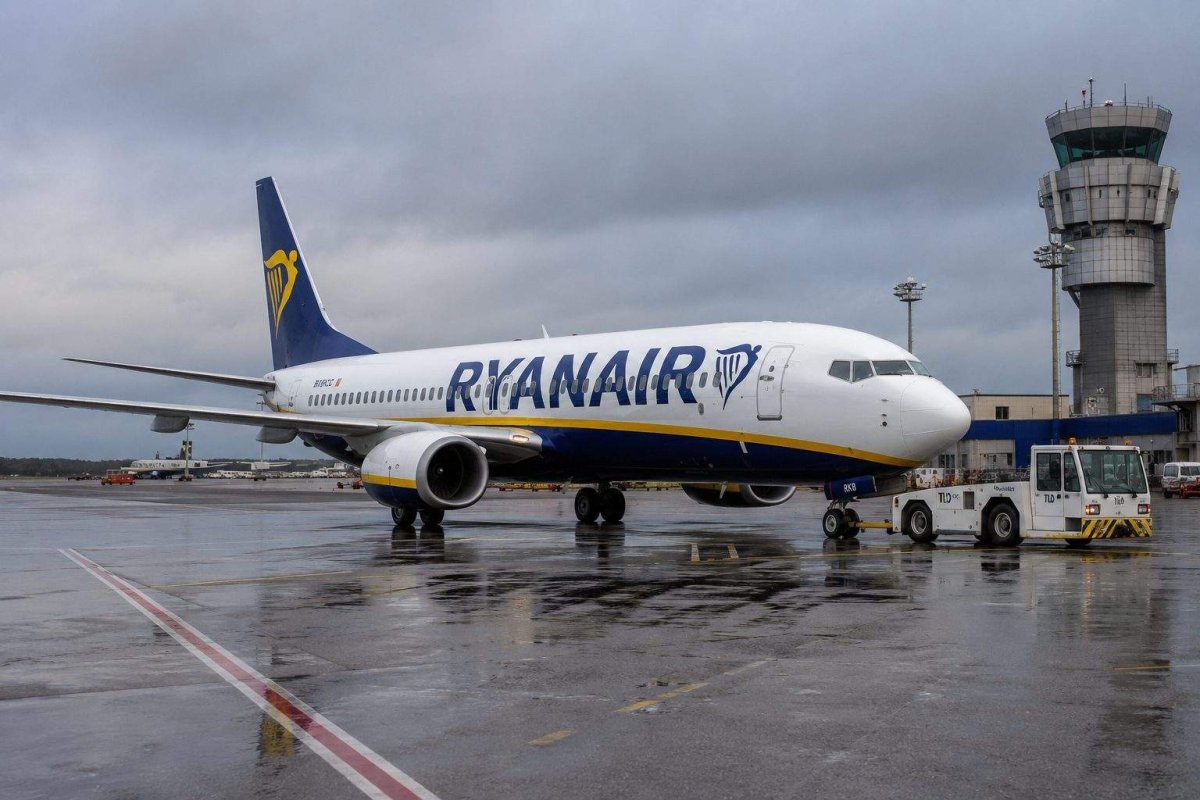
Airline executives convening in Rio de Janeiro this weekend face what may be their most formidable challenge since the pandemic, as the ongoing Iran conflict sends jet fuel prices soaring, forces carriers onto longer flight paths, and tests the limits of fare increases without dampening demand. The International Air Transport Association's annual meeting, scheduled for June 6-8, is expected to downgrade its 2026 profit forecast, which had stood at a record $41 billion before hostilities erupted, according to industry sources and analysts.
The timing is particularly challenging as the Northern Hemisphere summer travel season kicks into high gear, with families rushing to secure last-minute bookings. Carriers have attempted to pass along higher costs through increased fares and fees, hoping to maintain load factors. However, the fuel shock is now rippling beyond energy markets, affecting pricing strategies, capacity planning, and balance sheets for airlines from New York to New Delhi.
JetBlue's Fuel Forecast Sparks Sell-Off
JetBlue Airways Corp. (JBLU) saw its shares tumble 9% in early trading after the carrier revised its second-quarter fuel-cost outlook to a range of $4.26 to $4.36 per gallon, up from its previous estimate of $4.13 to $4.28 per gallon. The New York-based airline also raised its revenue per available seat mile growth forecast to between 9% and 12%. JetBlue indicated that demand remains robust, with close-in bookings improving and gains on routes formerly served by Spirit Airlines, which ceased operations. The carrier expects to recapture at least 40% of higher fuel costs this quarter through improved operational performance, according to a Securities and Exchange Commission filing.
Raymond James analyst Savanthi Syth noted that JetBlue's outlook was based on the May 22 Brent crude forward curve, which has since improved. The sell-off reflects investor concerns that smaller carriers like JetBlue have less capacity to absorb fuel price volatility compared to larger competitors.
Broader Industry Impact
U.S. airlines are navigating similar pressures. Southwest Airlines Co. (LUV) CEO Bob Jordan revealed last week that the company has implemented seven rounds of fare increases since February, with demand showing no signs of weakening. "No drop-off in demand at all," Jordan said, though he cautioned that higher fares are insufficient to fully offset the surge in fuel costs, warning that elevated prices could persist if geopolitical tensions continue.
American Airlines Group Inc. (AAL) expressed confidence that strong demand will offset rising fuel expenses, while United Airlines Holdings Inc. (UAL) faces a distinct challenge: a shortage of aircraft and engines. United CEO Scott Kirby reported that between 800 and 900 planes globally are grounded due to engine issues. "There are not enough engines," Kirby told Reuters.
Global Ripple Effects
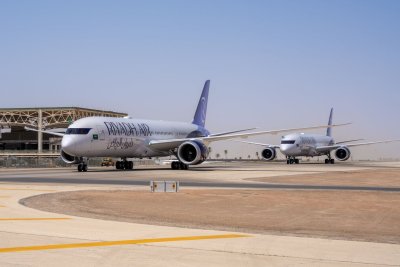
The pressure extends beyond U.S. borders. Air India's outgoing CEO Campbell Wilson stated that higher fuel costs and airspace closures are forcing the carrier to reconsider certain routes, noting that "it just makes some routes uneconomic." European airlines may see a boost in long-haul bookings as Gulf hubs face disruptions, but they must contend with elevated fuel bills, Russian airspace bans, air traffic control constraints, and mandates for sustainable aviation fuel.
IATA's fuel chief Daniel Chereau said Wednesday that airlines have been significantly impacted by jet fuel price volatility, and not all carriers can hedge or lock in prices in advance. Speaking at an S&P Global Energy conference, Chereau noted that carriers with stronger hedging programs have "a bit of a cushion," but higher crack spreads—refinery margins for jet fuel production—have "not been helpful" for the sector.
Market Data and Outlook
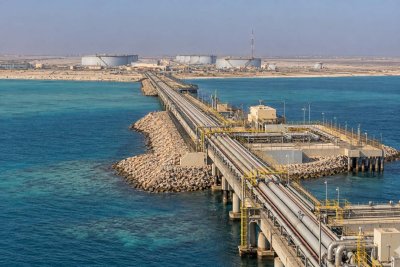
Jet fuel crack spreads in northwest Europe surged past $121 per barrel in March, a record, up from approximately $30 before the Iran war began in late February, according to LSEG data. Most of the world's jet fuel originates from the Middle East, but exports and production have declined as the Strait of Hormuz remains effectively closed and energy infrastructure sustains damage.
While jet fuel prices have eased from their peaks, they remain elevated. The latest IATA fuel monitor shows a global average jet fuel price drop of 11.4% last week, now at $141.64 per barrel. The Argus U.S. Jet Fuel Index stood at $3.51 per gallon on June 3, averaging prices from Chicago, Houston, Los Angeles, and New York. South Korean jet fuel exports recovered in May to pre-war levels, providing some relief to Asian supply and trimming spot premiums from March highs.
However, significant risks remain if the conflict persists and fuel shortages worsen. Airlines may be forced to cut more flights, raise fares further, and eliminate weaker routes. Chereau warned that some demand is already being affected as carriers cancel flights, not solely due to passenger reluctance. If the war continues, weakening passenger demand could become the industry's primary concern.