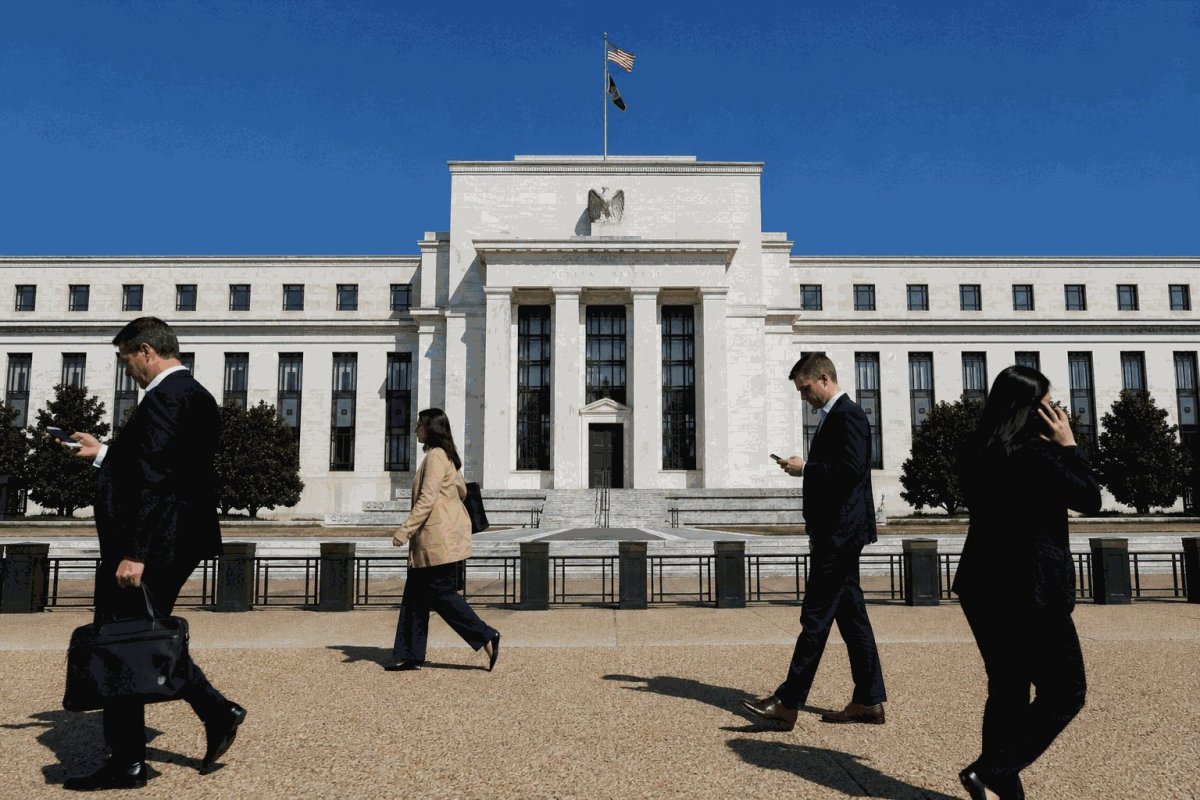
Global investors are bracing for a pivotal week in US markets, with the spotlight firmly on Tuesday's unusually dense data calendar. The release of import prices, housing starts, and industrial production within a 45-minute window will provide the latest test of whether the Federal Reserve can afford to hold interest rates steady in September.
Tuesday's Data Cluster
At 08:30 EDT, the Commerce Department will publish import and export price indices alongside housing starts data, followed by industrial production figures at 09:15. The proximity of these releases heightens their collective impact, as traders will parse them for signs of synchronized weakness that could solidify the case for a pause.
Recent indicators have painted a mixed picture. July payrolls contracted by 23,000, the first decline in five months, while retail sales fell 0.6%—the steepest drop in 14 months. Core sales, a key input for GDP models, slipped 0.4%. Inflation, however, remained subdued, with headline CPI up just 0.1% month-over-month and core CPI holding at 0.2%.
Market Expectations and Positioning
Following Friday's retail sales miss, futures markets now assign a 69.4% probability to the Fed holding rates unchanged in September, with a 30.6% chance of a hike. The ten-year Treasury yield sits at 4.688%, leaving bonds vulnerable to any upside surprise in the data.
Import price data will be particularly telling, given the recent surge in crude oil prices. July producer prices were flat, but much of that data was collected before the late-month oil spike. A sharp increase in import costs could reignite inflation concerns, while weak housing and production figures would reinforce the disinflation narrative.
Fed Minutes and the Reaction Function
Wednesday's release of the Federal Open Market Committee minutes from the July 28-29 meeting offers a window into the committee's internal deliberations. However, investors are cautioned that the minutes predate the latest CPI, PPI, and retail sales reports, making them a backward-looking document.
Instead, analysts recommend focusing on the committee's reaction function—how members weigh growth versus inflation risks—rather than treating the minutes as a current forecast. The degree of dissent among members could signal the trajectory for future policy decisions.
Scenarios and Market Implications
Cross-confirmation across Tuesday's data will be key. A combination of declining import prices, cooling housing starts, and subdued industrial production would point to easing price pressures alongside moderating growth, bolstering the case for a Fed pause and potentially dragging yields lower.
Conversely, hot import prices or robust production could force a reassessment, pressuring rate-sensitive equities and supporting the dollar. A mixed outcome would leave the market parsing Wednesday's minutes for clues, potentially amplifying volatility.
Analyst Perspectives
Sal Guatieri, senior economist at BMO Capital Markets, notes that weaker spending and moderate inflation support a patient Fed, recommending investors monitor housing and production for further signals. Noel Dixon, macro strategist at State Street, sees CPI and PPI as reinforcing a September hold, but flags elevated import prices as a primary concern.
George Brown, senior economist at Schroders, cautions against relying on single-indicator strategies, given the contrast between weak jobs data and persistent core inflation. John Sidawi, fixed-income portfolio manager at Federated Hermes, advises maintaining hedges against significant yield or premium shifts, citing muted volatility as a potential mask for geopolitical risks.
Risks and Outlook
Oil price movements or geopolitical developments could overshadow the data calendar in the days ahead. With summer trading volumes thin, even modest forecast misses could trigger outsized market reactions. Investors are advised to approach the week with flexibility, as the cross-currents of growth, inflation, and policy uncertainty are set to dominate sentiment.