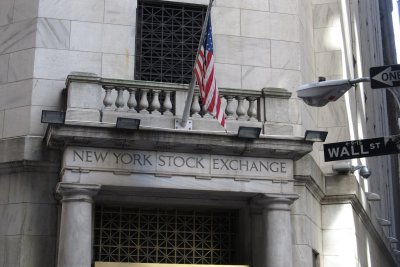
Ford Motor Co. (NYSE: F) saw its stock edge down 0.5% on Friday, closing at $13.88, as investors weighed the company's progress on quality improvements against persistent market challenges. The decline erased roughly $300 million in market capitalization, reflecting a cautious tone despite upbeat remarks from Chief Executive Jim Farley.
During an interview, Farley highlighted that the automaker's efforts to reduce warranty and recall expenses are now yielding substantial financial benefits. He described the savings as a cost tailwind valued at "hundreds and hundreds of millions" of dollars, signaling that the company's quality initiatives are beginning to pay off.
Cost Savings Target
Ford has set an ambitious goal of achieving $1 billion in warranty and material-cost savings during 2026. This figure represents approximately 9.5% of the midpoint of the company's adjusted EBIT guidance, which stands at $10.5 billion. The savings are seen as critical to improving profitability and offsetting other pressures on the business.
The company's second-quarter results showed some operational strength. Adjusted EBIT rose 17% year-over-year to $2.5 billion, on revenue of $48.3 billion, translating to a 5.2% adjusted EBIT margin. Ford also reported $2.1 billion in adjusted free cash flow during the quarter.
Quality Improvements and Industry Recognition
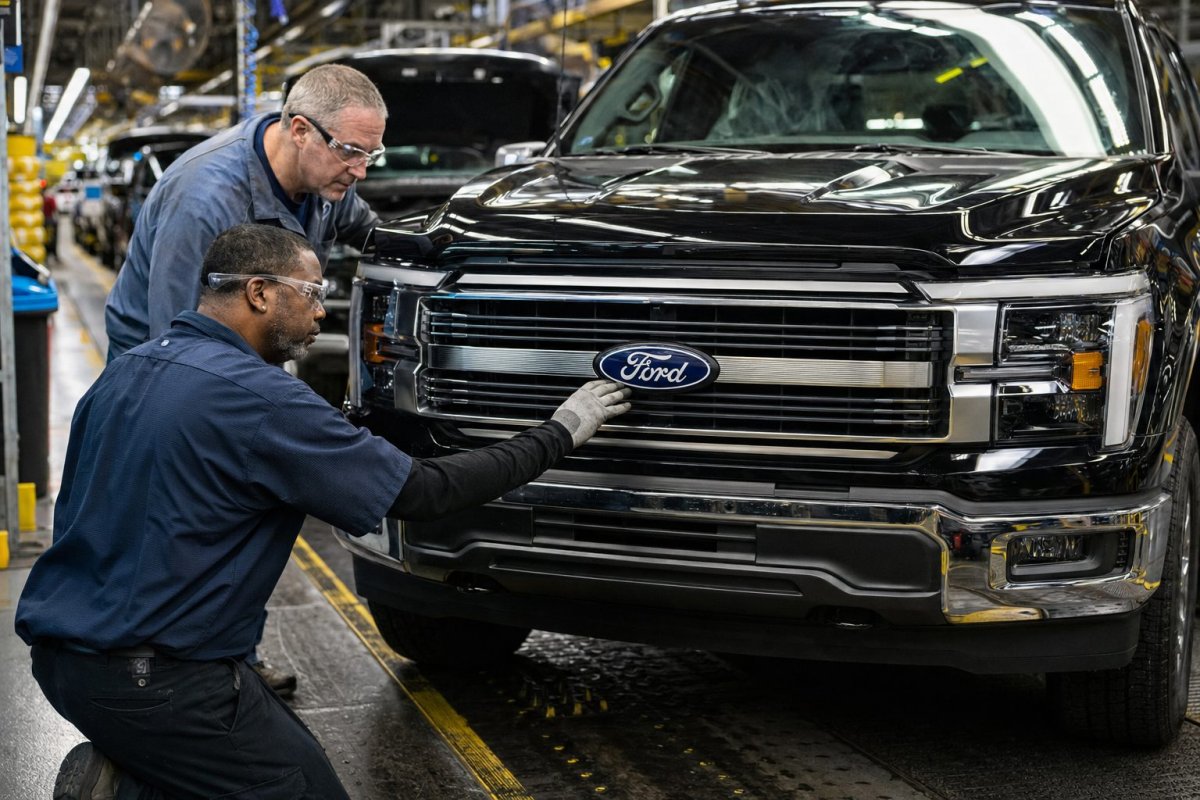
Ford's quality push has gained external validation. The company secured the top spot among mainstream brands in J.D. Power's 2026 initial-quality study, reporting 41 fewer problems per 100 vehicles compared to the prior year. This improvement reflects Ford's increased focus on design reviews, plant-floor anomaly detection, and software testing.
To drive these gains, Ford brought in around 300 experienced engineers to participate in weekly design reviews. The company has also stepped up its efforts in detecting manufacturing anomalies and enhancing software quality, areas that have historically contributed to warranty claims and recalls.
Segment Performance and Challenges
Segment results highlight where the savings might be directed. Ford Blue reported quarterly EBIT of $1.1 billion, while Ford Pro posted $1.7 billion. In contrast, the Model e electric vehicle unit recorded a loss of $919 million, underscoring the ongoing challenges in Ford's EV strategy.
Investors remain cautious about the durability of these improvements. Initial quality metrics only reflect early ownership experiences, not long-term reliability. Additionally, legacy recalls could still generate charges, and external factors such as tariffs, supplier disruptions, and Model e losses may offset some of the gains from quality enhancements.
Market Reaction and Context
On Friday, Ford's shares showed little change, diverging from some rivals. General Motors (NYSE: GM) advanced 0.09%, while Stellantis (NYSE: STLA) climbed 2.56%. Ford's trading volume reached 40.1 million shares, indicating active investor interest.
The company's past warranty spending provides context for the significance of the current savings target. In 2023, Ford allocated $4.8 billion to warranty repairs, a figure that amounts to nearly half of the midpoint of its 2026 adjusted EBIT guidance. Reducing these costs is central to improving margins.
Looking ahead, the key test for Ford will be whether it can translate lower claim rates into sustained margin expansion while maintaining its product launch cadence and demand for its trucks. The company's quality initiative is a positive step, but investors will be watching for concrete evidence of financial improvement in the coming quarters.