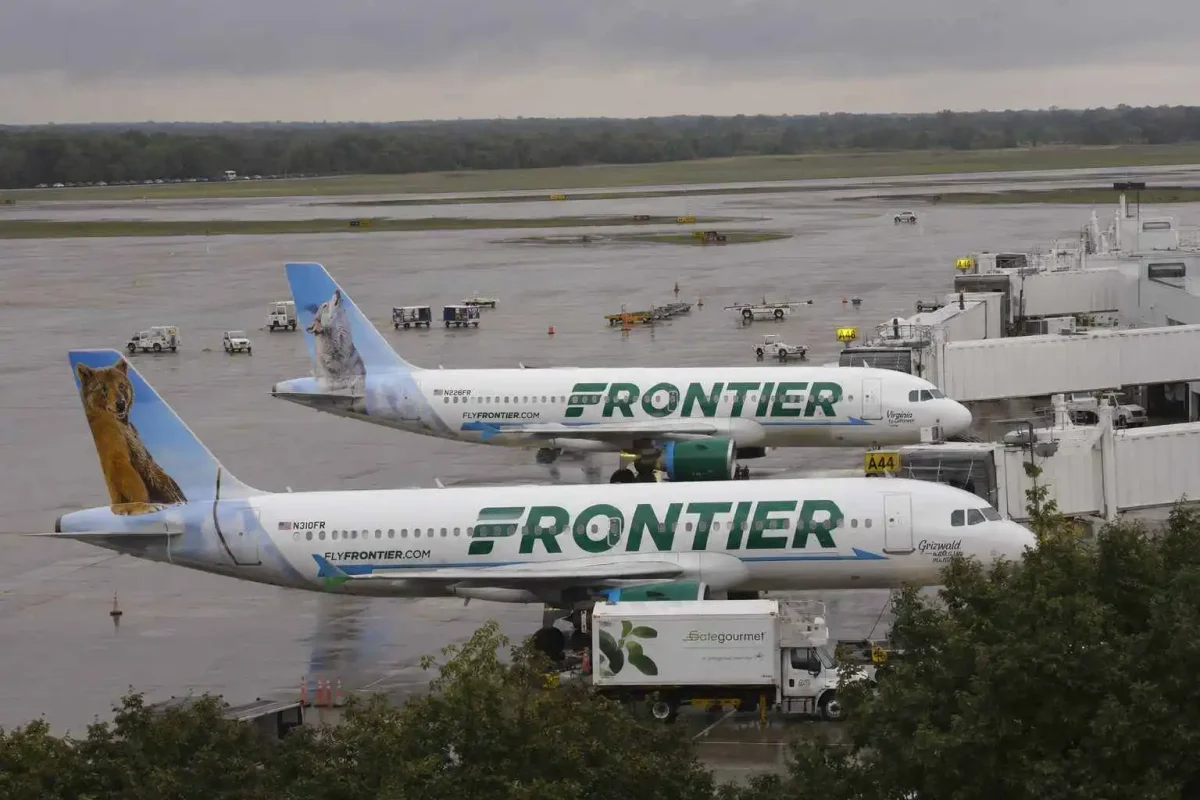
Frontier Group Holdings (NASDAQ:ULCC) is set to discontinue its sole service to Knoxville, Tennessee, effective August 17, as the ultra-low-cost carrier continues to pare back its route network ahead of its third-quarter earnings report scheduled for Wednesday.
The decision, described by the airline as a planned seasonal pause, represents the latest in a series of network adjustments that have drawn attention from industry analysts and investors. According to AeroRoutes, Frontier has 26 scheduled route changes in total, with 23 of those set to take effect after June 30. This timing means the reductions will not impact the second-quarter results that Frontier will announce this week.
Shares of Frontier closed Friday at $5.81, a gain of 5.6% on the day but a decline of 6.7% over the trailing seven days. The weekly drop suggests that broader sector concerns are weighing on the stock, overshadowing the specific Knoxville news. The company's earnings report, due before Wednesday's market open, will be followed by an analyst call at 11:00 a.m. EDT.
Network Overhaul Details
AeroRoutes has identified six market exits and 26 route discontinuations or pauses as part of Frontier's restructuring. These changes represent less than 6% of the carrier's scheduled routes for 2025, a figure that does not include capacity adjustments. The company's fleet is also being streamlined: by year-end, Frontier expects to operate 171 aircraft, a reduction of 12 from the fleet size on March 31. Additionally, the carrier plans to dispose of 11 incoming Airbus A321neo aircraft upon delivery.
Frontier's own financial guidance places Wall Street's consensus loss estimate of $0.47 per share on the optimistic side. The company has forecast an adjusted net loss of $0.45 to $0.60 per share for the second quarter, with fuel costs a key variable. The carrier estimated fuel at $4.25 per gallon in May, roughly 48% higher than the average price in the first quarter. This leaves little margin for error if fuel or other operating expenses increase.
Financial Context and Market Implications
Frontier posted a $68 million adjusted loss in the first quarter, despite a 17% increase in adjusted revenue to $1.065 billion, underscoring that higher fares alone are not sufficient to offset cost pressures. The company projects a 6% to 8% increase in second-quarter capacity and anticipates revenue per available seat mile (RASM) growth of over 20%.
In May, CEO Jimmy Dempsey stated that increased revenue and liquidity validates Frontier's strategy. That assertion faces a critical test on Wednesday. The company ended the first quarter with $974 million in total cash and equivalents, and has guided for $900 million to $950 million in the second quarter.
Industry Headwinds
Competitor results have raised the bar for Frontier. On Thursday, American Airlines Group (NASDAQ:AAL) lowered its full-year forecast, and Southwest Airlines (NYSE:LUV) reduced its profit minimum on Wednesday. Both cited fuel costs as the primary reason for their revised outlooks, echoing the challenges Frontier faces.
While trimming less-trafficked routes could improve aircraft utilization, it may also limit growth prospects and network scope. Savings could be offset by fuel and lease expenses, as well as weak demand for leisure travel. McGhee Tyson Airport in Knoxville continues to see strong traffic, processing around 3.6 million passengers in 2025, and Southwest began operations there in March. Frontier's exit appears tied to specific route performance rather than a broader decline in airport demand.
Outlook
Investors and analysts will be watching Wednesday's earnings release for updates on capacity, unit revenue, and liquidity in the third quarter. The key metrics to watch are whether Frontier can generate higher revenue per seat with fewer flights and manage cash burn at a slower rate. With fuel costs elevated and competitors sounding cautious, the earnings report will provide a critical read on the carrier's ability to navigate a challenging operating environment.