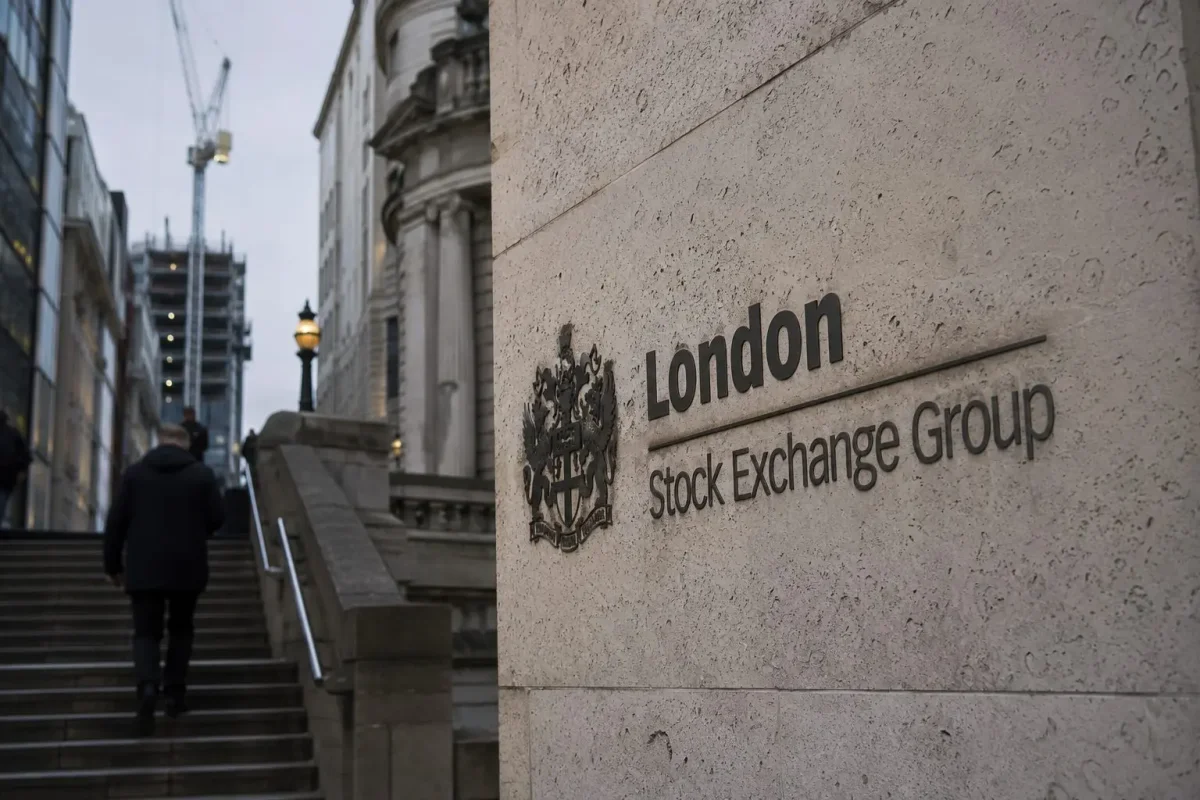
The FTSE 100 fell 0.97% at the open on Thursday, snapping an eight-session winning streak as a sharp rally in oil prices on renewed U.S.-Iran tensions rattled investors. The blue-chip index dropped 102.06 points to 10,402.95, after closing at 10,505.01 on Wednesday. The FTSE 250 also slipped 0.29% to 23,316.90.
Brent crude surged 3.6% to $97.71 a barrel after reports of a new U.S. strike on Iran and missile attacks in Kuwait dampened hopes for a deal to allow safe passage through the Strait of Hormuz. The move reignited inflation and interest rate concerns, sending a wave of risk aversion across global markets.
SSE was among the hardest hit, falling after reporting a 5% drop in adjusted earnings per share to 153.5 pence for the year ending March 31. Adjusted investment and capital spending jumped 23% to a record £3.59 billion. Chief Executive Martin Pibworth said the company is “accelerating electrification” and building infrastructure for UK energy security. SSE stuck with its longer-term targets, with adjusted net debt and hybrid capital at £10.10 billion, and raised its full-year dividend by 7% to 68.7 pence. The company maintained adjusted EPS guidance for 2026-27 at 168 pence to 193 pence.
Utilities and miners came under additional pressure from ex-dividend trading, where buyers miss out on the latest declared payout, typically cutting the share price. National Grid and Severn Trent both fell, along with Kingfisher and Associated British Foods. Gold and silver miners also declined as precious metals slipped, with Fresnillo off 3.45% and Endeavour Mining down 3.5%.
Other notable decliners included BT, AstraZeneca, Auto Trader, and Barratt Redrow, each losing between 1.8% and 2.8%. Auto Trader and Fresnillo led the FTSE 100 decliners, according to MarketScreener data. On the upside, Babcock and Melrose gained as buyers rotated into defense and engineering stocks.
The risk-off mood extended beyond London. Japan’s Nikkei fell 1.4%, South Korea’s KOSPI dropped 3.2%, and the MSCI Asia ex-Japan index lost 2.1%. Rising oil kept bond yields moving higher as investors demanded more compensation for holding government debt.
Madison Cartwright, senior geo-economics analyst at CBA, told clients the odds of a ceasefire and Hormuz shipping deal stand at 70%, but warned insurance for ships crossing the strait is now “prohibitively expensive” and Iran might still impose “a toll by another name.” He said markets could see either a new ceasefire or more fighting in the next two weeks.
Investors are now awaiting U.S. personal consumption expenditures data, the Federal Reserve’s preferred inflation gauge. Higher fuel costs could push headline PCE inflation to 3.8%, the highest in three years, raising concerns about global interest rates and stock valuations. If a solid ceasefire and Hormuz deal materialize, oil could fall and bond pressure ease, potentially allowing UK shares to find support. However, if violence spreads or U.S. inflation beats forecasts, markets could reverse sharply, with yields rising and rate-sensitive shares falling.