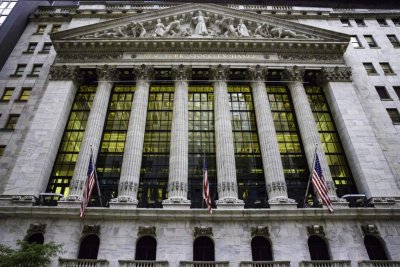
The London stock market begins the new trading week with the FTSE 100 benchmark sitting at a historic peak, having closed Friday's session at an unprecedented 10,910.55 points. This marked a gain of 0.6% for the day and the index's third consecutive record finish. Over the month of February, the FTSE 100 advanced 6.7%, securing its eighth straight monthly gain. The rally was supported by strength in mining stocks and defensive shares, though notable decliners included Barclays, which fell 4.2% on concerns linked to the collapsed lender Market Financial Solutions, and International Airlines Group, which dropped 7.5% after withdrawing its profit forecast.
Geopolitical Shockwaves and Oil Market Jitters
The weekend introduced a significant new risk factor for global markets. Reports confirmed that coordinated U.S. and Israeli military strikes in Iran resulted in the death of Supreme Leader Ali Khamenei. In immediate response, several major oil companies and trading houses temporarily halted shipments through the critical Strait of Hormuz. Analysts at Barclays warned that Brent crude prices could spike toward $100 per barrel when markets reopen, contingent on the severity of any sustained supply disruption. Brent had already climbed to $73 a barrel on Friday, its highest level since July.
This geopolitical crisis coincides with a scheduled meeting of OPEC+ members. Sources indicated the group could consider an output increase of 411,000 barrels per day for April, exceeding prior plans. For the FTSE 100, which has heavily relied on its commodity constituents for outperformance, a prolonged oil price shock presents a double-edged sword. While it would benefit heavyweight energy stocks, it could also reignite inflationary pressures, complicating the timeline for anticipated interest rate cuts from the Bank of England and other major central banks.
Corporate Earnings in the Spotlight
A packed schedule of UK corporate results will command investor attention. Monday sees reports from Bunzl and Smith & Nephew, with a heavier flow later in the week featuring Admiral, Aviva, Reckitt Benckiser, Rentokil, Taylor Wimpey, and ITV. Analysts note that Admiral's forward guidance will be scrutinized more closely than its expected 11% profit growth for 2025. Elsewhere, Rightmove shares gained after the property portal beat annual profit expectations and announced a £90 million share buyback program. In contrast, Hays plummeted 10% following the resignation of its chief executive and an 84% cut to its dividend.
Macro Data to Guide Rate Expectations
The economic calendar is equally consequential. Early in the week, Purchasing Managers' Index (PMI) surveys for manufacturing and services will set the tone for business activity in both the UK and the United States. The UK diary also includes mortgage lending data on Monday, a construction PMI on Thursday, and the Halifax house price index on Friday. However, the week's pivotal event will be Friday's release of the U.S. nonfarm payrolls report for February. This data point frequently resets global interest rate expectations and will be closely watched for signs of labor market cooling or resilience.
Market Vulnerabilities and Potential Reversals
Despite the record highs, analysts caution that the market remains vulnerable to a sharp reversal. A sustained surge in oil prices would deliver a further blow to airlines like IAG and consumer-facing companies, while potentially delaying rate cuts. A weaker-than-expected U.S. jobs report could amplify these concerns by pushing bond yields lower and raising fears about economic growth. Furthermore, the fallout from the Market Financial Solutions collapse will keep a spotlight on London's financial sector, as investors assess exposure risks for other banks and brokers.
In summary, the FTSE 100's record run faces a stern test from intersecting geopolitical, commodity, and macroeconomic forces. The interplay between soaring oil prices, a crucial earnings season, and pivotal economic data will determine whether the index can extend its rally or succumb to a profit-taking pullback in the days ahead.