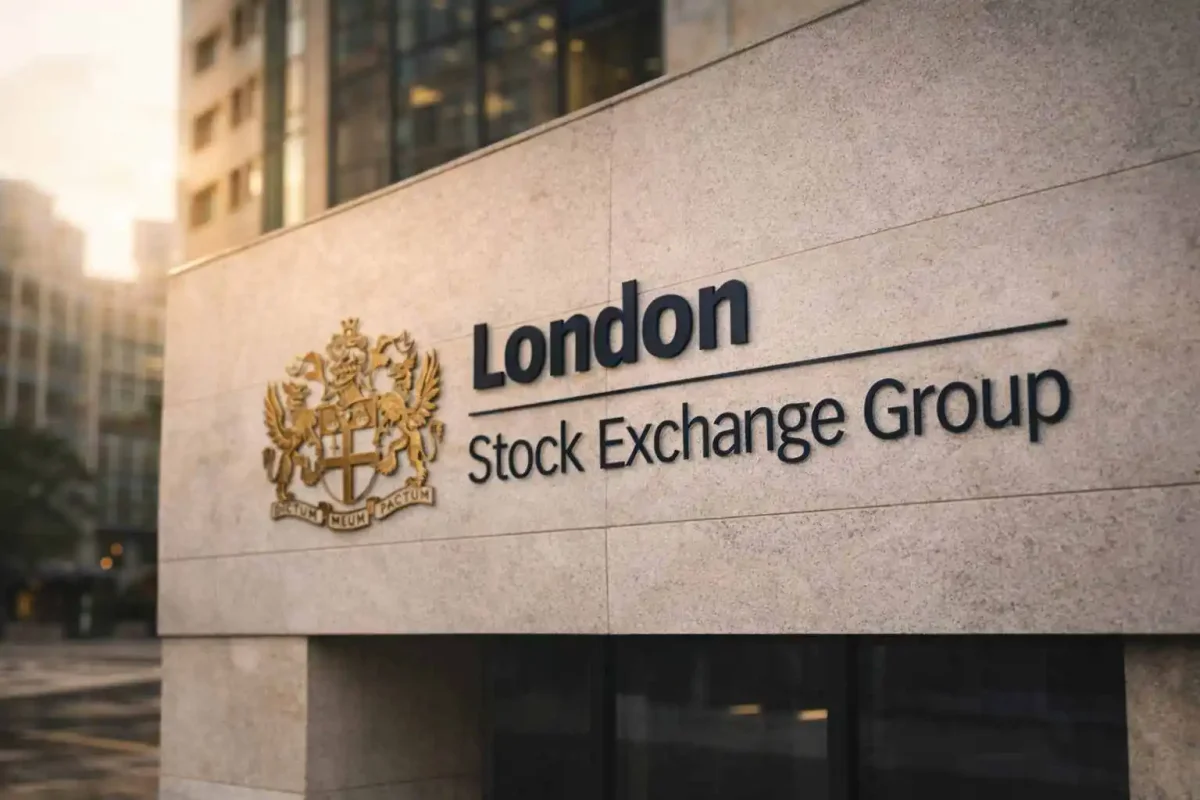
The FTSE 100 index opened the week lower, shedding 0.6% to trade near 10,606 points as of Monday morning. The decline was driven by renewed geopolitical friction between the United States and Iran, which sent crude oil prices sharply higher and dampened risk appetite among investors.
Oil Price Spike Drives Sector Rotation
Brent crude futures, the international benchmark, surged by $5.51 to reach $95.89 per barrel. This sharp increase revived concerns over energy-driven inflation and its impact on economic growth. The immediate catalyst was a weekend escalation, including a reported seizure of an Iranian cargo ship by Washington and Tehran's rejection of further talks before a ceasefire deadline.
The FTSE 100's significant weighting toward energy companies provided a partial buffer against the broader market sell-off. The European energy sector climbed 1.9% on the session. This dynamic highlights how the index can be supported by its constituent oil and gas giants when crude prices rally, even as higher fuel costs threaten wider economic stability.
Travel and Banking Sectors Under Pressure
Conversely, sectors sensitive to consumer spending and borrowing costs faced pronounced selling. Travel and leisure stocks dropped 2%, while banking shares fell 1.8%. Analysts attributed the weakness to renewed worries over persistent inflation potentially delaying interest rate cuts, which would keep credit conditions tighter for longer.
The yield on the UK 10-year government bond rose approximately 4 basis points, reflecting these heightened inflation expectations. The market's focus has swiftly returned to the strategic Strait of Hormuz, a critical chokepoint that facilitates about one-fifth of global oil shipments. Any prolonged disruption there could sustain elevated oil prices, further pressuring consumers and rate-sensitive equities.
Volatile Backdrop and Economic Context
Monday's losses contrasted with Friday's performance, when the index closed 0.7% higher at 10,667.63. That gain was fueled by temporary optimism after Iran assured the market it would keep the Strait of Hormuz open during a ceasefire, which briefly pushed oil below $90 a barrel.
Charu Chanana, chief investment strategist at Saxo, noted the weekend events have revived a "conflict premium" in oil prices, framing it as part of a broader "growth-and-rates story." Chris Weston, head of research at Pepperstone, characterized the initial market reaction as "orderly rather than indicative of a major volatility shock."
UK Economic Resilience Faces Test
The market moves occur against a complex domestic economic backdrop. Data released last Thursday showed the UK economy grew by 0.5% in February, exceeding forecasts. However, economists warn this momentum is fragile. Fergus Jiminez-England of the National Institute of Economic and Social Research suggested the recent energy shock had "pulled the rug on this momentum," forecasting another year of above-target inflation and a weaker labor market.
These concerns were echoed internationally. Last week, the International Monetary Fund's chief economist, Pierre-Olivier Gourinchas, raised the Fund's 2026 core inflation outlook for the UK to 2.7%, up from a January projection of 2.2%. He also highlighted the nation's continued vulnerability to high gas prices.
Corporate Hedges and Market Implications
Major London-listed energy firms often provide a hedge for the index during oil market turmoil. On April 14, BP indicated "exceptional" first-quarter trading results, while Shell also pointed to robust oil trading performance, according to reports. These strong operational updates typically cushion their share prices—and by extension the FTSE 100—when crude prices advance.
However, this hedge has limits. Bob Savage, head of markets macro strategy at BNY, stated, "The immediate focus was on oil and supply shortages driving inflation." If tensions near the Strait of Hormuz are not resolved before Tuesday's ceasefire deadline, a firmer oil price could maintain pressure on consumer wallets and equity markets. Continental European indices also fell sharply, with France's CAC 40 down 1.3% and Germany's DAX losing 1.5%.