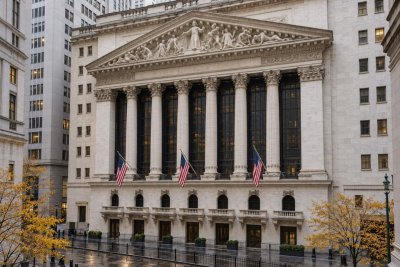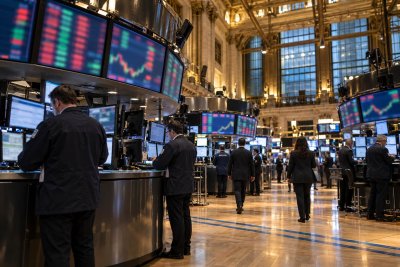
U.S. stock futures edged higher early Thursday, staging a partial recovery following a sharp selloff on Wednesday. Dow Jones Industrial Average futures rose 381 points, or 0.76%, while S&P 500 futures gained 0.75% and Nasdaq 100 futures added 1.10%. The bounce comes as traders assess the impact of higher-than-expected inflation and escalating tensions in the Middle East.
Markets React to Hot CPI Data
Wednesday's selloff was driven by a hotter-than-expected Consumer Price Index (CPI) report for May. Headline CPI rose 0.5% month-over-month and 4.2% year-over-year, matching forecasts but still uncomfortably high. Core CPI, which excludes food and energy, increased 0.2% monthly and 2.9% annually. The energy index surged 3.9% in May, accounting for over 60% of the overall CPI gain, with gasoline prices jumping 7.0% for the month and 40.5% over the past year. The data underscored persistent inflationary pressures, even as core inflation showed some moderation.
Geopolitical Tensions Add to Uncertainty
Adding to market jitters, geopolitical tensions flared after reports that Iran closed the Strait of Hormuz following U.S. strikes. However, U.S. Central Command later confirmed that merchant ships continued to transit the strait. Oil prices initially spiked but then retreated, with Brent crude easing to $93.18 a barrel and WTI crude at $90.28. The volatility in energy markets has kept inflation concerns front and center, as higher oil prices could feed into broader price pressures, limiting the Federal Reserve's ability to ease policy.
Tech Stocks in Correction Territory
The technology sector bore the brunt of Wednesday's decline, with the Philadelphia semiconductor index dropping 3.6%. The S&P 500 tech sector is now 11% below its June 2 record, officially entering correction territory. Nvidia and Broadcom were among the biggest drags on the index. Super Micro Computer plunged 28% after announcing a $7 billion equity and equity-linked financing plan to purchase parts for AI server demand. The sharp pullback in high-growth AI names has raised concerns about the sustainability of the year's rally, which has been heavily dependent on these stocks.
Fed Policy Meeting in Focus
All eyes are now on the Federal Reserve's upcoming policy meeting scheduled for June 16-17. The mixed inflation picture—with headline CPI hot but core CPI softer—has left investors uncertain about the central bank's next move. Some analysts argue that the energy-driven inflation may be transitory, while others fear it could signal a broader trend. Market pricing now reflects a 25-basis-point rate hike by year-end. "Just because the inflation numbers came in consistent with expectations doesn't mean they were good," said Brian Jacobsen, chief economic strategist at Annex Wealth Management.
Outlook and Key Risks
Thursday's futures bounce could prove fragile if geopolitical developments lead to actual disruptions in oil supply. A sustained spike in energy prices could push inflation into other sectors, making it harder for the Fed to look through the shock. Investors are also watching for any signs that the recent selloff in tech stocks could deepen. The key question remains whether the May CPI data represents a temporary energy-related blip or the start of a more persistent inflationary trend that could force the Fed to take a more aggressive stance at next week's meeting.